
Tubular Motor Working Principle
How Does a Tubular Motor Work?
From electrical power to controlled roller tube movement
A tubular motor works by converting electrical energy into controlled rotational motion. Inside the motor, the stator and rotor generate high-speed rotation, the gearbox reduces speed and increases torque, the output shaft drives the roller tube, and the limit system stops the motor at the preset upper and lower positions.
Quick Flow
This page explains the mechanism behind the drive, while the basic definition is covered in What Is a Tubular Motor?
Quick Answer: How Does a Tubular Motor Work?
- Power is supplied by a switch, remote receiver, smart controller or battery system.
- The stator creates a magnetic field.
- The rotor turns inside the stator.
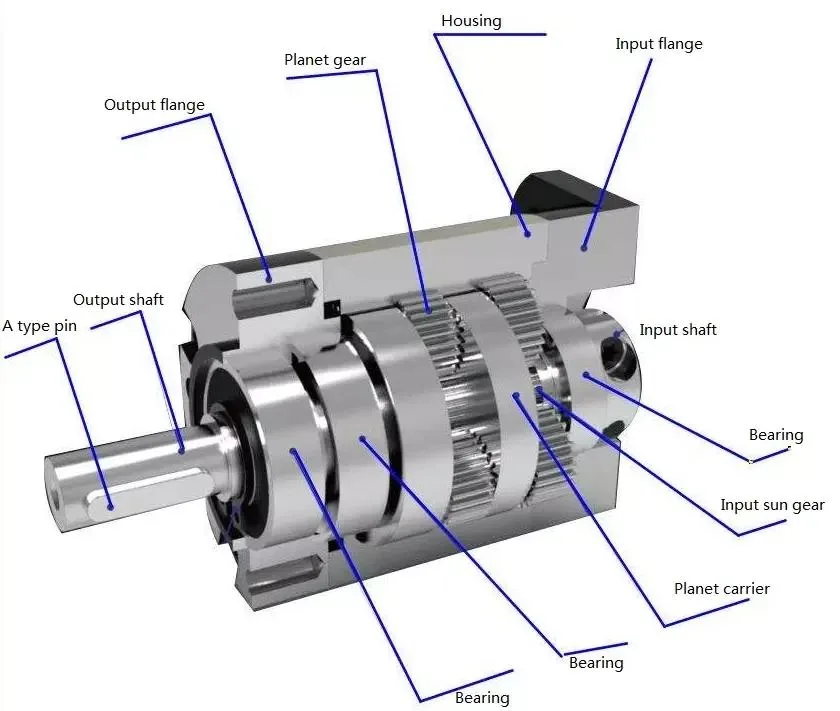
- The gearbox reduces speed and increases torque.
- The output shaft rotates the roller tube.
- The blind, shutter, awning or screen moves with the tube.
- The limit switch stops the motor at preset positions.
- The brake helps hold the load when the motor stops.
Simple Working Flow Diagram
How a Tubular Motor Works Step by Step
Power or control signal is activated
The command can come from a wall switch, remote control, receiver, smart app, timer, or from a battery or solar input in DC models.
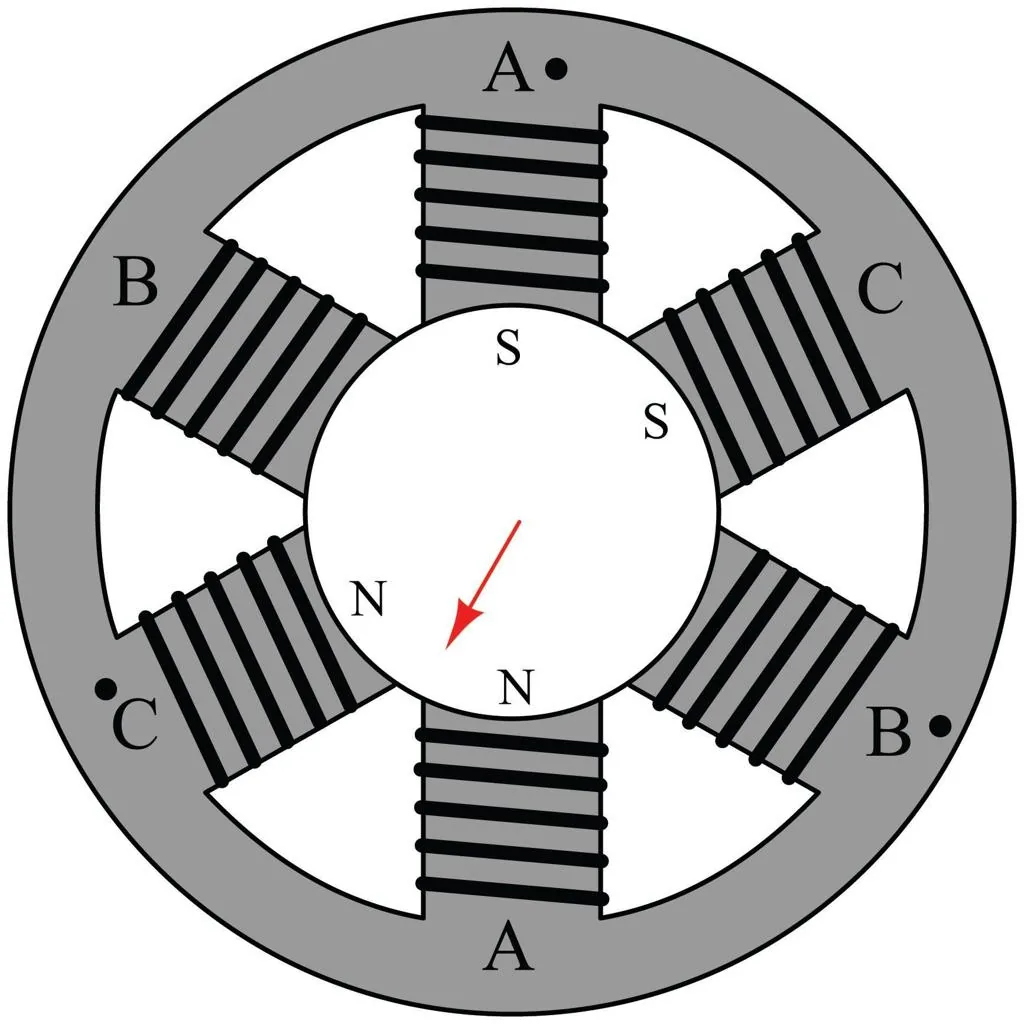
The stator creates a magnetic field
The stator winding is energized and creates the electromagnetic field that starts motor rotation. For more detail, see Rotor and Stator in Tubular Motor.
The rotor starts rotating
The rotor turns inside the stator. At this stage, rotation is still too fast and too low-torque for direct roller tube use.
The gearbox reduces speed and increases torque
The gearbox converts high-speed motor rotation into lower-speed, higher-torque output, making the drive suitable for roller shutters, awnings, zip screens and other loaded systems.
The brake system controls holding
The brake helps stop the motor and hold the load after movement. It is important for shutters, awnings and zip screens, but it should be selected as part of the complete motor system.
The output shaft drives the roller tube
The output shaft connects to the drive wheel and crown. The roller tube rotates, so the fabric, shutter curtain or screen rolls up or down.
The limit system stops the motor
Mechanical or electronic limits define upper and lower positions. Correct limit setting helps prevent over-travel and protects the fabric, curtain, tube and gearbox.
Main Parts Involved in the Working Process
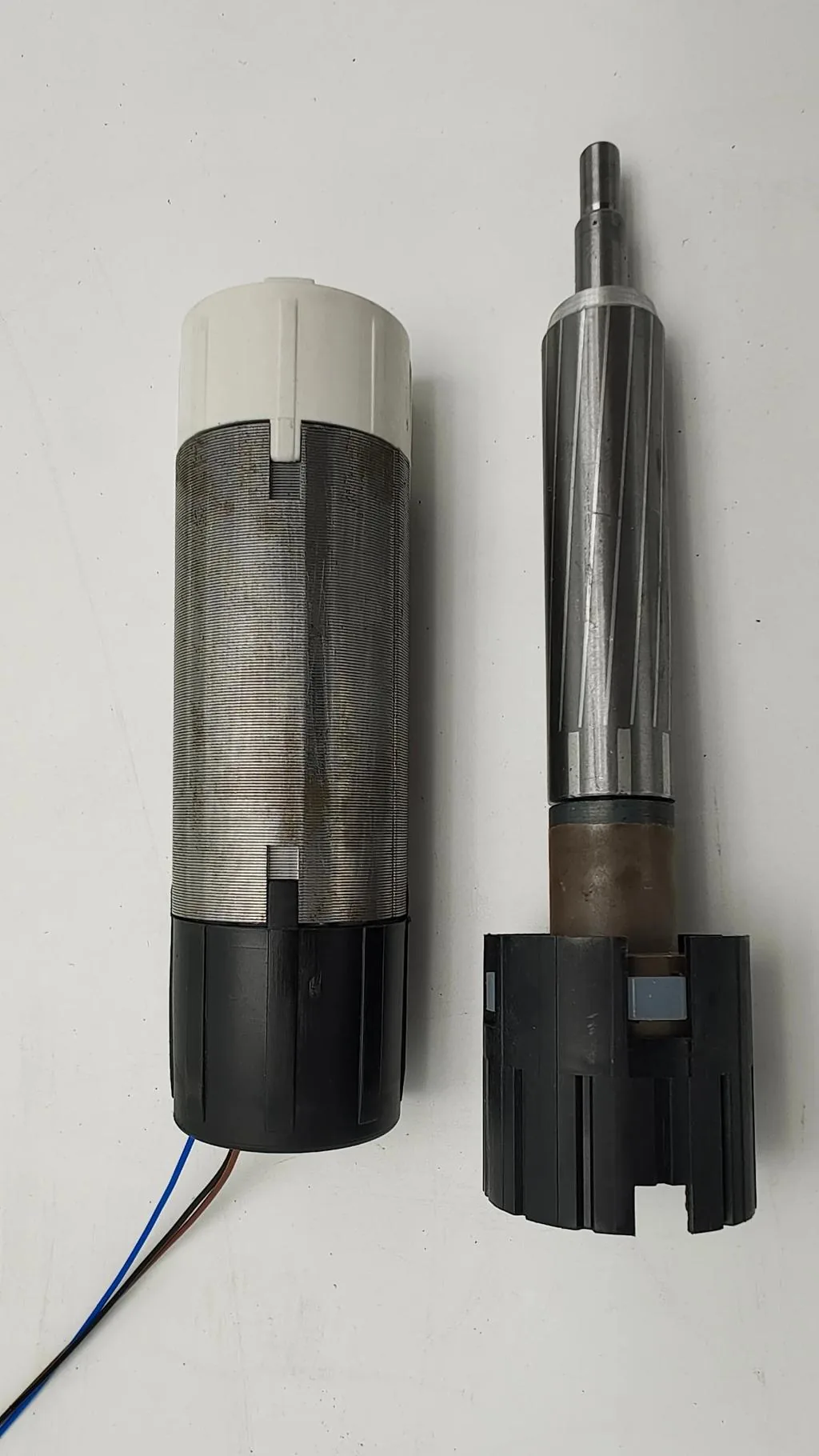
The drive works as one integrated system. A tubular motor cannot be judged only by diameter or torque label; the internal parts and accessories must match the tube, load and control method. For a part overview, read what a tubular motor is and what is inside a tubular motor.
| Component | What It Does | Why It Matters | Buyer Check Point |
|---|---|---|---|
| Stator | Creates the electromagnetic field. | Affects starting stability, heat and efficiency. | Ask how winding consistency and insulation are controlled. |
| Rotor | Rotates inside the stator. | Affects vibration, noise and power transmission. | Check rotor balance and batch consistency. |
| Gearbox | Reduces speed and increases torque. | Determines usable output for the roller tube. | Check gearbox matching, noise and durability inspection. |
| Brake | Helps stop and hold the load. | Important for shutters, awnings and vertical systems. | Check brake matching with torque and application. |
| Limit switch | Defines upper and lower stop positions. | Prevents over-travel during normal operation. | Choose mechanical or electronic limit according to installation needs. |
| Output shaft | Transfers gearbox output to the roller tube. | Connects internal drive to the external system. | Confirm shaft, adapter and tube compatibility. |
| Crown and drive wheel | Fit the motor to the tube and transmit rotation. | Poor matching can cause slipping or noise. | Check tube size and accessory fit. |
| Receiver/control module | Receives switch, RF or smart commands. | Determines control method and compatibility. | Confirm voltage, frequency and control protocol. |
| Power cable or battery pack | Supplies power to the motor. | Affects installation method and project compatibility. | Check AC, DC, battery or solar requirements. |
AC, DC, Battery and Smart Motor Working Differences
| Motor Type | Power Source | Control Method | Typical Application | Working Difference | Selection Note |
|---|---|---|---|---|---|
| AC tubular motor | Mains AC power | Switch, receiver or controller | Shutters, blinds and awnings | Wired power with common mechanical or electronic limit options. | Check voltage, wiring and limit type. |
| DC tubular motor | Low-voltage DC power | Controller or receiver | Low-voltage projects and compact systems | Uses DC power and may need a matching controller. | Check power supply capacity and control compatibility. |
| Battery tubular motor | Rechargeable battery | Remote or receiver | Retrofit roller blinds | Motor operation depends on battery capacity and charging design. | See battery tubular motor options. |
| Solar rechargeable motor | Battery with solar panel support | Remote or smart controller | Window coverings with limited wiring | Charging balance matters for reliable operation. | Confirm window exposure and duty cycle. |
| Built-in receiver motor | AC or DC depending on model | Integrated RF receiver | Remote-controlled shading | Receiver identifies command and activates motor direction. | See built-in receiver motor. |
| Smart home tubular motor | AC, DC or battery depending on system | Smart controller or app | Connected blinds and screens | Control logic is added on top of the same power transmission process. | See smart home motor. |
How Gearbox Ratio Changes Speed and Torque
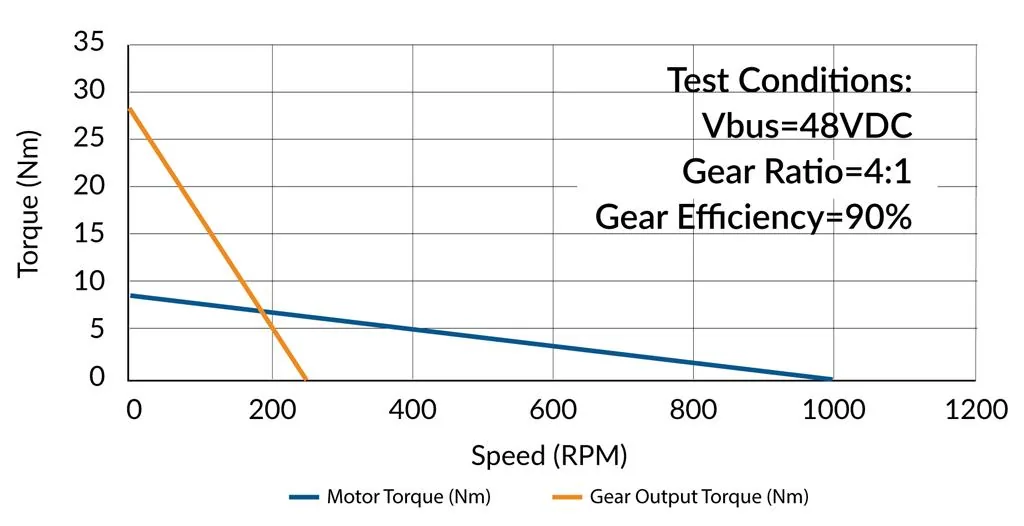
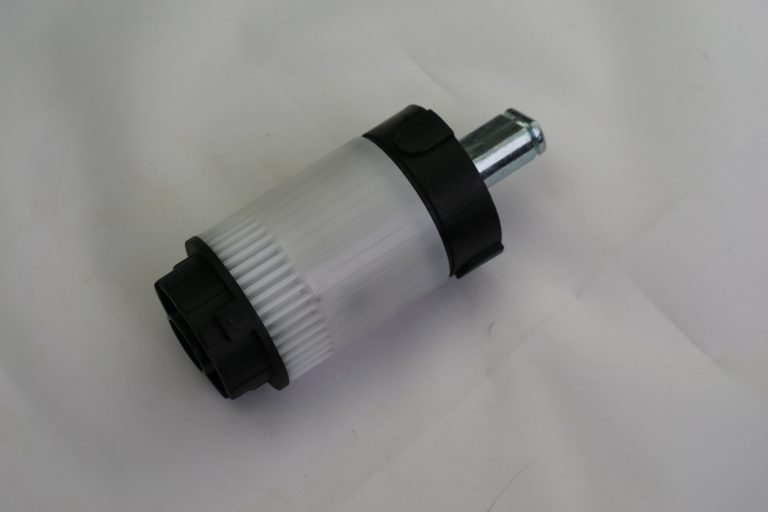
The motor core rotates at high speed, while roller tubes need slow and controlled movement. The gearbox reduces speed and increases usable torque. Higher torque does not simply mean better; it must match tube diameter, load, installation conditions and application.
Example: a motor core may rotate much faster than the final output tube. The gearbox reduces this speed to a practical output speed, such as 12-17 rpm in many shading applications, while increasing torque for lifting or rolling the load. Final values depend on the model and project requirements.
How the Limit Switch Controls Stop Positions
The limit system defines upper and lower positions. Mechanical limits are adjusted during installation, while electronic limits store positions through the control system. Correct limit setting helps protect fabric, shutter curtain, roller tube and gearbox from over-travel.
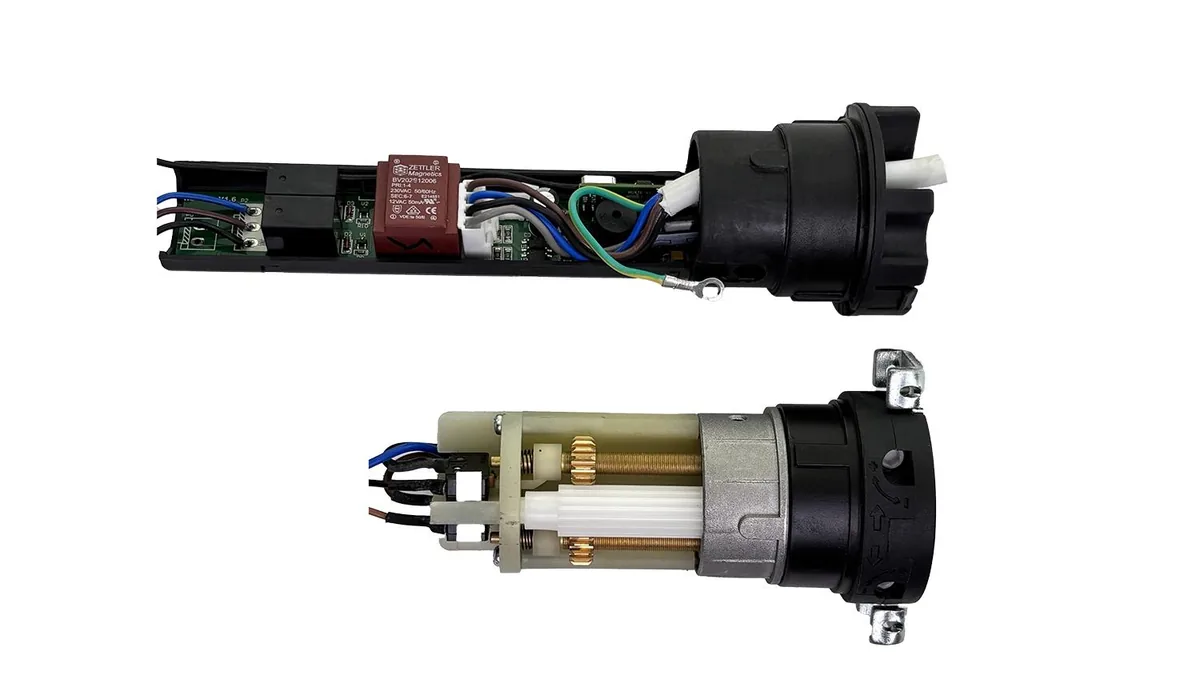
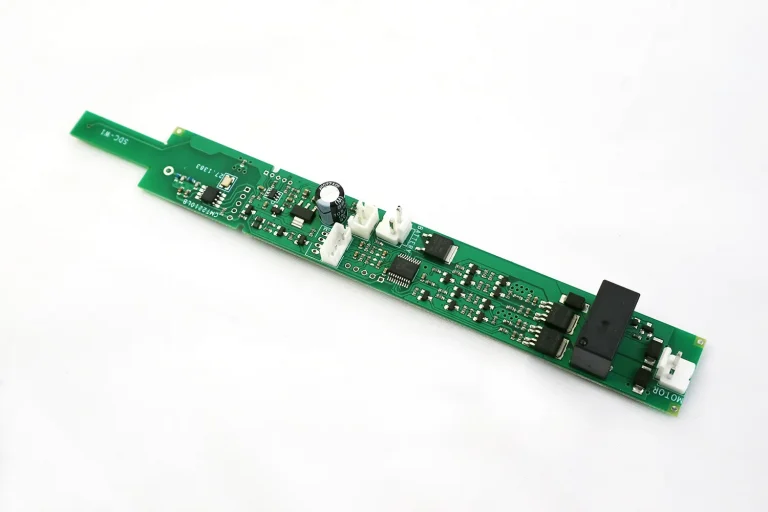
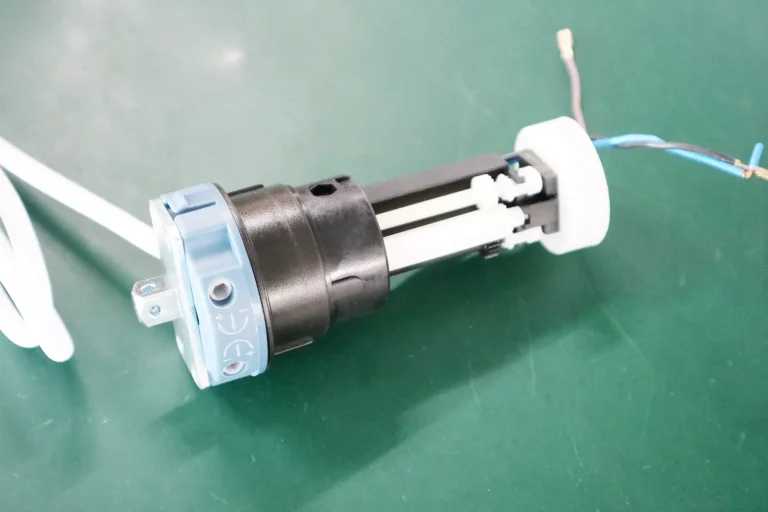
What Happens When You Press the Remote?
Remote sends RF signal
The handheld transmitter sends an open, close or stop command.
Receiver identifies command
The receiver or control board checks the command and selected channel.
Control board activates motor direction
The drive starts clockwise or counterclockwise depending on the command.
Tube moves the curtain or fabric
The output shaft rotates the roller tube through the drive wheel and crown.
Limit system stops the motor
The motor stops at the preset upper or lower position.
Brake holds the position
The brake helps hold the load after movement stops.
Why Correct Motor Selection Affects How It Works
Under-torque
Too little torque can cause incomplete lifting, overload or repeated thermal protection.
Over-sized motor
Too much torque may add unnecessary cost or create speed and control mismatch for the project.
Wrong adapter
A poor tube adapter match can cause slipping, vibration, noise or uneven movement.
Wrong limit type
Mechanical and electronic limits create different installation and user experiences.
Wrong voltage
AC, DC, battery and smart systems must match the project power and control method.
Poor batch match
Samples and mass production should keep similar torque, noise and limit behavior.
Not sure which tubular motor will work for your tube and load?
Walter can review tube size, curtain weight, control method and installation needs before recommending a suitable model.
Common Working Problems and Causes
This table is a working-principle guide, not a full repair manual. For site-specific problems, see trouble shooting or contact Walter for support.
| Symptom | Possible Working Cause | Related Part | Buyer or Installer Check Point |
|---|---|---|---|
| Motor does not start | No power, wrong wiring, controller issue or thermal protection. | Power input, receiver, motor core | Check voltage, wiring, controller and load condition. |
| Motor runs but tube does not move | Adapter slipping or drive wheel mismatch. | Output shaft, crown, drive wheel | Check tube size and accessory fit. |
| Motor stops too early | Limit position set too short or load too high. | Limit system, gearbox, brake | Reset limit and confirm torque selection. |
| Motor does not stop correctly | Limit setting error or electronic memory issue. | Mechanical or electronic limit | Check limit adjustment method and controller settings. |
| Motor is noisy | Rotor imbalance, gearbox noise, adapter mismatch or installation vibration. | Rotor, gearbox, tube adapter | Check complete motor running noise and installation fit. |
| Motor overheats | Overload, wrong torque, frequent operation or poor heat control. | Stator, gearbox, load | Review duty cycle, torque and application. |
| Motor cannot lift the shutter | Torque too low or shutter load too high. | Gearbox, output shaft, brake | Recalculate load and select proper torque. |
| Motor loses remote response | Receiver, remote battery, pairing or interference issue. | Receiver/control module | Check pairing, remote battery and installation environment. |
Working Principle by Application
Roller shutters
High torque, brake holding and accurate limits matter because the curtain can be heavy.
Roller blinds
Quiet operation and smooth movement matter for indoor shading and repeated daily use.
Zip screens
Stable movement and wind-load related application requirements make torque and brake matching important.
Awnings
Torque, heat control and duty cycle affect outdoor operation and long fabric extension.
Projection screens
Smooth, quiet movement and accurate positioning are important for user experience.
OEM projects
The motor, tube, accessory and control method should be selected as one system.
Working Principle Visual Gallery
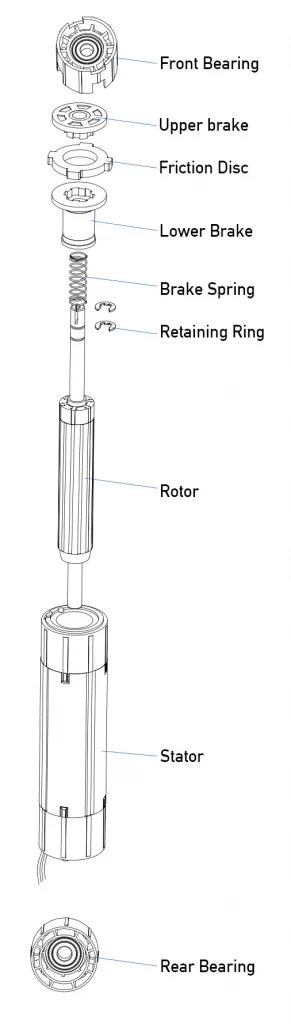
These additional original visuals from the previous page are preserved for the internal structure and gearbox mechanism.
Walter Manufacturing Perspective
Walter focuses on matching the motor core, gearbox, brake system, limit system and output accessories as one complete drive solution. In production, motor performance depends not only on nominal torque, but also on winding consistency, rotor balance, gearbox precision, brake matching, noise inspection, torque testing and aging tests.
Electromagnetic core
Stator winding and rotor assembly influence starting behavior, noise, heat and consistency.
Power transmission
Gearbox assembly, brake matching and adapter fit decide how the motor drives the roller tube.
OEM selection
Tube size, load, voltage, limit type, control method and accessories are reviewed together.
FAQ
How does a tubular motor work?
A tubular motor converts electrical power into controlled rotation. The rotor and stator create rotation, the gearbox reduces speed and increases torque, the output shaft drives the roller tube, and the limit system stops the motor at preset positions.
What makes the roller tube rotate?
The output shaft transfers gearbox output to the drive wheel and roller tube. When the shaft turns, the tube rotates and moves the fabric, shutter curtain, awning or screen.
Why does a tubular motor need a gearbox?
The motor core rotates too fast for direct roller tube movement. The gearbox reduces speed and increases usable torque for controlled lifting or rolling.
What stops a tubular motor at the top and bottom positions?
A mechanical or electronic limit system defines the upper and lower stop positions, helping prevent over-travel during normal operation.
What is the role of the brake in a tubular motor?
The brake helps stop the drive and hold the load after the motor stops. It is especially important for roller shutters, awnings and zip screens.
Does an AC tubular motor work differently from a DC tubular motor?
Both rely on electromagnetic rotation and torque transmission, but voltage, control method, wiring, receiver design and battery or solar charging options can differ.
How does a remote-controlled tubular motor work?
The remote sends a radio signal to the receiver. The receiver activates the motor direction, the tube moves, the limit system stops the motor, and the brake holds the position.
Why does torque matter in tubular motor operation?
Torque determines whether the motor can move the selected tube and load. Too little torque can cause incomplete lifting or overload, while too much torque may add cost or mismatch the application.
What happens if the wrong tubular motor is selected?
The system may be noisy, stop early, overheat, slip at the adapter, fail to lift the load or create installation and control problems.
Can a tubular motor work with smart home systems?
Yes. Smart tubular motors or receiver-based systems can connect to compatible smart controllers, but voltage, control protocol and project requirements must match.
How does Walter help buyers choose the right working solution?
Walter reviews the tube, load, application, voltage, control method, limit type, accessory match and OEM requirements before recommending a suitable tubular motor solution.

