
.wt-rs-page{–blue:#005baa;–red:#d42027;–ink:#102033;–text:#334155;–muted:#64748b;–line:#dbe3ec;–soft:#f3f7fb;–soft2:#eef5fb;color:var(–text);font-family:Inter,Arial,sans-serif;font-size:16px;line-height:1.68}.wt-rs-page *{box-sizing:border-box}.wt-rs-page a{color:var(–blue);text-decoration:none}.wt-rs-page a:hover{text-decoration:underline}.wt-rs-wrap{width:min(1160px,calc(100% – 40px));margin:0 auto}.wt-rs-page h1,.wt-rs-page h2,.wt-rs-page h3{color:var(–ink);letter-spacing:0}.wt-rs-page h1{margin:0 0 14px;font-size:clamp(35px,4.4vw,56px);line-height:1.08}.wt-rs-page h2{margin:0 0 14px;font-size:clamp(25px,3vw,36px);line-height:1.18}.wt-rs-page h3{margin:0 0 8px;font-size:20px;line-height:1.28}.wt-rs-nav{border-bottom:1px solid var(–line);background:#fff}.wt-rs-nav__inner{display:flex;align-items:center;justify-content:space-between;gap:24px;min-height:72px}.wt-rs-logo img{display:block;width:auto;height:42px}.wt-rs-menu{display:flex;flex-wrap:wrap;justify-content:flex-end;gap:4px}.wt-rs-menu a{padding:10px 12px;color:#30445c;font-size:14px;font-weight:700}.wt-rs-breadcrumb{padding:20px 0 8px;color:var(–muted);font-size:14px}.wt-rs-hero{display:grid;grid-template-columns:minmax(0,1.02fr) minmax(320px,.98fr);gap:38px;align-items:center;padding:42px 0 46px}.wt-rs-kicker{margin:0 0 10px;color:var(–red);font-size:12px;font-weight:800;text-transform:uppercase}.wt-rs-subtitle{margin:0 0 18px;color:#475569;font-size:20px;font-weight:700}.wt-rs-lede{margin:0 0 22px;color:#344356;font-size:18px}.wt-rs-actions{display:flex;flex-wrap:wrap;gap:12px}.wt-rs-btn{display:inline-flex;align-items:center;justify-content:center;min-height:44px;border:1px solid var(–blue);border-radius:6px;padding:11px 18px;font-weight:800}.wt-rs-btn–primary{background:var(–blue);color:#fff!important}.wt-rs-btn–secondary{background:#fff;color:var(–blue)!important}.wt-rs-quick{border:1px solid #bed4ea;border-radius:8px;background:var(–soft2);padding:24px}.wt-rs-quick ul{margin:12px 0 0;padding-left:20px}.wt-rs-section{padding:38px 0;border-top:1px solid var(–line)}.wt-rs-grid{display:grid;grid-template-columns:repeat(2,minmax(0,1fr));gap:18px}.wt-rs-grid–3{grid-template-columns:repeat(3,minmax(0,1fr))}.wt-rs-card{border:1px solid var(–line);border-radius:8px;background:#fff;padding:20px}.wt-rs-card p{margin:0;color:var(–muted)}.wt-rs-note{border-left:4px solid var(–blue);background:var(–soft);padding:16px 18px}.wt-rs-table-wrap{overflow:auto;border:1px solid var(–line);border-radius:8px;background:#fff;margin-top:14px}.wt-rs-table{width:100%;min-width:760px;border-collapse:collapse}.wt-rs-table th,.wt-rs-table td{border-bottom:1px solid var(–line);padding:13px 14px;text-align:left;vertical-align:top}.wt-rs-table th{background:#f1f5f9;color:var(–ink)}.wt-rs-figure{margin:0;border:1px solid var(–line);border-radius:8px;background:#fff;overflow:hidden}.wt-rs-figure img{display:block;width:100%;height:auto}.wt-rs-figure figcaption{padding:10px 14px;color:var(–muted);font-size:13px}.wt-rs-figure–contain{padding:16px}.wt-rs-figure–contain img{width:auto;max-width:100%;max-height:620px;margin:0 auto}.wt-rs-steps{counter-reset:steps;display:grid;gap:10px;margin:18px 0}.wt-rs-step{position:relative;border:1px solid var(–line);border-radius:8px;background:#fff;padding:14px 16px 14px 48px}.wt-rs-step:before{counter-increment:steps;content:counter(steps);position:absolute;left:14px;top:14px;width:24px;height:24px;border-radius:50%;background:var(–blue);color:#fff;display:flex;align-items:center;justify-content:center;font-weight:800}.wt-rs-list{margin:0;padding-left:20px}.wt-rs-list li+li{margin-top:8px}.wt-rs-cta{display:flex;align-items:center;justify-content:space-between;gap:22px;border:1px solid #b9cce3;border-radius:8px;background:var(–soft2);padding:26px}.wt-rs-faq details{border:1px solid var(–line);border-radius:8px;background:#fff;padding:16px 18px}.wt-rs-faq details+details{margin-top:10px}.wt-rs-faq summary{cursor:pointer;color:var(–ink);font-weight:800}.wt-rs-mini-links{display:flex;flex-wrap:wrap;gap:10px;margin-top:16px}.wt-rs-mini-links a{border:1px solid var(–line);border-radius:6px;padding:8px 10px;background:#fff;font-weight:700;font-size:14px}@media (max-width:900px){.wt-rs-nav__inner{align-items:flex-start;flex-direction:column;padding:12px 0}.wt-rs-menu{justify-content:flex-start}.wt-rs-hero,.wt-rs-grid,.wt-rs-grid–3{grid-template-columns:1fr}.wt-rs-cta{align-items:flex-start;flex-direction:column}.wt-rs-page h1{font-size:34px}}
Electromagnetic core quality
Rotor and Stator in Tubular Motor
How the electromagnetic core affects torque, noise, heat, efficiency and service life
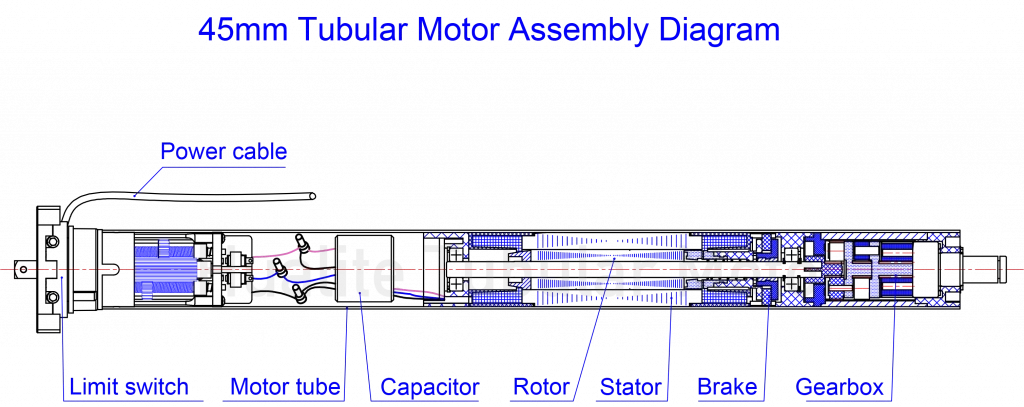
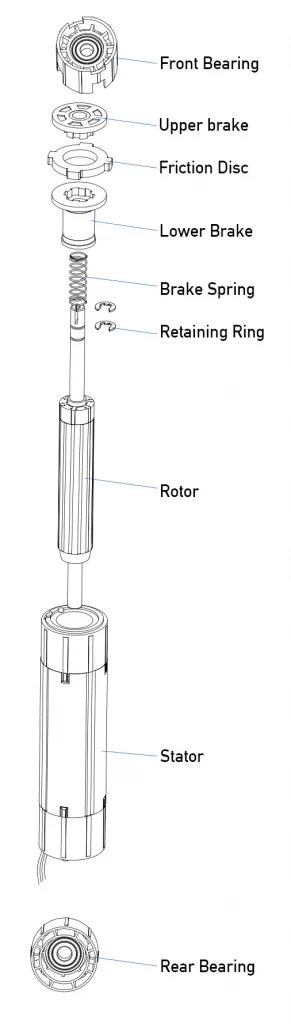
The rotor and stator are the electromagnetic core of a tubular motor. The stator creates the magnetic field, while the rotor turns inside the motor and transfers power to the brake, gearbox and output shaft. Their design and manufacturing consistency directly affect torque output, noise level, heat rise, efficiency, starting performance and long-term reliability.
What Is the Stator in a Tubular Motor?
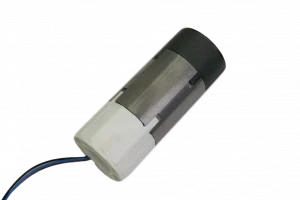
The stator is the fixed electromagnetic section of the motor. In a tubular motor, it normally includes a lamination stack, copper winding, insulation system and slot structure. When power is supplied, the winding creates the magnetic field that drives rotor movement.
Winding quality affects magnetic-field stability. Lamination quality affects efficiency and heat control. Insulation quality affects electrical safety and long-term reliability. For B2B supply, winding consistency also affects whether mass-production motors behave like approved samples.
What Is the Rotor in a Tubular Motor?
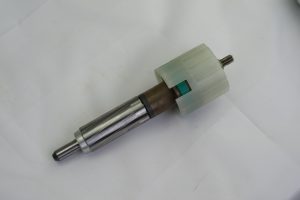
The rotor is the rotating part inside the stator. It receives electromagnetic force, turns through the motor center and transfers movement toward the shaft, brake and gearbox. The gearbox then reduces speed and increases torque before the output shaft drives the roller tube.
Rotor balance affects vibration and noise. Rotor assembly precision affects bearing load, brake matching and service life. A motor can have the correct diameter and torque label, but still perform poorly if rotor consistency is unstable.
How Rotor and Stator Work Together
Rotor vs Stator Technical Comparison
| Part | Position | Movement | Main Function | Key Quality Factor | Impact on Motor Performance |
|---|---|---|---|---|---|
| Stator | Fixed around the rotor inside the motor tube. | Does not rotate. | Creates the electromagnetic field through winding and lamination structure. | Winding consistency, lamination quality, insulation control and slot structure. | Affects torque stability, heat rise, efficiency, electrical safety and batch consistency. |
| Rotor | Rotates inside the stator and connects toward the shaft, brake and gearbox. | Rotates under electromagnetic force. | Converts electromagnetic force into mechanical rotation. | Rotor balance, shaft alignment, material consistency and assembly precision. | Affects vibration, noise, starting stability, bearing load, brake matching and service life. |
How Rotor and Stator Quality Affects Tubular Motor Performance
Torque output
Stable winding and rotor assembly help the electromagnetic core produce predictable force. Buyers should not rely only on motor diameter and torque label.
Noise level
Rotor imbalance, uneven electromagnetic output or poor brake matching can create vibration. This is especially important for roller blinds and indoor shading.
Heat rise
Poor winding or lamination quality can increase heat during operation. Heat control matters for awnings, shutters and repeated-use projects.
Starting stability
A consistent electromagnetic core helps the motor start smoothly under load. Unstable starting can show up as hesitation, vibration or inconsistent movement.
Energy efficiency
Better lamination, winding and rotor design reduce unnecessary loss. Efficiency also helps control temperature and long-term reliability.
Service life
Rotor balance, insulation quality and heat control affect how the motor ages. These factors matter more in repeated batch supply than in a one-time sample test.
Batch consistency
OEM buyers need samples and mass production to behave the same. Stator winding consistency and rotor assembly control are key parts of that consistency.
Common Rotor and Stator Problems in Low-Quality Tubular Motors
| Problem | Possible Cause | Effect on Motor | What Buyers Should Check |
|---|---|---|---|
| Uneven winding | Poor winding control or inconsistent process setup. | Unstable magnetic field, heat rise and inconsistent torque. | Ask how winding consistency is controlled and inspected. |
| Poor insulation | Weak insulation material or process variation. | Higher electrical risk and shorter service life. | Check insulation control and long-term reliability testing. |
| Overheating | Losses in winding, lamination or load mismatch. | Lower efficiency, accelerated aging and possible failure. | Ask about heat rise review or aging test under realistic load. |
| Rotor imbalance | Poor rotor assembly or material variation. | Vibration, higher noise and bearing stress. | Check whether rotor balance and running noise are inspected. |
| Unstable torque | Electromagnetic inconsistency or poor gearbox matching. | Uneven movement, weak starting or load problems. | Request torque testing and sample-to-batch comparison. |
| Abnormal vibration | Rotor imbalance, shaft misalignment or brake mismatch. | Noise, wear and poor customer experience. | Review noise inspection and complete motor running tests. |
| Poor batch consistency | Uncontrolled winding, rotor and assembly process. | Mass production differs from approved samples. | Ask how the supplier controls production records and final inspection. |
| Shorter service life | Heat, vibration, poor insulation and inconsistent parts. | Higher after-sales risk for OEM and project buyers. | Check aging test, brake holding review and application matching. |
AC vs DC Tubular Motor Rotor and Stator Differences
AC tubular motors and DC tubular motors both rely on electromagnetic conversion. Their winding design, voltage, control method and motor structure may differ, but both need stable electromagnetic design for low noise, reliable starting and consistent operation.
Battery motors and smart motors also depend on rotor and stator consistency. For these products, low-noise operation, stable control response and efficient power use are especially important.
Why Rotor and Stator Quality Matters for Applications
Roller shutters
Torque stability and brake holding matter because shutter curtains can be heavier and may create higher starting load.
Roller blinds
Quiet operation and smooth running matter because blinds are often used in residential, hotel and office interiors.
Zip screens
Stable movement matters because outdoor screens may face wind-load and guide-channel friction.
Awnings
Torque, heat control and duty cycle matter because awnings often operate with larger fabric systems outdoors.
Projection screens
Smooth and quiet operation matters because movement quality is visible and noise can affect the room experience.
Walter Manufacturing Perspective
Walter focuses on the consistency of the electromagnetic core, including stator winding, rotor assembly, brake matching, gearbox matching, insulation control, torque testing, noise inspection and aging tests.
For OEM and project buyers, this means rotor and stator review should be connected with complete motor testing. Stator winding, high-speed stamping, rotor die-casting, gearbox assembly, brake matching, torque inspection, noise inspection, aging test and batch consistency control all influence final motor reliability.
What B2B Buyers Should Check Before Ordering
- Is the supplier controlling winding consistency?
- Is there a heat rise or aging test?
- Is rotor balance checked?
- Is torque output tested?
- Is noise tested?
- Is brake holding performance checked?
- Are samples consistent with mass production?
- Can the supplier support OEM model selection?
Need a tubular motor supplier with stable rotor and stator quality?
Contact Walter Motor for model selection and OEM support based on application load, tube size, control method and quality requirements.
FAQ
What does the stator do in a tubular motor?
The stator is the fixed electromagnetic part. Its winding creates the magnetic field that drives rotor rotation.
What does the rotor do in a tubular motor?
The rotor turns inside the stator and transfers rotation toward the brake, gearbox and output shaft.
How do the rotor and stator affect torque?
Stable winding, lamination quality and rotor assembly help the motor produce consistent electromagnetic force before the gearbox converts speed into usable torque.
Can rotor and stator quality affect motor noise?
Yes. Rotor imbalance, uneven assembly and unstable electromagnetic output can create vibration and higher running noise.
Why does winding quality matter in a tubular motor?
Winding quality affects magnetic-field stability, heat rise, insulation reliability and consistency between sample and mass production motors.
What causes vibration in a tubular motor?
Common causes include rotor imbalance, poor assembly alignment, unstable torque output, bearing issues or poor matching with the brake and gearbox.
How does heat affect stator performance?
Excess heat can reduce efficiency, stress insulation and shorten long-term service life, especially under frequent operation.
Are the rotor and stator different in AC and DC tubular motors?
Both rely on electromagnetic conversion, but winding design, voltage, control method and motor structure may differ by motor type.
What should OEM buyers check before ordering tubular motors?
Buyers should check winding consistency, rotor balance, torque testing, noise inspection, heat or aging testing and sample-to-batch consistency.
How does Walter control rotor and stator quality?
Walter reviews stator winding, rotor assembly, brake matching, gearbox matching, torque output, noise and aging performance as part of motor quality control.
{“@context”:”https://schema.org”,”@graph”:[{“@type”:”WebPage”,”@id”:”https://www.waltermotor.com/tubular-motor/rotor-and-stator/#webpage”,”url”:”https://www.waltermotor.com/tubular-motor/rotor-and-stator/”,”name”:”Rotor and Stator in Tubular Motor: Structure, Function & Quality | Walter”,”headline”:”Rotor and Stator in Tubular Motor”,”description”:”Learn how the rotor and stator work inside a tubular motor and how winding quality, rotor balance, heat control and manufacturing consistency affect torque, noise, efficiency and service life.”,”isPartOf”:{“@id”:”https://www.waltermotor.com/#website”},”breadcrumb”:{“@id”:”https://www.waltermotor.com/tubular-motor/rotor-and-stator/#breadcrumb”},”primaryImageOfPage”:{“@id”:”https://www.waltermotor.com/tubular-motor/rotor-and-stator/#image-assembly”},”mainEntity”:{“@id”:”https://www.waltermotor.com/tubular-motor/rotor-and-stator/#faq”}},{“@type”:”BreadcrumbList”,”@id”:”https://www.waltermotor.com/tubular-motor/rotor-and-stator/#breadcrumb”,”itemListElement”:[{“@type”:”ListItem”,”position”:1,”name”:”Home”,”item”:”https://www.waltermotor.com/”},{“@type”:”ListItem”,”position”:2,”name”:”Tubular Motor”,”item”:”https://www.waltermotor.com/tubular-motor/”},{“@type”:”ListItem”,”position”:3,”name”:”Rotor and Stator”,”item”:”https://www.waltermotor.com/tubular-motor/rotor-and-stator/”}]},{“@type”:”TechArticle”,”@id”:”https://www.waltermotor.com/tubular-motor/rotor-and-stator/#article”,”headline”:”Rotor and Stator in Tubular Motor”,”description”:”Learn how the rotor and stator work inside a tubular motor and how winding quality, rotor balance, heat control and manufacturing consistency affect torque, noise, efficiency and service life.”,”about”:”Rotor and stator structure, winding quality, electromagnetic performance and manufacturing consistency in tubular motors.”,”author”:{“@type”:”Organization”,”name”:”Walter Motor”,”url”:”https://www.waltermotor.com”},”publisher”:{“@type”:”Organization”,”name”:”Walter Motor”,”url”:”https://www.waltermotor.com”},”mainEntityOfPage”:{“@id”:”https://www.waltermotor.com/tubular-motor/rotor-and-stator/#webpage”},”image”:[{“@id”:”https://www.waltermotor.com/tubular-motor/rotor-and-stator/#image-stator”},{“@id”:”https://www.waltermotor.com/tubular-motor/rotor-and-stator/#image-rotor”},{“@id”:”https://www.waltermotor.com/tubular-motor/rotor-and-stator/#image-assembly”},{“@id”:”https://www.waltermotor.com/tubular-motor/rotor-and-stator/#image-components”}]},{“@type”:”FAQPage”,”@id”:”https://www.waltermotor.com/tubular-motor/rotor-and-stator/#faq”,”mainEntity”:[{“@type”:”Question”,”name”:”What does the stator do in a tubular motor?”,”acceptedAnswer”:{“@type”:”Answer”,”text”:”The stator is the fixed electromagnetic part. Its winding creates the magnetic field that drives rotor rotation.”}},{“@type”:”Question”,”name”:”What does the rotor do in a tubular motor?”,”acceptedAnswer”:{“@type”:”Answer”,”text”:”The rotor turns inside the stator and transfers rotation toward the brake, gearbox and output shaft.”}},{“@type”:”Question”,”name”:”How do the rotor and stator affect torque?”,”acceptedAnswer”:{“@type”:”Answer”,”text”:”Stable winding, lamination quality and rotor assembly help the motor produce consistent electromagnetic force before the gearbox converts speed into usable torque.”}},{“@type”:”Question”,”name”:”Can rotor and stator quality affect motor noise?”,”acceptedAnswer”:{“@type”:”Answer”,”text”:”Yes. Rotor imbalance, uneven assembly and unstable electromagnetic output can create vibration and higher running noise.”}},{“@type”:”Question”,”name”:”Why does winding quality matter in a tubular motor?”,”acceptedAnswer”:{“@type”:”Answer”,”text”:”Winding quality affects magnetic-field stability, heat rise, insulation reliability and consistency between sample and mass production motors.”}},{“@type”:”Question”,”name”:”What causes vibration in a tubular motor?”,”acceptedAnswer”:{“@type”:”Answer”,”text”:”Common causes include rotor imbalance, poor assembly alignment, unstable torque output, bearing issues or poor matching with the brake and gearbox.”}},{“@type”:”Question”,”name”:”How does heat affect stator performance?”,”acceptedAnswer”:{“@type”:”Answer”,”text”:”Excess heat can reduce efficiency, stress insulation and shorten long-term service life, especially under frequent operation.”}},{“@type”:”Question”,”name”:”Are the rotor and stator different in AC and DC tubular motors?”,”acceptedAnswer”:{“@type”:”Answer”,”text”:”Both rely on electromagnetic conversion, but winding design, voltage, control method and motor structure may differ by motor type.”}},{“@type”:”Question”,”name”:”What should OEM buyers check before ordering tubular motors?”,”acceptedAnswer”:{“@type”:”Answer”,”text”:”Buyers should check winding consistency, rotor balance, torque testing, noise inspection, heat or aging testing and sample-to-batch consistency.”}},{“@type”:”Question”,”name”:”How does Walter control rotor and stator quality?”,”acceptedAnswer”:{“@type”:”Answer”,”text”:”Walter reviews stator winding, rotor assembly, brake matching, gearbox matching, torque output, noise and aging performance as part of motor quality control.”}}]},{“@type”:”ImageObject”,”@id”:”https://www.waltermotor.com/tubular-motor/rotor-and-stator/#image-stator”,”url”:”https://www.waltermotor.com/wp-content/uploads/2026/01/stator-for-45mm-tubular-motor-1-300×200.webp”,”caption”:”Stator winding inside a 45mm tubular motor. Winding quality affects magnetic-field stability, heat rise and batch consistency.”,”description”:”Stator winding inside a 45mm tubular motor”},{“@type”:”ImageObject”,”@id”:”https://www.waltermotor.com/tubular-motor/rotor-and-stator/#image-rotor”,”url”:”https://www.waltermotor.com/wp-content/uploads/2026/01/IMG_1376-300×200.jpg”,”caption”:”Rotor assembly for a tubular motor. Balance and assembly precision affect vibration, noise and service life.”,”description”:”Rotor assembly for a tubular motor with brake structure”},{“@type”:”ImageObject”,”@id”:”https://www.waltermotor.com/tubular-motor/rotor-and-stator/#image-assembly”,”url”:”https://www.waltermotor.com/wp-content/uploads/2026/01/45mm-tubular-motor-assembly-diagram-1024×407.webp”,”caption”:”45mm tubular motor internal structure exploded view showing the position of the electromagnetic core, brake and drive sections.”,”description”:”45mm tubular motor internal structure exploded view”},{“@type”:”ImageObject”,”@id”:”https://www.waltermotor.com/tubular-motor/rotor-and-stator/#image-components”,”url”:”https://www.waltermotor.com/wp-content/uploads/2025/12/tubular-motor-components-diagram-rotor-stator-brake-291×1024.webp”,”caption”:”Tubular motor components diagram showing rotor, stator and brake structure. The vertical layout is kept in a contained frame to avoid cropping key details.”,”description”:”Tubular motor components diagram showing rotor and stator with brake structure”}]}
