
Tubular Motor OEM Pricing
Tubular Motor Price Guide
How B2B buyers compare cost, specifications, OEM requirements and long-term value
Tubular motor price is affected by motor diameter, torque, voltage, control system, material, certification requirement, order quantity and OEM customization. This page explains cost factors for B2B buyers, not a fixed quotation.
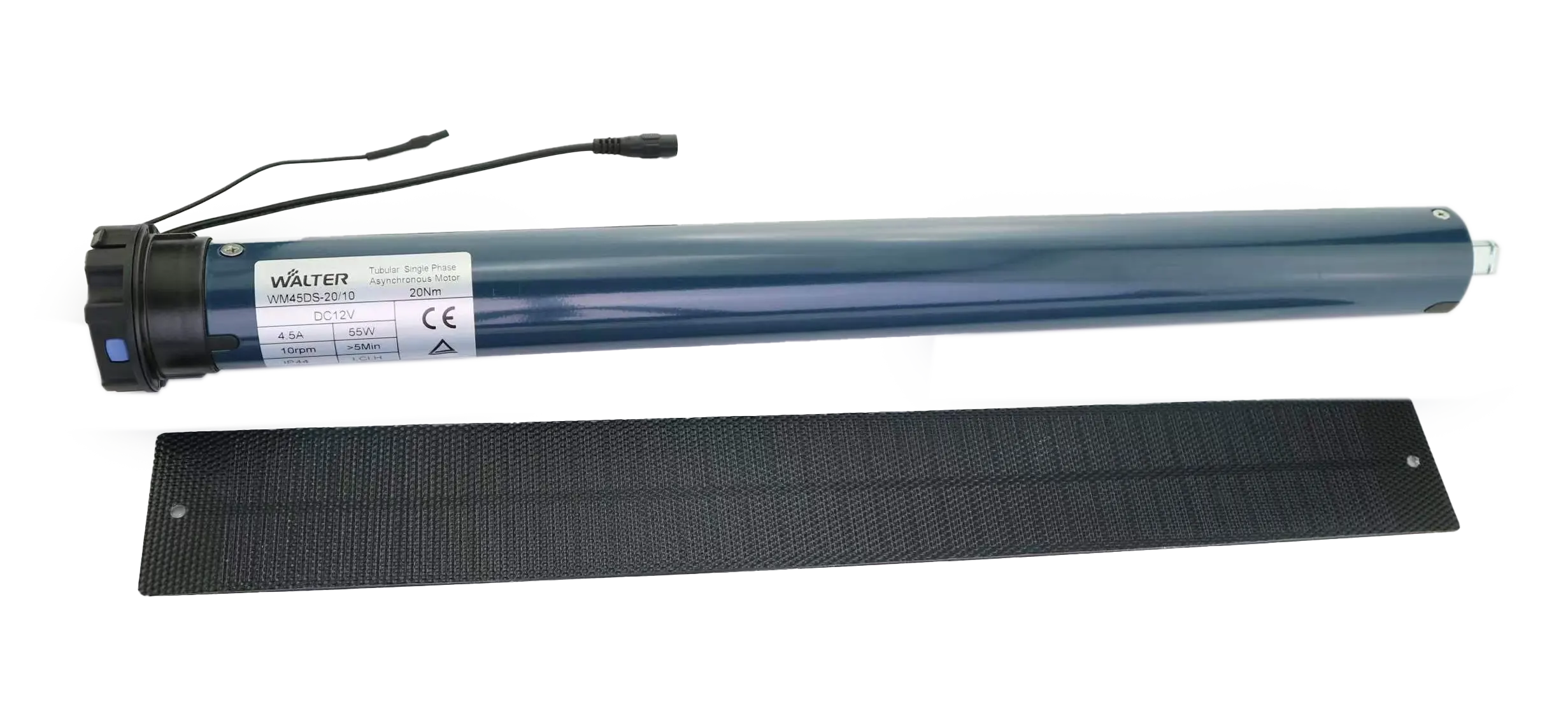
Quick Answer: What Affects Tubular Motor Price?
- Motor size and torque
- AC / DC / battery power type
- Mechanical limit / electronic limit / receiver / smart control
- Winding material and gearbox quality
- Certification requirement
- Order quantity
- OEM branding and packaging
- Accessories and cable requirements
Price Range Disclaimer
This page is a general buying guide, not a fixed quotation. Actual price depends on project requirements, quantity, voltage, cable, accessories, packaging and compliance requirements. For exact pricing, buyers should send motor type, torque, quantity, voltage, control method and destination market.
Average Tubular Motor Price by Type
| Motor Type | Typical Torque Range | Common Application | Price Influence | Buyer Note |
|---|---|---|---|---|
| AC mechanical limit motor | Low to medium | Blinds and shutters | Usually simpler control structure | Indicative only; final quotation depends on specification, quantity, accessories, certification, cable, plug, destination market and raw material cost. |
| AC receiver motor | Low to medium | Remote controlled shading | Receiver, remote and pairing checks increase cost | Confirm radio frequency, transmitter type and market requirement. |
| DC motor | Low to medium | Low-voltage projects | Controller and power supply matching affect cost | Check project voltage and controller interface. |
| Battery motor | Low to medium | Retrofit roller blinds | Battery, charging and receiver parts increase cost | Compare motor price with wiring savings and installation time. |
| Smart motor | Model dependent | Connected shading systems | Electronics, protocol and gateway compatibility affect cost | Confirm smart home ecosystem before quoting. |
Key Factors That Affect Tubular Motor Price
Motor diameter
25mm, 35mm, 45mm and 59mm motors use different housings, stator sizes, adapters and production setups.
Torque
Higher torque can require a stronger gearbox, brake and electromagnetic core, especially for shutters, awnings and larger systems.
Speed
Speed affects gear ratio, noise, heat and application feel. Buyers should avoid changing speed without checking load and duty cycle.
Voltage
110V, 230V, DC low voltage and battery systems require different electrical designs and market-specific checks.
Limit type
Mechanical limit, electronic limit and receiver-based limit setting have different parts, setup time and service implications.
Receiver and smart control
Built-in receivers, remotes, smart modules and protocol requirements add electronics, testing and compatibility work.
Power type
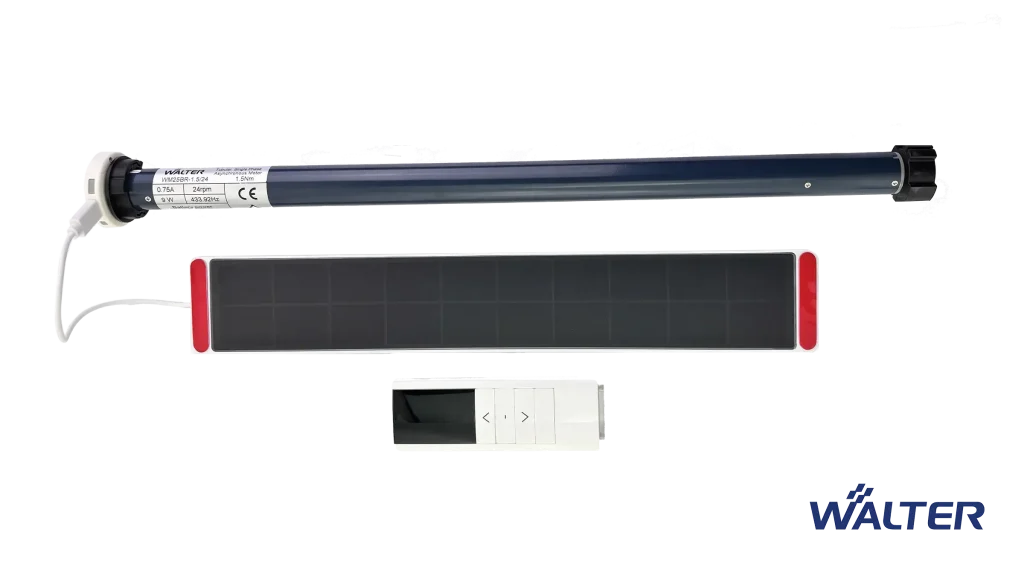
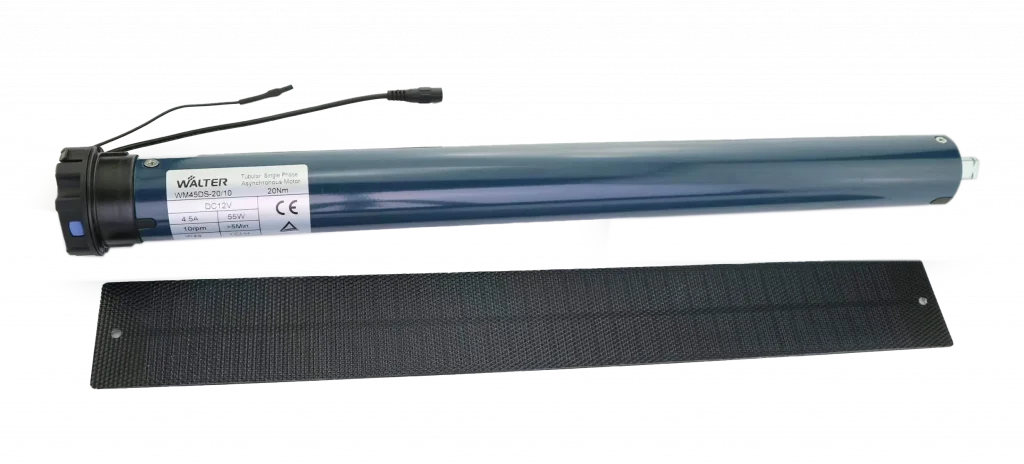
AC, DC, battery and solar-assisted systems differ in motor structure, charging parts, controllers and accessory kits.
Gearbox and brake
Gearbox material, brake holding performance and matching precision affect noise, load capacity and service life.
Winding material
Winding choice affects cost, heat and application suitability. Material changes should be validated for the target duty cycle.
Certification and testing
Destination markets may require documentation, test records or additional inspection before shipment.
Cable length and plug
Custom cable, plug and connector requirements add material, assembly and verification work.
Accessories
Crown, drive wheel, bracket, end cap, remote, wall switch and charger requirements change the delivered kit cost.
Packaging and OEM branding
Private label packaging, manuals, labels and carton marks add setup work and MOQ considerations.
Order quantity
Quantity affects material purchasing, production planning, packaging efficiency and unit cost.
Destination market and lead time
Market requirements, freight plan, urgent delivery and documentation needs can change the final quotation.
AC vs DC vs Battery vs Smart Motor Price
| Motor Type | Cost Level | Why Price Differs | Best Use Case | Buyer Note |
|---|---|---|---|---|
| AC mechanical limit | Lower to medium | Simpler control and standard wiring | Standard wired projects | Good when remote control is not needed. |
| AC receiver | Medium | Built-in receiver and remote control | Remote controlled shutters and blinds | Confirm frequency and market. |
| DC motor | Medium | Low-voltage electronics and power matching | Low-voltage systems | Check controller and power supply. |
| Battery motor | Medium to higher | Battery, charging and receiver parts | Retrofit blinds without wiring | Check charging and cycle needs. |
| Smart motor | Higher | Smart electronics and compatibility requirements | Connected shading systems | Confirm protocol and app ecosystem. |
OEM Pricing Logic
Quantity and forecast
Larger or more stable orders can reduce unit cost by improving material planning, production scheduling and packaging workflow.
Standard vs custom model
A standard validated model is usually more efficient than a custom model that needs new parts, testing or packaging setup.
Private label and packaging
Brand labels, manuals, barcode labels and carton marks add preparation, artwork control and order-management work.
Cable, plug and accessories
A small cable or accessory change can affect material sourcing, assembly time and inspection requirements.
Certification and special testing
Destination-market documentation, extra testing or customer-specific inspection will affect cost and lead time.
Lead time pressure
Urgent orders may reduce normal material-planning flexibility, especially for custom motors or non-standard kits.
How to Reduce Cost Without Sacrificing Quality
- Choose correct torque and avoid overspec.
- Standardize models where possible.
- Use a suitable control system instead of unnecessary smart features.
- Confirm cable and connector early.
- Avoid unnecessary custom parts.
- Combine orders where possible.
- CCA can be considered for suitable residential intermittent-use applications when validated, while copper may be preferred for higher-load or frequent-use applications.
- Do not reduce quality-critical parts like gearbox, brake, insulation and testing.
Cheap Tubular Motor Risks
| Low Price Sign | Possible Hidden Risk | Buyer Check Point |
|---|---|---|
| Weak gearbox | Short service life or high noise | Ask about gearbox structure and testing. |
| Poor brake | Holding instability | Check brake matching. |
| Unstable torque | Batch inconsistency | Request torque inspection control. |
| Noisy motor | Poor rotor or gearbox matching | Check noise inspection. |
| Insufficient testing | Field failures | Ask about aging and final tests. |
| Inconsistent batches | Sample and mass production mismatch | Check production control. |
| Poor winding or insulation | Heat or reliability risk | Review material and insulation control. |
| Incomplete certification support | Import or compliance issue | Confirm destination market requirements. |
What Walter Needs to Quote Accurately
| RFQ Field | Information Needed |
|---|---|
| Application | Roller blind, roller shutter, awning, zip screen or project system |
| Motor diameter | 25mm, 35mm, 45mm, 59mm or tube drawing |
| Torque and speed | Nm requirement, speed requirement or project load data |
| Voltage and frequency | AC 110/230V, DC, battery or market-specific voltage |
| Limit type | Mechanical limit, electronic limit or receiver/smart setting |
| Control method | Wall switch, remote, receiver, smart gateway or project controller |
| Quantity | Sample, trial order, batch order or annual forecast |
| Cable and plug | Cable length, wire core, plug type and connector requirement |
| Accessories | Crown, drive wheel, bracket, end cap, remote, charger or solar panel |
| Certification | Destination-market compliance or documentation needs |
| Packaging/private label | Neutral packaging, Walter packaging or OEM branding |
| Destination market | Country or region for voltage, language and compliance review |
| Lead time | Target delivery date, shipment plan and forecast stability |
Walter Manufacturing Perspective
Walter price evaluation is not only about material. It also considers model selection, production consistency, winding and rotor/stator control, gearbox and brake matching, testing and aging, OEM support and export documentation.

FAQ
What is the average tubular motor price?
There is no single fixed average because price depends on diameter, torque, power type, control system, quantity, accessories and compliance requirements.
Why do tubular motor prices vary so much?
Prices vary because motors differ in torque, gearbox, brake, winding, control electronics, certification support, packaging and order quantity.
Is a higher torque motor always more expensive?
Higher torque often increases cost, but final price also depends on motor series, control type, quantity and customization.
Are battery tubular motors more expensive than AC motors?
Battery motors often cost more because they include battery, charging and receiver-related parts, but project wiring savings may also matter.
Does smart control increase price?
Smart control usually adds receiver, electronics or protocol-related cost compared with a simple mechanical limit motor.
How does order quantity affect price?
Larger quantity can reduce unit cost by improving material planning, production efficiency and packaging workflow.
What information is needed for an OEM quotation?
Buyers should provide application, motor diameter, torque, voltage, limit type, control method, quantity, cable, accessories, packaging and destination market.
How can buyers reduce tubular motor cost?
Buyers can standardize models, avoid overspec torque, confirm cable and accessories early, combine orders and keep quality-critical parts validated.
Are cheap tubular motors reliable?
Very low prices may hide weak gearbox, poor brake, unstable torque, noise, limited testing or inconsistent batches. Buyers should check more than unit price.
Can Walter provide OEM tubular motor pricing?
Walter can provide OEM pricing after reviewing the project specification, quantity, control method, accessories and destination market requirements.

