
Internal Structure
Tubular Motor Structure
Internal parts, components and functions inside a tubular motor
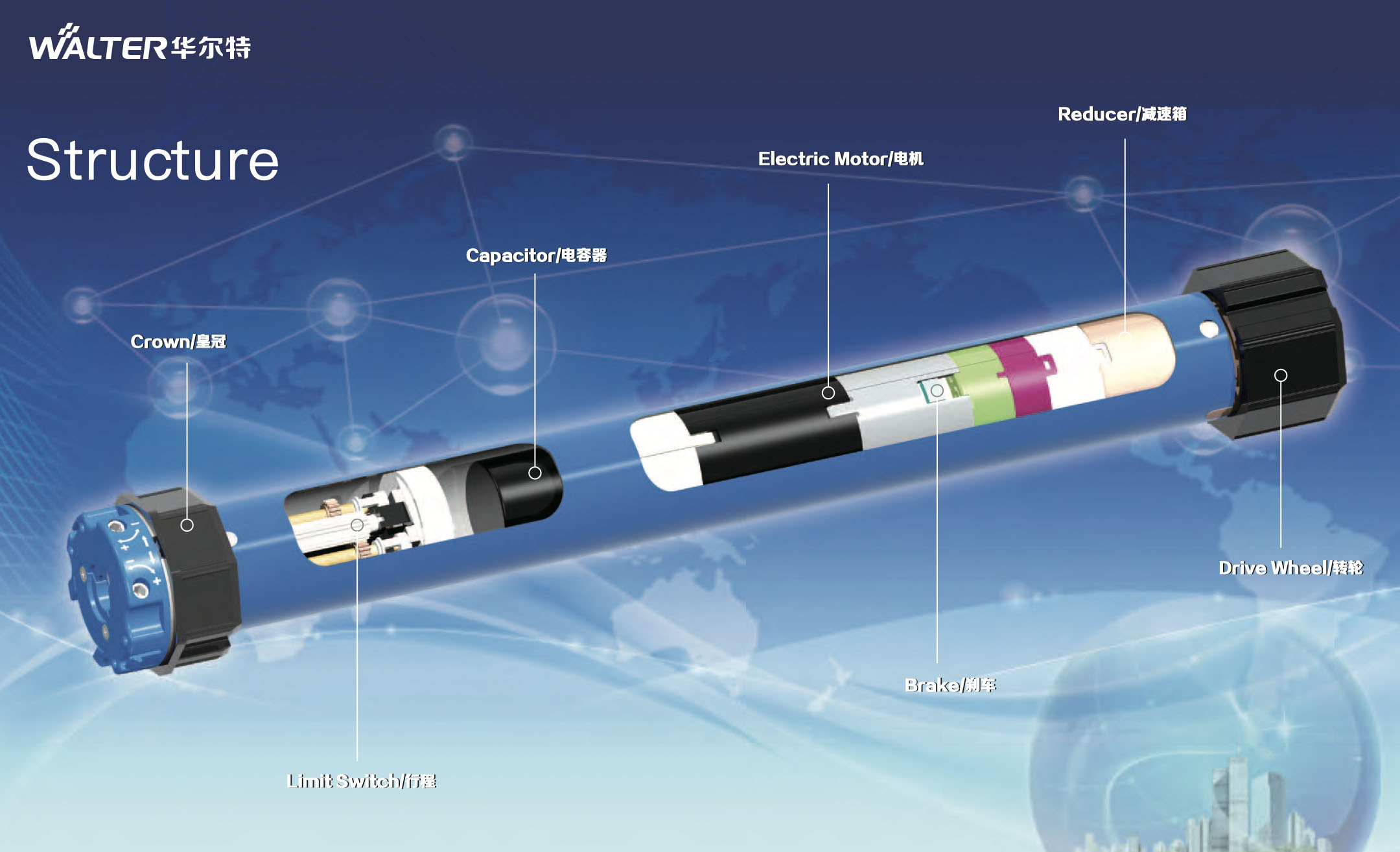
A tubular motor contains an electromagnetic drive section, transmission parts, brake, limit system and output interface packed inside a compact tube-shaped body.
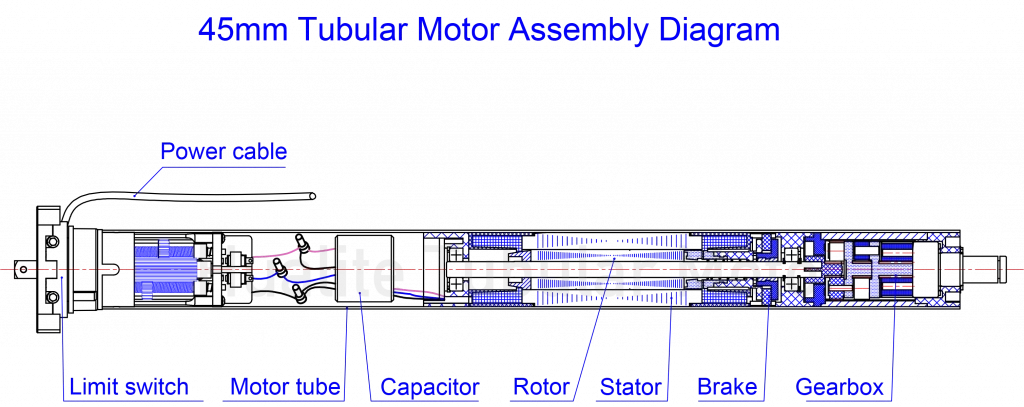
Quick Answer: What Is Inside a Tubular Motor?
- Stator and rotor generate rotation.
- Gearbox converts speed into usable torque.
- Brake helps hold position.
- Limit switch controls upper and lower stop positions.
- Output shaft, crown and drive wheel transfer torque to the roller tube.
Internal Structure Overview
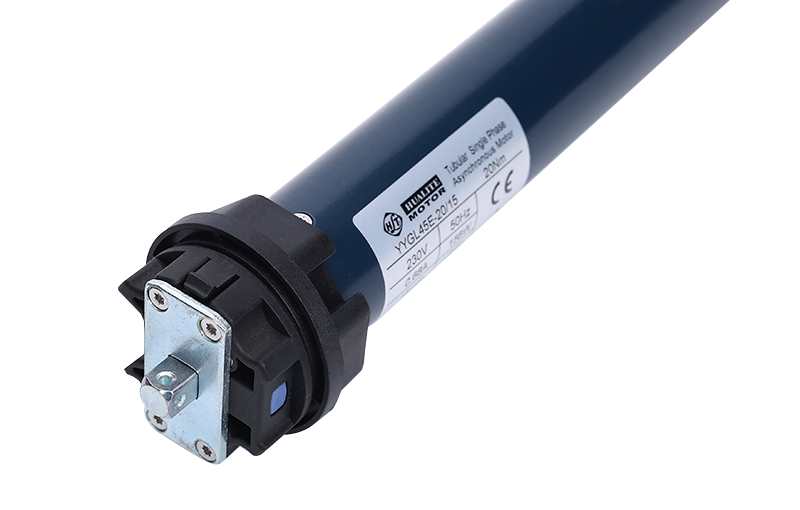
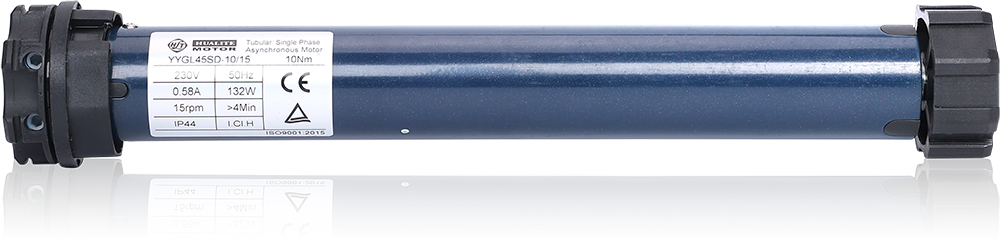
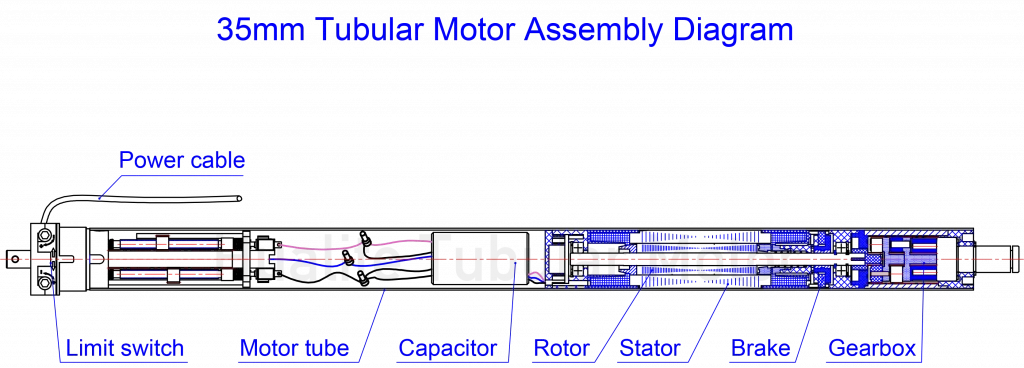
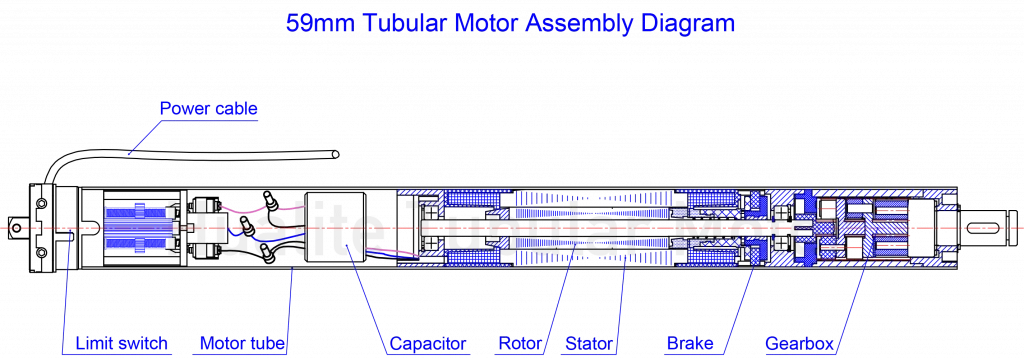
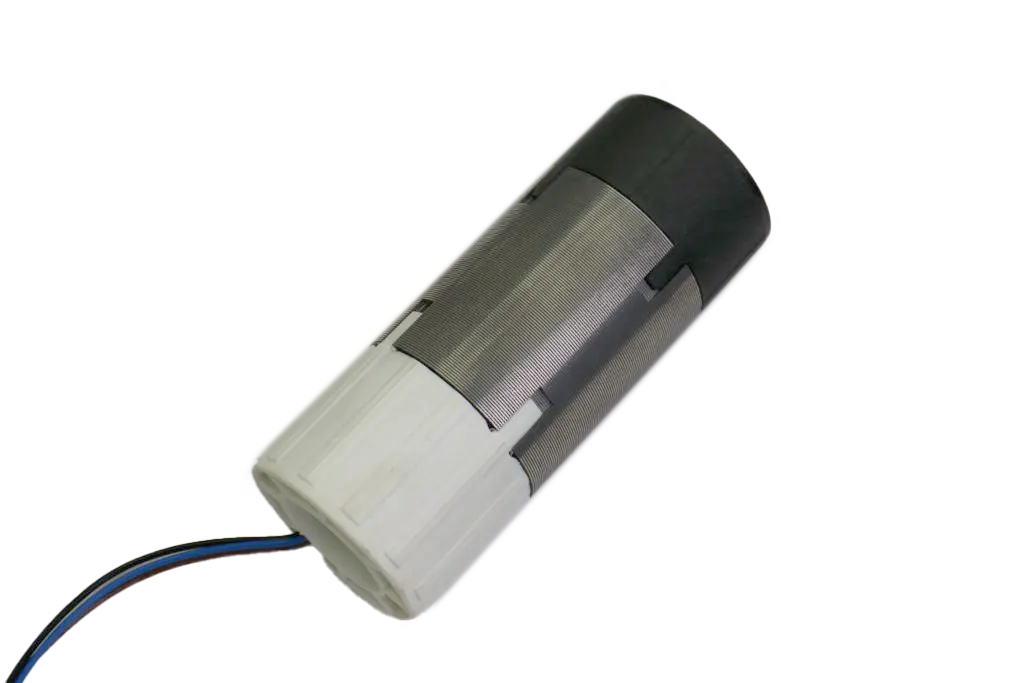
Exploded View Explanation
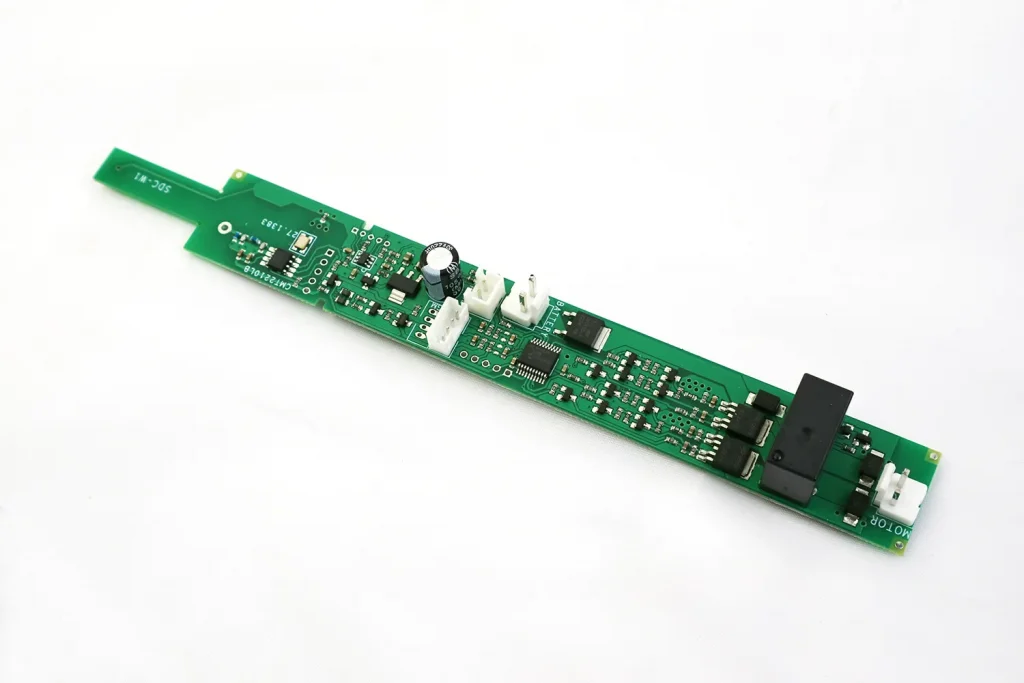
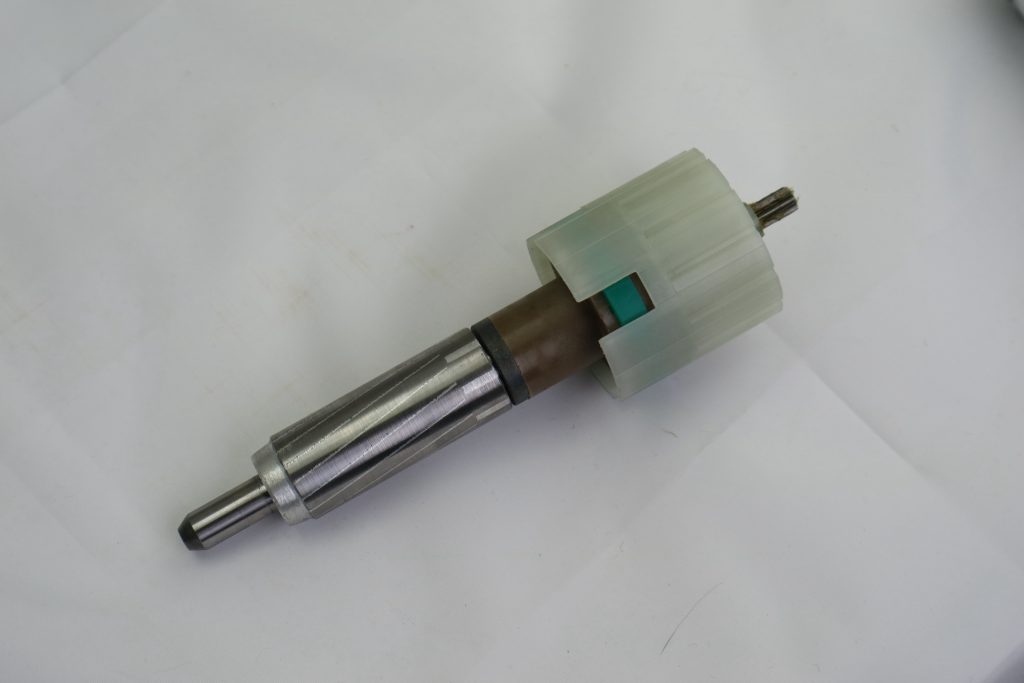
The exploded diagrams show how the motor tube, stator, rotor, brake, gearbox, limit parts and bearings fit in sequence. For buyers, this layout helps explain why assembly accuracy affects torque, noise and service life.
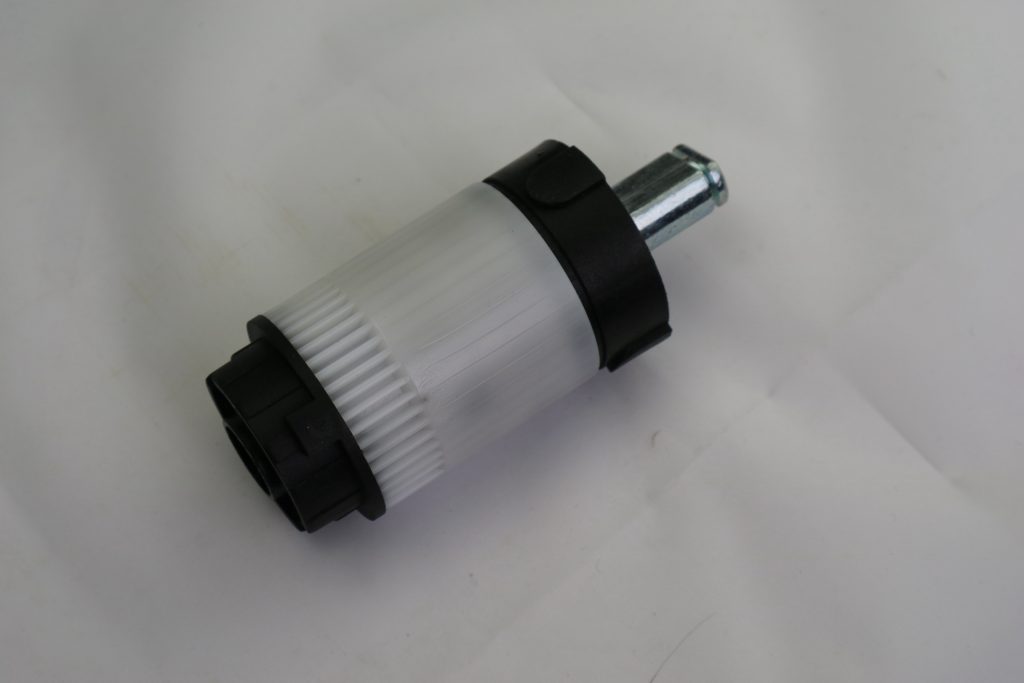
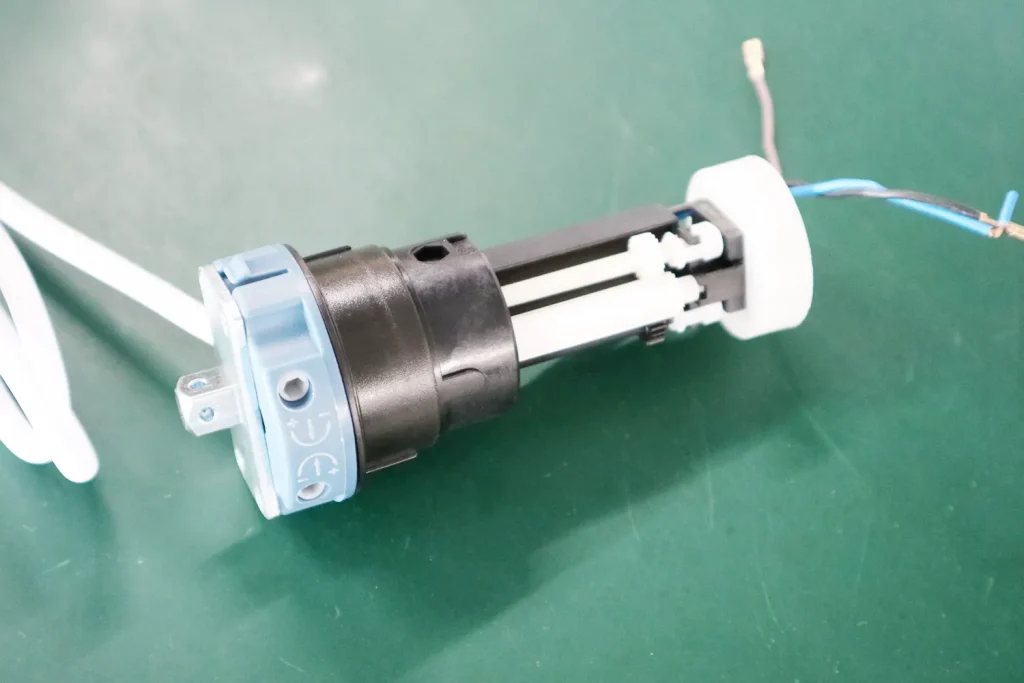
Main Components and Functions
| Component | Function | Performance Impact |
|---|---|---|
| Stator | Creates magnetic field | Torque stability and heat control. |
| Rotor | Rotates under magnetic force | Vibration and starting stability. |
| Gearbox | Reduces speed and increases torque | Load capacity and noise. |
| Brake | Holds position | Safety and stopping reliability. |
| Limit switch | Controls stop positions | Travel accuracy and protection. |
| Output shaft | Transfers rotation | Drive consistency. |
| Crown and drive wheel | Connect motor to tube | Tube fit and torque transfer. |
Rotor and Stator
The rotor and stator are the electromagnetic core. Stable winding, lamination and rotor balance help reduce heat, noise and batch variation.
Gearbox, Brake and Limit System
Gearbox and torque output
Gear ratio converts motor speed into usable torque for the tube.
Brake system
Brake matching helps hold position and reduce unwanted movement.
Limit switch system
Limit quality affects upper/lower stop accuracy and service reliability.
Output shaft, crown and drive wheel
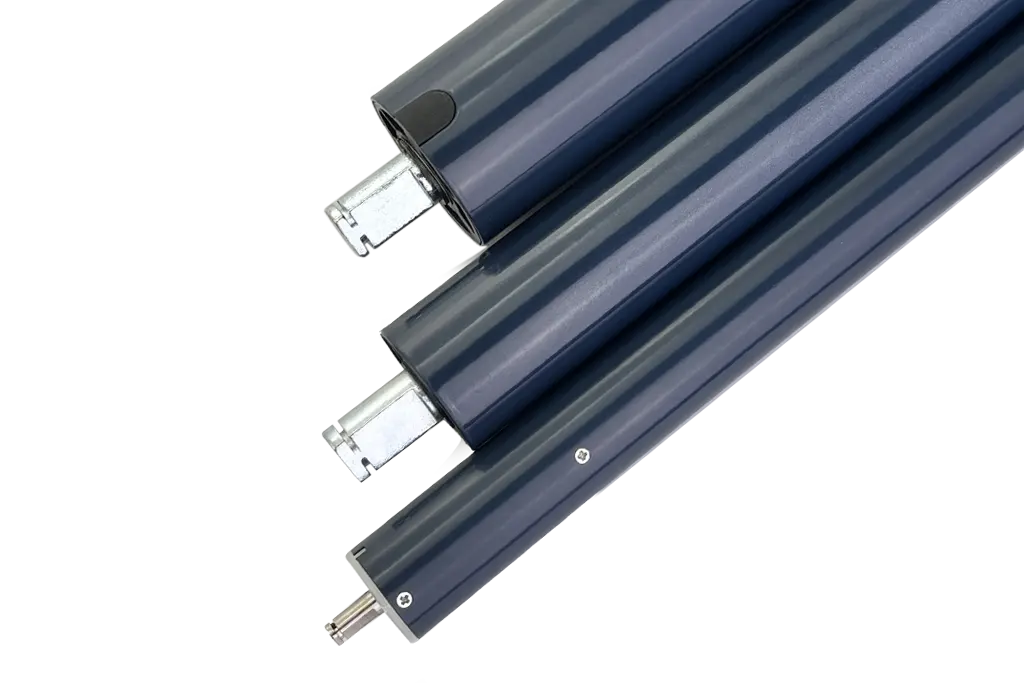
These parts must match the tube to prevent slipping and off-center rotation.
AC / DC / battery differences
Electronics, capacitor, receiver and battery parts vary by motor type.
Low-quality structure problems
Weak gearbox, poor brake, rotor imbalance and loose adapters can cause noise or failure.
Walter Manufacturing Perspective
Walter evaluates internal structure by application load, torque output, noise target, brake matching, limit system and production consistency rather than only external diameter.
FAQ
What is inside a tubular motor?
A tubular motor typically includes stator, rotor, brake, gearbox, limit system, output shaft, crown and drive wheel.
What does the stator do?
The stator creates the electromagnetic field that drives rotor rotation.
What does the rotor do?
The rotor turns inside the stator and transfers motion toward the gearbox and output shaft.
Why is the gearbox important?
The gearbox reduces speed and increases usable torque for blinds, shutters and awnings.
What does the brake do?
The brake helps hold position and prevent the system from sliding under load.
What is the limit switch used for?
The limit system controls upper and lower stop positions.
What are crown and drive wheel?
They connect the motor to the roller tube and transfer torque to the tube.
Do AC and battery motors have the same structure?
They share core drive concepts but differ in electronics, power supply and control parts.
How does internal structure affect noise?
Rotor balance, gearbox quality, brake matching and assembly precision all affect noise.
Can Walter discuss component requirements for OEM projects?
Walter can review torque, noise, control and application needs when selecting a suitable motor structure.

