
Motor Type Comparison
Tubular Motor vs Central Motor
A practical comparison for roller shutter projects, retrofit installations and OEM buyers
Tubular motors and central motors can both be used in roller shutter systems, but they fit different installation structures, retrofit needs and automation requirements.

Quick Answer Box
For many modern roller shutter and automated shading projects, tubular motors are compact and easy to integrate inside the tube. Central motors may still be suitable for certain traditional shutter designs. Selection should be based on project structure, load, service access and control needs.
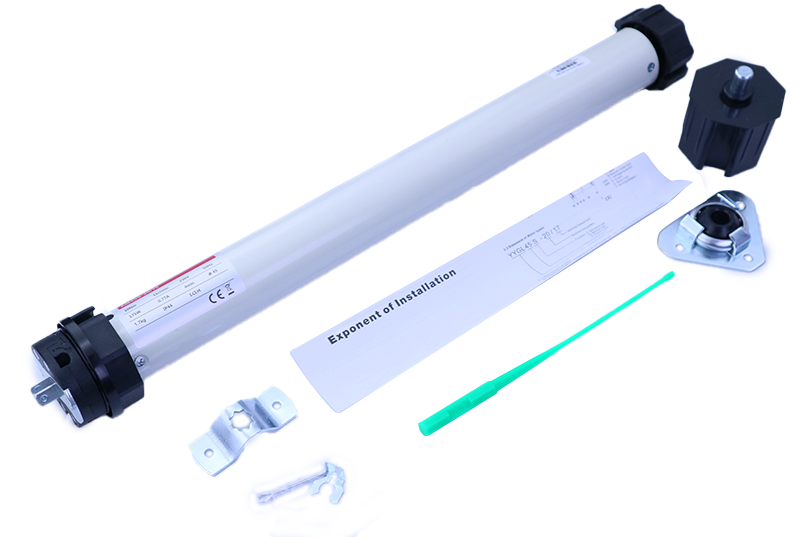
What Is a Tubular Motor?
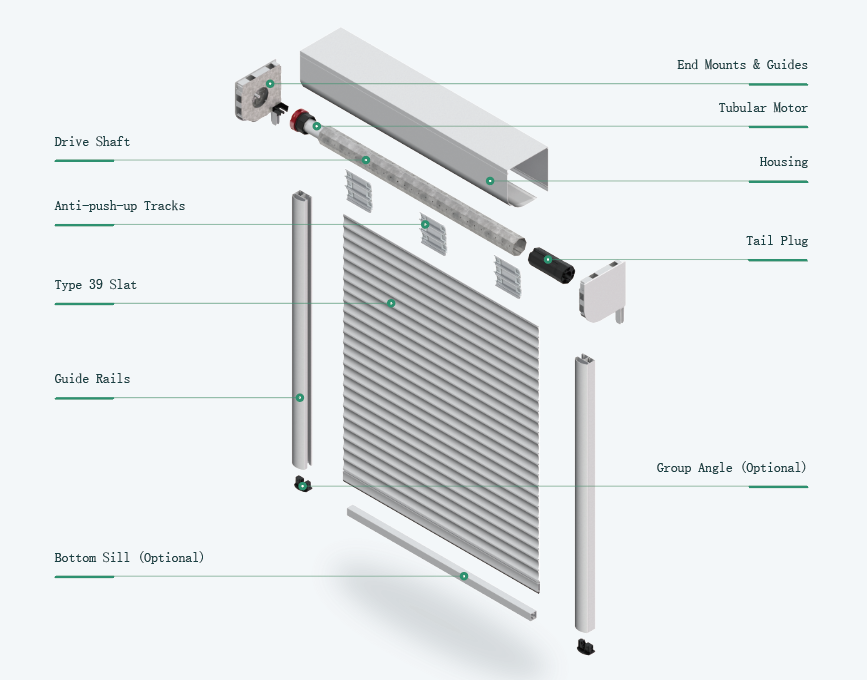
A tubular motor is installed inside the roller tube and directly drives the tube. It is commonly used for roller shutters, blinds, awnings and screens.
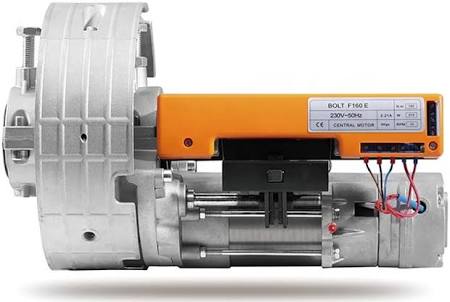
What Is a Central Motor?
A central motor is mounted in a central drive position for shutter systems designed around that structure. It can be suitable where the shutter design and load path are built for it.
Side-by-Side Comparison Table
| Factor | Tubular Motor | Central Motor |
|---|---|---|
| Installation position | Inside roller tube | Central drive position in specific shutter structure |
| Typical application | Modern shutters, blinds, awnings, retrofit automation | Certain traditional shutter systems |
| Torque range | Wide range by diameter and series | Project-dependent |
| Space requirement | Compact inside tube | Needs compatible central mounting space |
| Noise | Can be quiet with proper tube and bracket | Depends on shutter system structure |
| Maintenance | Motor is enclosed in tube | Access depends on central mechanism |
| Smart control compatibility | Good with receiver and smart options | Depends on controller design |
| Retrofit suitability | Often practical when tube fits | Depends on existing shutter structure |
| Cost logic | Motor, adapters, controls and tube fit | Motor plus system-specific drive parts |
| Best use case | Modern automated roller shutter projects | Existing central-drive shutter systems |
When to Choose Each Motor Type
Choose a tubular motor
Use it for compact tube-integrated automation, retrofit roller shutters, OEM shading systems and projects needing remote or smart control options.
Choose a central motor
Use it when the shutter structure is designed for a central drive system and service access, load path and installation space match that approach.
Common Buyer Mistakes and Walter Perspective
| Mistake | Risk | Better Approach |
|---|---|---|
| Only comparing motor price | Misses installation and control cost | Compare total system cost. |
| Ignoring shutter structure | Motor type may not fit | Check tube and drive design. |
| Assuming one type is always better | Wrong application choice | Select by project data. |
| Ignoring retrofit conditions | Unexpected installation work | Inspect existing shutter before ordering. |
Walter focuses on tubular motor suitability for modern roller shutter, OEM and automated shading systems, while recognizing that central motors can be valid in the right system.
FAQ
What is the difference between a tubular motor and a central motor?
A tubular motor is installed inside the roller tube, while a central motor is generally mounted centrally for specific shutter systems.
Which is better for roller shutters?
It depends on shutter design, space, load, installation method and automation requirements.
Is a tubular motor easier to automate?
Tubular motors usually integrate well with modern remote, receiver and smart control systems.
When should I choose a central motor?
A central motor may suit certain traditional or specific shutter systems where that structure is already designed.
Is a tubular motor quieter?
It can be quieter in many modern systems, but final noise depends on motor, tube, shutter and installation quality.
Which option is better for retrofit projects?
Tubular motors are often practical for retrofit roller shutter automation when tube and bracket conditions fit.
Which has lower maintenance?
Maintenance depends on system design and installation. Tubular motors can reduce exposed drive components.
Can central motors support high loads?
Some central motor systems are designed for specific shutter loads. Selection should be based on project data.
What should OEM buyers compare?
Compare installation position, control compatibility, noise, service access, torque range and total system cost.
Can Walter help compare motor types?
Walter can help evaluate whether a tubular motor range is suitable for the shutter project.

