
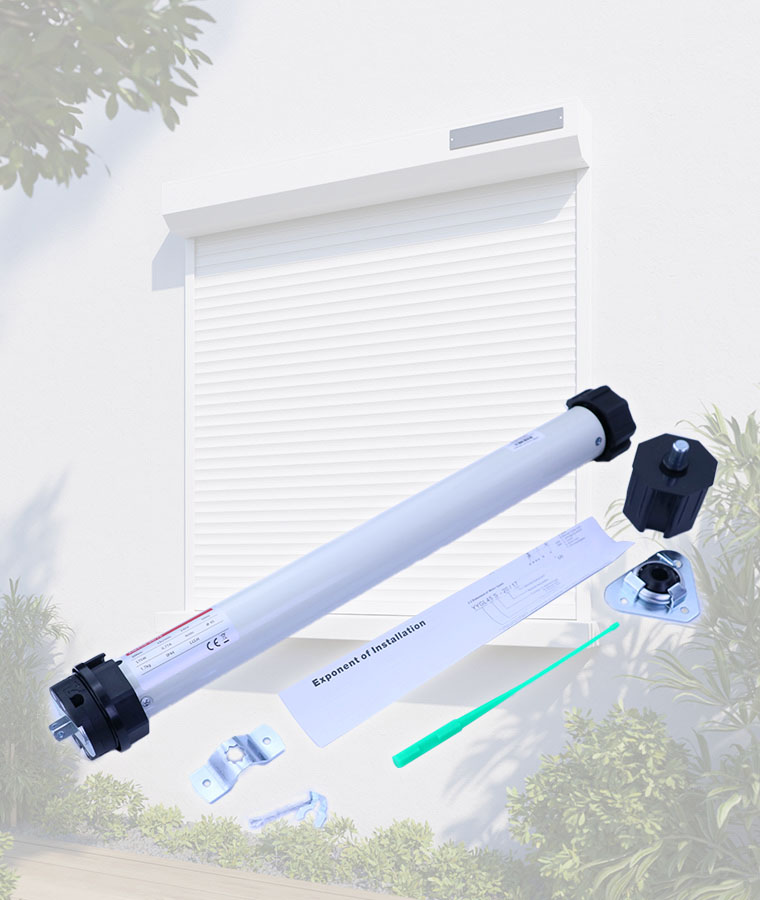
Application selection guide
Tubular Motor Selection by Application
The first selection question should not be the motor diameter or unit price. Professional buyers get better samples and fewer installation problems when they begin with the application: what the motor must lift, how often it runs, where it is installed and who will service it later.
Who this guide is for
Roller shutter manufacturers, blind assemblers, awning suppliers, zip screen companies, importers and project buyers use this page to make one buying decision clearer before requesting price, samples or OEM support.
The page is intentionally written as a procurement guide. It does not replace product datasheets, local electrical rules, final system testing or installer responsibility.
Start from the application, not the catalog
A tubular motor used in a residential roller blind has a different risk profile from a motor used on a shopfront shutter. The load, tube size, control expectation, noise tolerance, safety requirement and replacement cost all change with the application. If a buyer asks only for a 35mm or 45mm motor without explaining the curtain system, the supplier can quote a motor that fits the tube but fails the job.
Application-based selection also improves quotation speed. Walter can recommend a motor family, limit type and accessory set faster when the buyer provides the shutter or blind type, tube profile, finished width, finished height, estimated weight, control method, voltage, market and installation condition. These details reduce guesswork before samples are produced.
For OEM projects, the application affects more than the motor. It affects carton labels, user manuals, brackets, cable length, plugs, remote control kits, spare parts and test records. A professional RFQ should therefore describe the complete system, not only the motor body.
System fit before model choice
Motor-in-tube installation relationship
This cutaway explains why motor diameter alone is not enough. The motor, crown, drive adapter, roller tube, bracket and moving load must be checked as one system before a sample is approved.
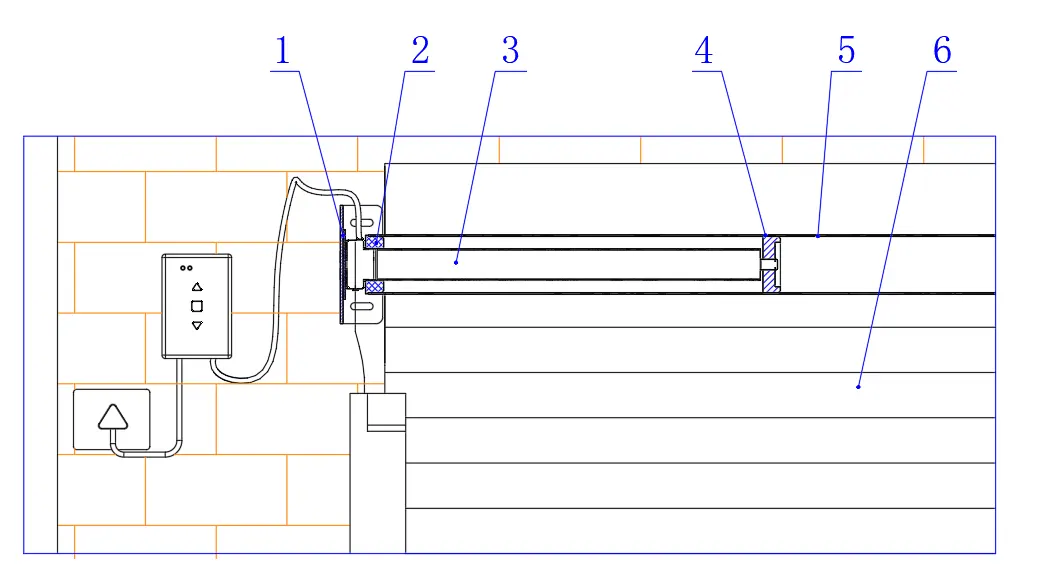
- 1Bracket
Carries the motor head and reacts against motor torque.
- 2Crown
Supports the motor and follows tube rotation for limit operation.
- 3Tubular motor
Fits inside the roller tube and supplies the required torque.
- 4Drive adapter
Transfers motor torque to the tube without slip.
- 5Roller tube
Its inner profile must match the crown and drive adapter.
- 6Curtain or fabric
The moving load, guides and friction determine working demand.
Common application choices
Roller shutters usually need stronger torque, stable brake performance and careful tube and bracket matching. Commercial shutters may also require manual override or more conservative duty cycle decisions. The buyer should confirm shutter curtain weight, guide rail friction, slat type, tube diameter and whether the installation is indoor or outdoor.
Roller blinds and shades are usually lighter, but they require better noise control, neat limit setting and control compatibility. For a distributor, the most important question is often how many tube sizes and control methods can be covered without creating too many stock keeping units.
Awnings, zip screens, projection screens and venetian blind systems all add their own constraints. Outdoor systems face wind, weather and bracket stress. Projection screens need smooth running and quiet operation. Venetian blind systems can require special control logic. Selection must respect the whole mechanism.
| Application | Main selection concern | Typical buyer risk |
|---|---|---|
| Roller shutter | Torque, brake, tube fit, manual override and shutter weight | Undersized torque or missing emergency access |
| Roller blind | Noise, tube diameter, limit accuracy and RF control | Overcomplicated model range or poor user experience |
| Awning | Torque margin, outdoor installation and bracket strength | Wind load assumptions not checked |
| Zip screen | Side guide friction, control logic and outdoor duty | Motor selected from weight only |
| Projection screen | Smooth travel, noise and limit repeatability | Visible stop errors or vibration |
| Venetian blind | System-specific control and accessory fit | Wrong motor selected for tilt or lift behavior |
Application reference
Compare application priorities before requesting a motor
These photos identify the finished system types. They are selection references, not model recommendations; final approval still requires load, tube, control, installation and market data.
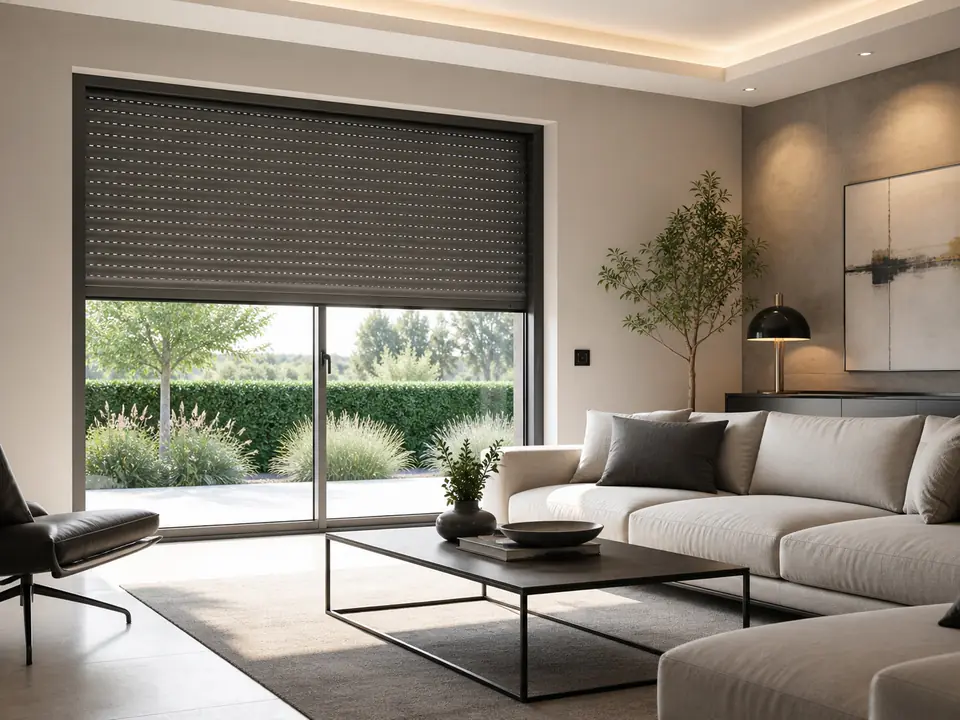
Roller shutter
Selection focus: Torque, brake holding, tube fit and emergency access
Buyer risk: Do not size from curtain weight alone; include guide friction and tube radius.
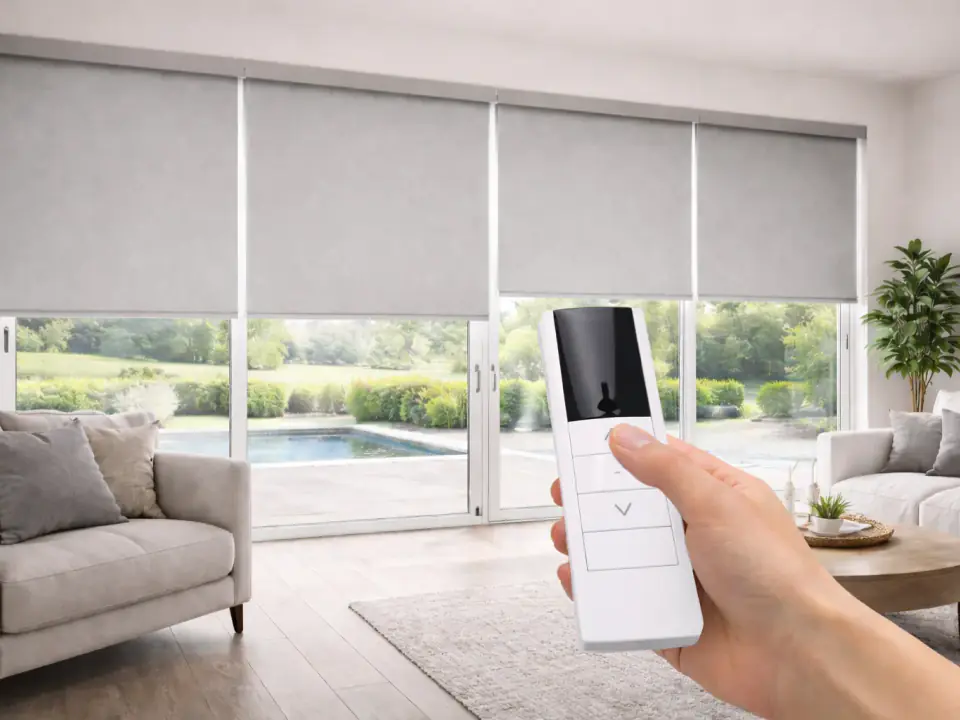
Roller blind
Selection focus: Quiet operation, limit repeatability, compact tube fit and control choice
Buyer risk: Confirm the real tube profile and the wired or RF control package before sampling.
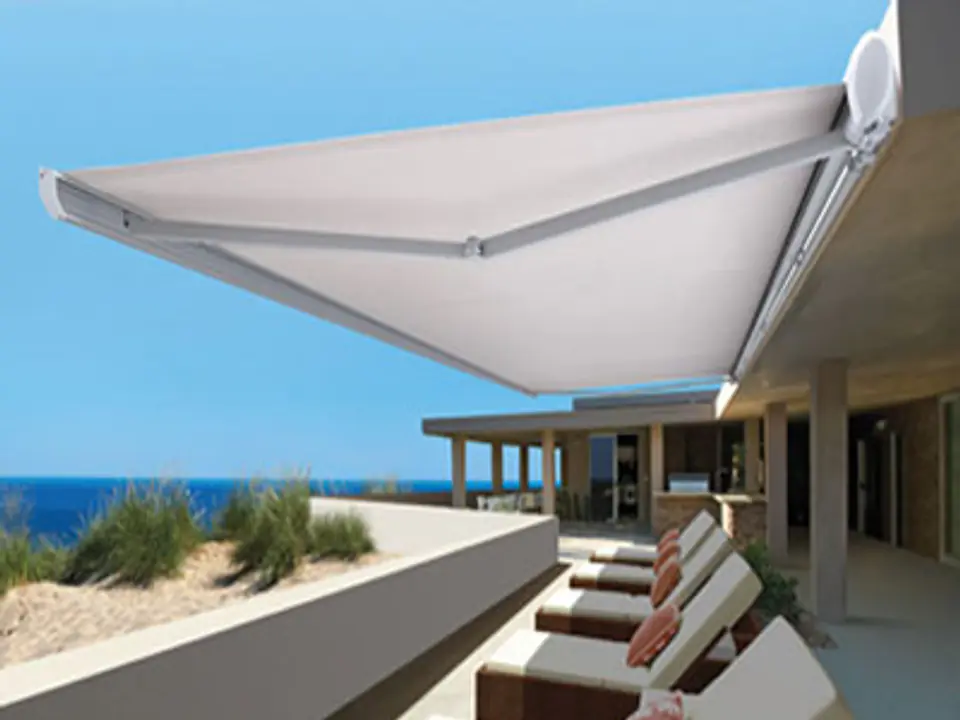
Retractable awning
Selection focus: Arm tension, torque margin, outdoor exposure and bracket strength
Buyer risk: Wind conditions and arm load require project-specific validation.
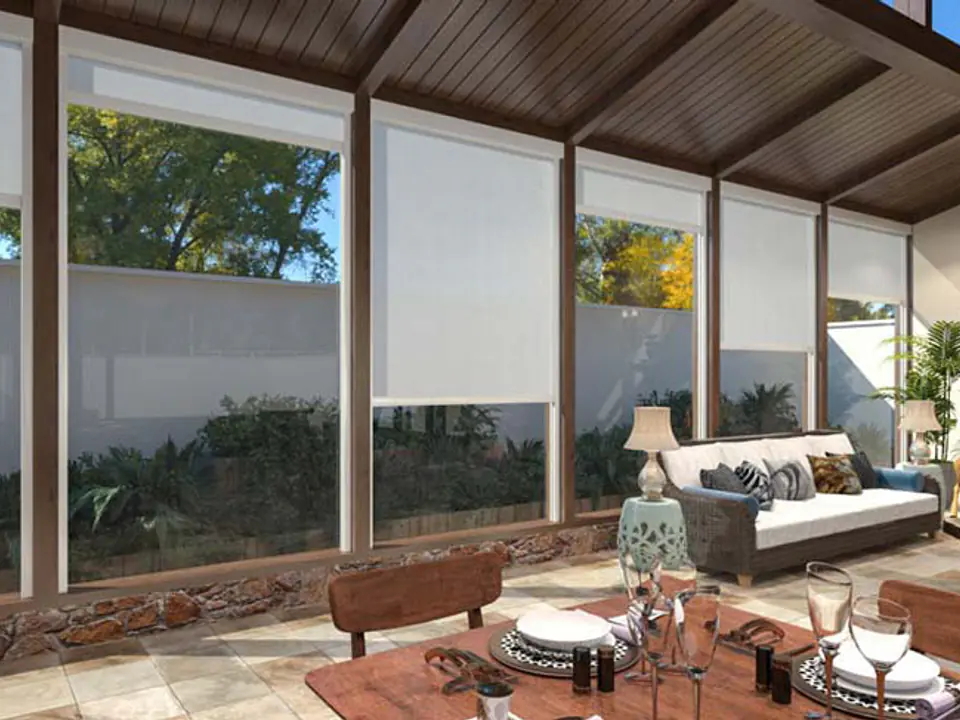
ZIP screen
Selection focus: Side-channel friction, fabric tension, control logic and outdoor duty
Buyer risk: A weight-only motor selection can miss friction and tension in the complete system.
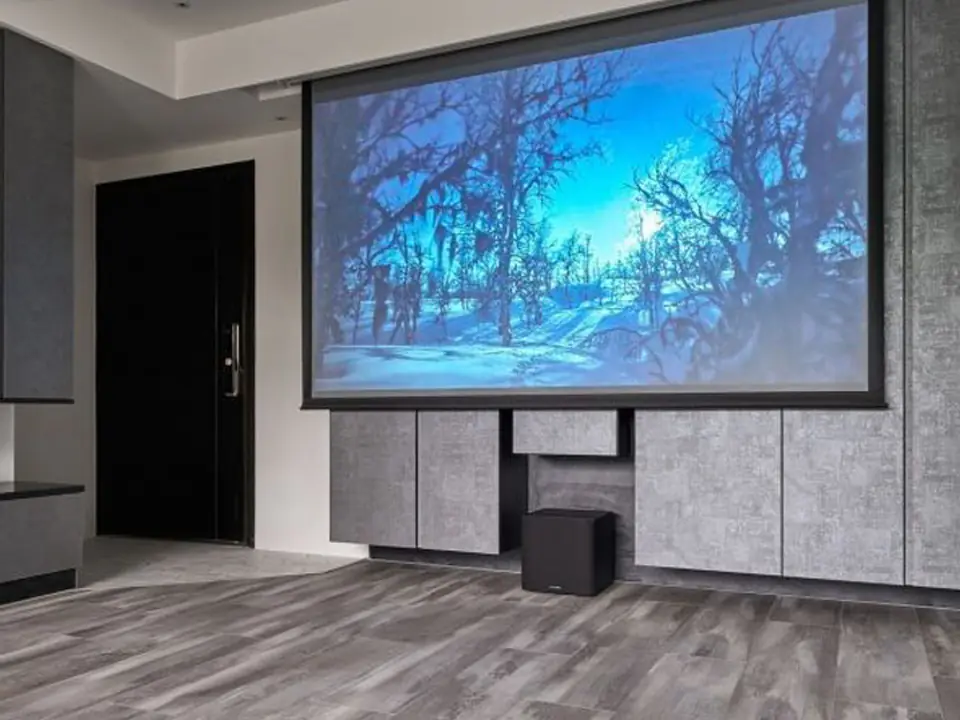
Projection screen
Selection focus: Smooth travel, low noise and repeatable upper and lower limits
Buyer risk: Small stop errors, vibration or noise are visible to the end user.
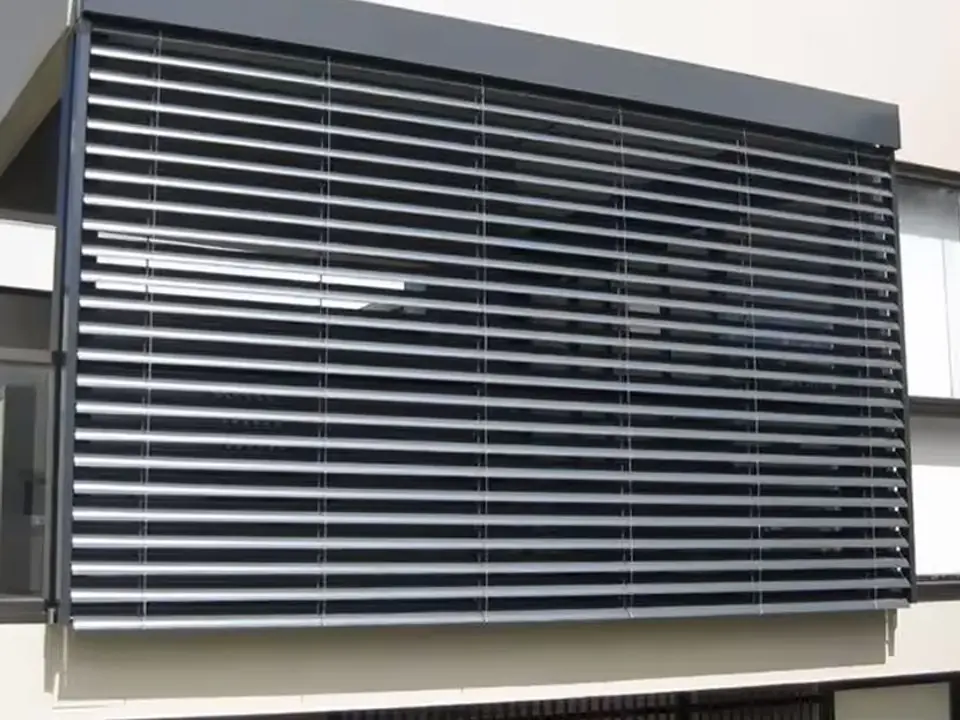
Venetian blind
Selection focus: System-specific lift, tilt behavior, control logic and accessory fit
Buyer risk: Confirm whether the mechanism needs lift, tilt or combined movement.
Application data buyers should collect
The minimum data set is simple: product type, finished width, finished height, tube diameter, tube profile, estimated moving weight, voltage, control method and order quantity. For shutters and screens, add guide rail condition, slat material, outdoor exposure and manual override requirement. For blinds, add noise expectation and remote or smart control requirement.
If the project is a replacement order, send photos of the old motor head, crown, drive wheel, bracket and label. If the project is a new OEM program, send drawings or samples of the tube, brackets and end caps. These documents prevent a motor from being technically correct but physically hard to install.
For importers, destination market information matters early. Voltage, frequency, plug, cable, labeling, manual language and certification files should be discussed before sample approval. Changing these items after tooling or packaging confirmation can delay the first order.
Real Walter motor examples
Motor platform comparison after application review
Diameter helps narrow the physical platform, but it does not select the finished motor. Use these real Walter motor photos only after the application, tube, torque, duty cycle, limit and control requirements are defined.
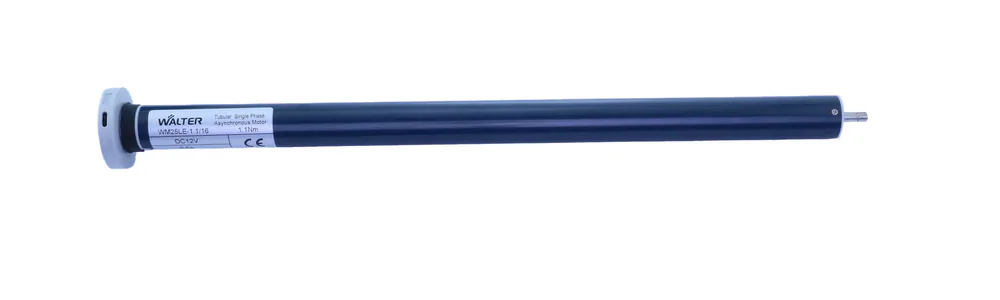
25 mm platform
Compact motor platform for smaller tube systems; final selection still depends on load, tube and control.
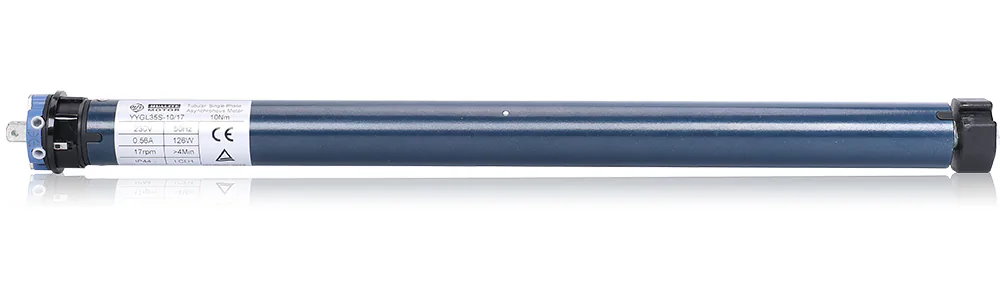
35 mm platform
A common compact platform for blind and screen projects when torque, tube and accessories match.
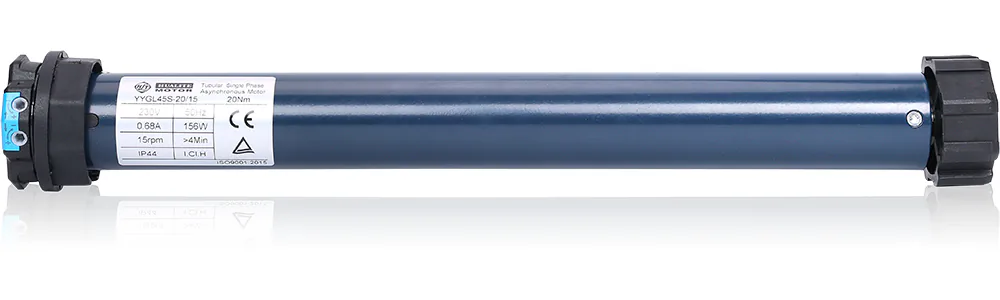
45 mm platform
A broader torque platform often evaluated for shutters and awnings after system data is confirmed.
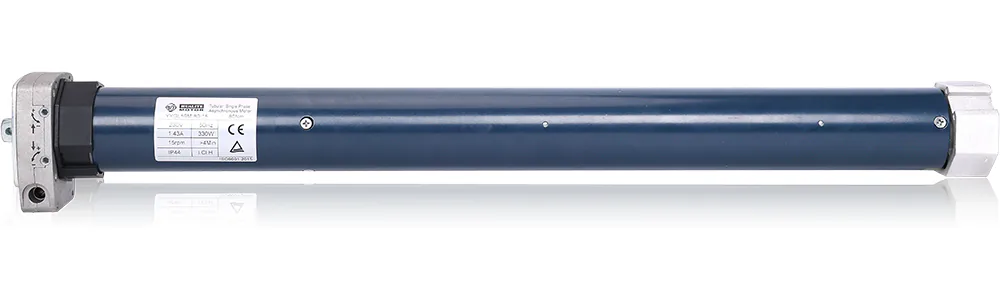
59 mm platform
A larger platform for heavier systems; it is not a substitute for load, duty-cycle and installation checks.
Procurement note: Platform diameter is not a torque rating or an application guarantee. Ask Walter to confirm the model and accessory set from complete project data.
Procurement mistakes to avoid
A common mistake is using one motor for every application because it simplifies purchasing. A simplified model range is useful, but only after the actual load and installation risks are known. Using the same motor across shutters, blinds and awnings can increase noise complaints, overheating, accessory mismatch or warranty disputes.
Another mistake is selecting torque from curtain weight alone. Tube diameter changes required torque, guide rail friction changes working load and safety margin changes long-term reliability. The right application selection should lead naturally into torque calculation, tube compatibility and duty cycle checks.
Buyers should also avoid treating control as a late accessory. Wired switch, RF receiver, smart gateway and building system integration can require different wiring, receiver design, limit behavior and documentation. Confirm the control method before placing a sample order.
- Do not request only motor diameter and price.
- Do not use a blind motor assumption for a shutter project.
- Do not ignore tube, bracket and drive wheel matching.
- Do not assume smart control is compatible without checking wiring and protocol.
- Do not approve samples before confirming market voltage and documentation.
Information to send Walter
Send Walter the application, dimensions, tube details, estimated load, voltage, control requirement, manual override need, certification requirement, sample quantity and target bulk order quantity. Add photos or drawings whenever possible. A complete RFQ lets the engineering and sales teams recommend a model and accessory package instead of sending a broad catalog.
For long-term OEM cooperation, include your packaging plan, label requirements, manual language, spare part needs and target price range. This keeps the discussion focused on a practical supply program rather than a single motor sample.
Application Match Review Before Sampling
Before asking for samples, separate the order by real use case: roller shutter, roller blind, awning, projection screen, pergola shade or another tubular system. Each application changes the load, tube size, expected noise level, duty cycle, control method and accessory package.
A good application review does not start with the motor diameter alone. It starts with what the finished product must do for the customer, how often it will move, where it will be installed and who will service it after sale.
- Confirm the finished product type and installation position.
- Record curtain, shutter or fabric size with estimated weight.
- Confirm indoor, outdoor, residential or commercial use.
- List the control method required by the end customer.
- Decide whether quiet operation, manual override or smart control is a priority.
Stock Range Planning for Importers
Importers should not stock every motor series equally. A practical range usually covers the most common tube diameter, voltage, torque band and control style in the local market, then keeps slower-moving items as project-order options.
The risk is not only dead stock. If a distributor stocks a motor without the matching crown, drive wheel, bracket, remote or manual language, installers may still treat the product as incomplete.
| Stock decision | Application signal | Procurement action |
|---|---|---|
| Core motor range | High-volume shutter or blind sizes | Keep regular inventory with matching accessories |
| Project range | Large shutter, awning or commercial system | Quote after checking load and duty cycle |
| Control options | Different installer habits by market | Stock the common switch or RF package |
| Manual override | Garage, shopfront or security shutter | Offer as a planned option, not a late change |
Photos and Drawings That Improve Selection
When the buyer is unsure which motor family is correct, photos and drawings often solve the problem faster than long text. Send the tube profile, end bracket, curtain or fabric detail, control panel and the space around the head of the motor.
For replacement or retrofit jobs, include the old motor label and accessory photos. The target may be to match an existing installation rather than design a new system from zero.
Selection RFQ Details Walter Needs
For application-based selection, write the RFQ around the finished product: product type, size, weight, tube, target market, voltage, control expectation, quantity and sample schedule. This lets Walter recommend a model and accessory set together.
If several applications are planned in one program, split them into rows. A roller shutter motor choice should not be hidden inside the same line as a quiet blind motor choice, because the approval criteria are different.
Related guide pages
Use these pages to complete the buying decision before requesting samples or a final quotation.
Ready for quotation
Send the application details before asking for final price.
A complete RFQ helps Walter recommend the right motor, accessories, control method and document package.

