
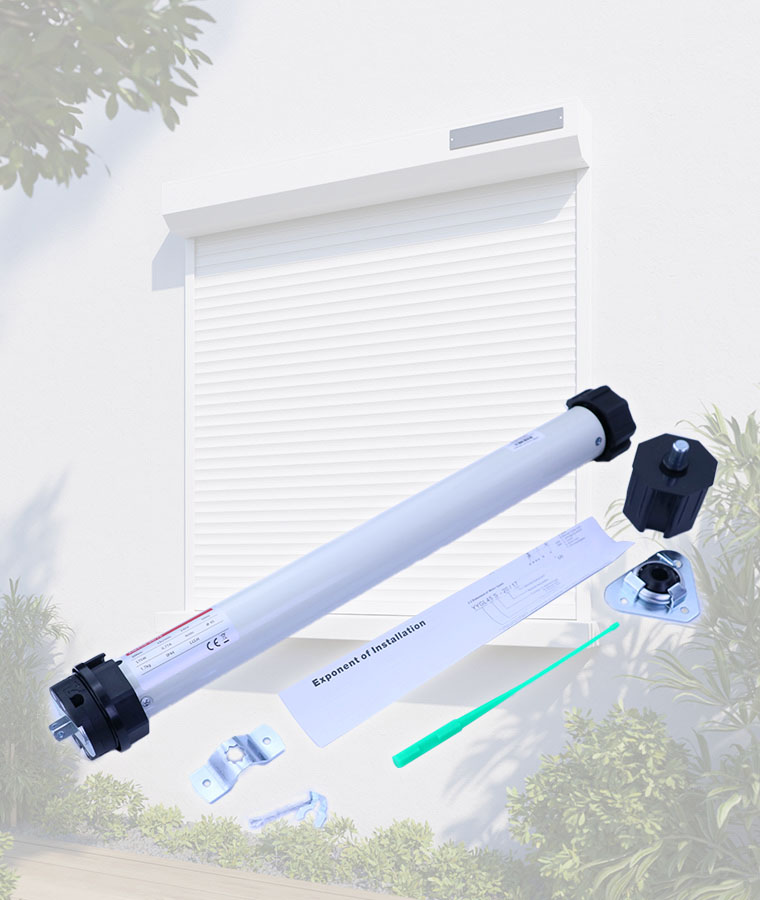
Limit system guide
Mechanical Limit vs Electronic Limit Systems
Limit systems decide where a shutter, blind or screen stops. A wrong limit choice can create installation delays, user complaints and after-sales cost. Mechanical and electronic limits both have valid uses. The right decision depends on application, installer skill, control method, required accuracy and service process.
Who this guide is for
OEM product managers, installers, distributors, engineering buyers and smart control customers use this page to make one buying decision clearer before requesting price, samples or OEM support.
The page is intentionally written as a procurement guide. It does not replace product datasheets, local electrical rules, final system testing or installer responsibility.
What a limit system does
A limit system tells the motor when to stop at the upper and lower positions. Without correct limits, a shutter can overrun, a blind can wrap incorrectly or a screen can stop in the wrong position. Limit setting is therefore a procurement and installation issue, not only a motor feature.
Mechanical limits are often adjusted by screws or buttons on the motor head. They are familiar, practical and easy to service in many traditional shutter and blind applications. Electronic limits can offer more convenient setting, memory functions or integration options depending on the model, but they require compatible controls and clearer instructions.
A buyer should not assume electronic limit is always better. It can be the right choice for certain projects, but mechanical limit remains suitable for many applications where installers value simple adjustment and predictable service.
Mechanical limit systems
Mechanical limit motors are widely used because they are simple, cost-effective and familiar to installers. They are often a good choice for standard roller shutters, blinds and awnings where smart position feedback is not required. The installer sets the upper and lower stop positions during installation.
The advantages are clear service logic and lower training burden. The risks are also clear: incorrect adjustment, poor access to the motor head and inconsistent installer practice can create limit errors. Mechanical limit motors should be paired with clear installation instructions and suitable access space.
For distributors, mechanical limit models can simplify stock if the same motor family covers many standard applications. The buyer should still confirm torque, tube, bracket and control compatibility.
| Limit type | Best fit | Main caution |
|---|---|---|
| Mechanical limit | Standard shutters, blinds and simple awnings | Requires physical adjustment access |
| Electronic limit | Projects needing convenient setup or compatible control logic | Must confirm control and reset method |
| Electronic limit with receiver | Remote control or group control projects | RF brand and remote compatibility must be checked |
| Special control systems | Smart home or building integration | Position feedback may be limited unless designed for it |
Electronic limit systems
Electronic limit motors can reduce some installation steps and support control features depending on the model. They may be useful when the buyer wants remote setting, group control, obstacle-related functions or integration with a compatible receiver. The exact feature set must be confirmed by model.
The main risk is expectation mismatch. Some buyers expect every electronic limit motor to provide percentage position feedback, smart home compatibility or automatic obstacle protection. These functions depend on the motor, receiver, controller and system design. They should not be assumed from the word electronic alone.
Electronic limit models also require a clear reset and service process. If an installer or end user cannot reset limits correctly, after-sales support becomes more difficult. For OEM customers, manuals and training materials should be approved with the sample.
How buyers should choose
Choose mechanical limit when the project needs a simple, familiar, serviceable motor for standard applications and physical access is acceptable. Choose electronic limit when the project benefits from easier setting, compatible control features or a more advanced user experience. Always check whether the installer and after-sales team can support the selected system.
For smart control projects, limit system and control compatibility should be discussed together. A motor may move from open to close, but still not provide the position feedback or integration logic a smart home brand expects. Confirm wiring, receiver type, protocol, remote control range and reset method before sample order.
For commercial shutter projects, limit accuracy is only one part of the risk. Brake, manual override, duty cycle, installation quality and safety protection should also be reviewed.
- Confirm who will set limits during installation.
- Check whether the motor head remains accessible.
- Confirm remote, receiver or smart control compatibility.
- Approve reset instructions and user manual wording.
- Test upper and lower stops with the real system.
Information to send Walter
Send the application, control method, preferred limit type, installer skill level, market, manual language, tube details and any smart control requirement. If replacing an existing motor, send the old motor label and controller information.
Walter can help compare mechanical and electronic limit options for the same application. The best quotation should explain why a limit type is recommended, not only list a model number.
Limit Setting Test Before Bulk Order
The limit system should be tested by the people who will actually install or service the product. Mechanical limits, electronic limits and remote-set limits can all work well, but they create different training needs and service procedures.
During sample approval, test the full open and full close positions several times. Confirm that installers can adjust the limits without damaging the product, opening unnecessary covers or misunderstanding the instruction sequence.
- Set upper and lower limits on the real product.
- Reset the limits and repeat the process.
- Check limit stability after several full travel cycles.
- Confirm whether power interruption changes the setting.
- Verify that the manual explains the exact limit system supplied.
Installer Access and Reset Process
A limit system that is easy on the workbench may be difficult after the product is installed near a ceiling, inside a shutter box or behind a decorative cover. Buyers should confirm whether adjustment tools or buttons remain accessible in the final installation.
For after-sales teams, the reset process matters as much as the first setting process. If a customer changes fabric, tube or travel height, the service team must know how to adjust the limits again.
Mechanical vs Electronic Limit Decision Record
Mechanical limit systems are often valued for direct adjustment and simple service logic. Electronic limit systems may support more advanced control functions, but the buyer must approve the control method and instruction process together.
Record the reason for choosing the limit type. The decision may depend on installer habits, project scale, customer expectation, control accessories and local service capability.
| Decision factor | Mechanical limit | Electronic limit |
|---|---|---|
| Installer training | Familiar tool-based adjustment | Requires correct sequence or controller |
| Service access | Adjustment points must be reachable | Reset method must be understood |
| Control features | Usually simpler | May support advanced control behavior |
| Project risk | Good for standard service teams | Good when system features justify training |
Limit System RFQ Details Walter Needs
State whether the market prefers mechanical limit, electronic limit or remote-set limit. Also send the product type, travel height, control method and installer skill level if the order is for a project or OEM program.
If the buyer has a current instruction manual or competitor sample, share it for comparison. The goal is to avoid switching to a limit system that installers in the market do not expect.
Related guide pages
Use these pages to complete the buying decision before requesting samples or a final quotation.
Ready for quotation
Send the application details before asking for final price.
A complete RFQ helps Walter recommend the right motor, accessories, control method and document package.

