
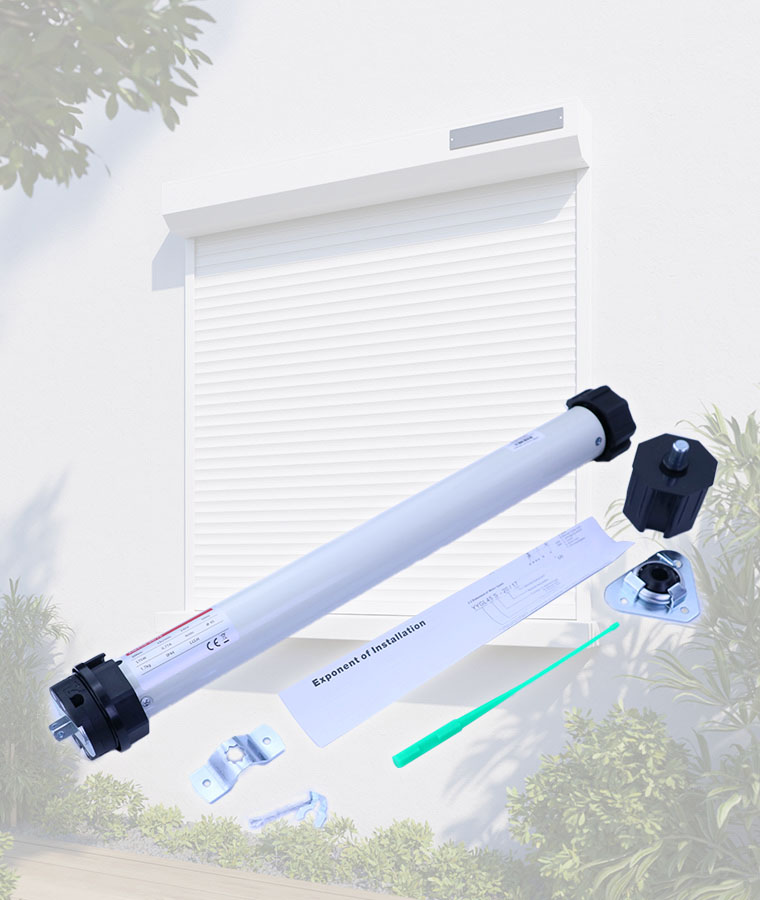
Tubular Motor Procurement Support
Tubular Motor Buying Guide for Professional Buyers
A practical service guide for importers, distributors, OEM buyers and project purchasers choosing tubular motors for shutters, blinds, awnings, zip screens and automated shade systems.
Buyer decision path
Use this guide before choosing a motor model or asking for final price.
Professional buyers need more than a product catalog. The right tubular motor depends on application, torque, tube fit, limit system, manual operation, safety logic, duty cycle, control compatibility, market compliance and supplier support.
Application, load and tube
Choose the right system
Start with application, load, tube, bracket, limit system and control method before comparing model numbers.
Safety, limit system and control
Reduce project risk
Check manual override, safety protection, duty cycle, thermal behavior, certification documents and installation assumptions.
Sample, documents and bulk order
Prepare a better RFQ
Send drawings, photos, dimensions, control expectations, destination market and OEM requirements so the recommendation is specific.
Buying role guide
Find the right guide by your buying role.
Use this quick map if you already know your role in the project. It helps buyers go directly to the pages that answer their most urgent purchasing questions.
| Buyer Role | Main Concern | Recommended Pages |
|---|---|---|
| Importer / Distributor | Which motor range to stock and how to reduce after-sales risk | Selection by Application, Certifications, OEM Supplier Checklist |
| Roller Shutter Manufacturer | Torque, tube fit, accessories and limit setting | Torque Calculation, Tube Compatibility, Limit Systems |
| Blind / Shade Brand | Quiet operation, smart control, battery or RF options | Selection by Application, Control Compatibility |
| Project Contractor | Safety, manual override, reliability and compliance | Manual Override, Safety Protection, Duty Cycle |
| OEM Buyer | Stable batches, private label, packaging and documents | OEM Supplier Checklist, Certifications |
| Installer / After-sales Team | Wiring, limits, accessories and troubleshooting | Control Compatibility, Limit Systems, Tube Compatibility |
Ten procurement pages
Each page answers one decision buyers make before samples or bulk order.
The content is written to support existing Walter Motor product, service, certification and factory pages without duplicating them. The focus is practical purchasing judgment.

Selection by Application
A practical application-based guide for choosing tubular motors for roller shutters, blinds, awnings, zip screens, projection screens and OEM projects.
Open guide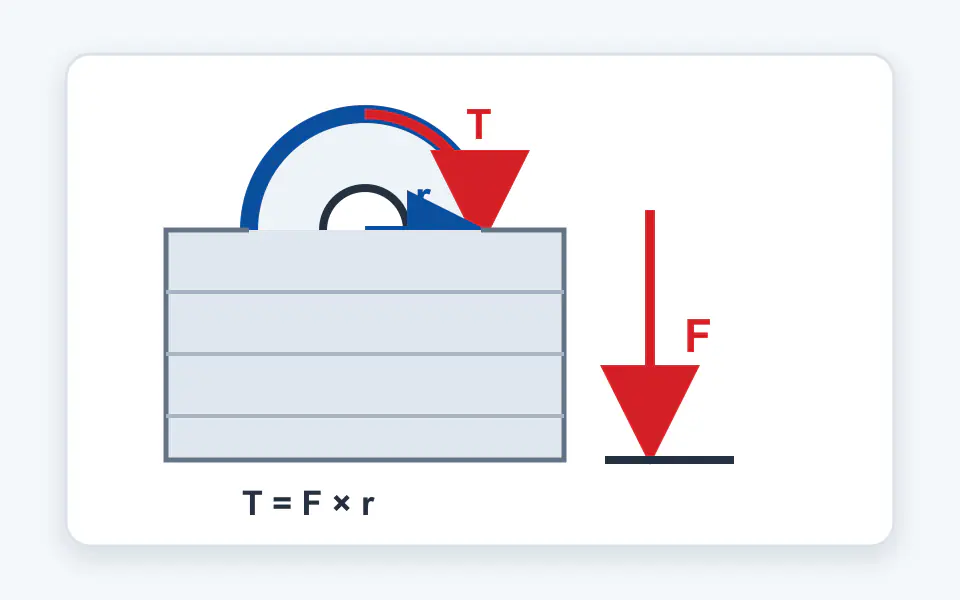
Torque Calculation
A buyer-focused guide to estimating tubular motor torque from curtain weight, tube diameter, friction, travel height and project safety margin.
Open guide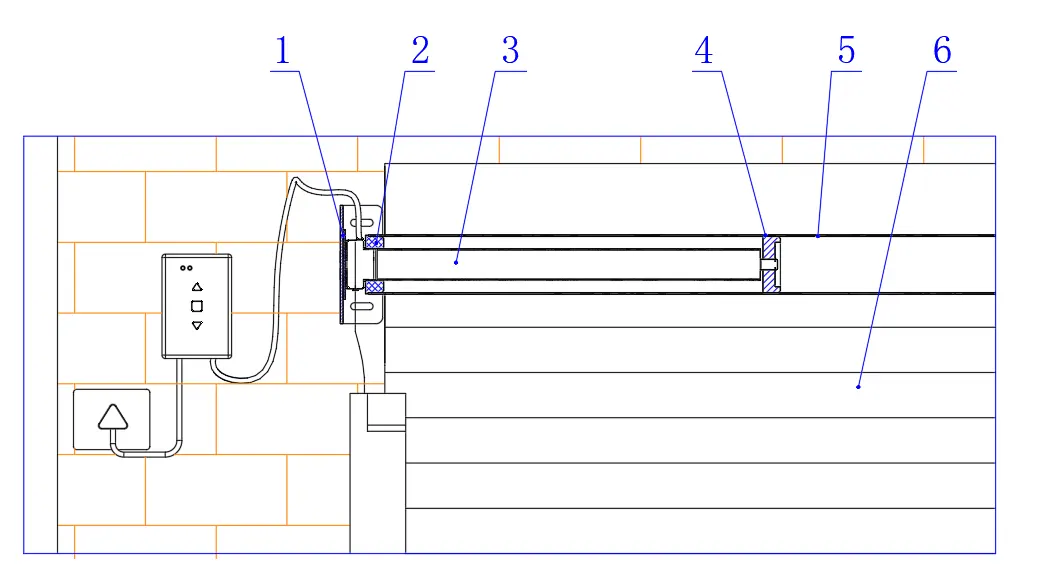
Tube and Bracket Compatibility
A compatibility guide for matching tubular motors with tube profiles, crowns, drive wheels, brackets, adapters and installation hardware.
Open guide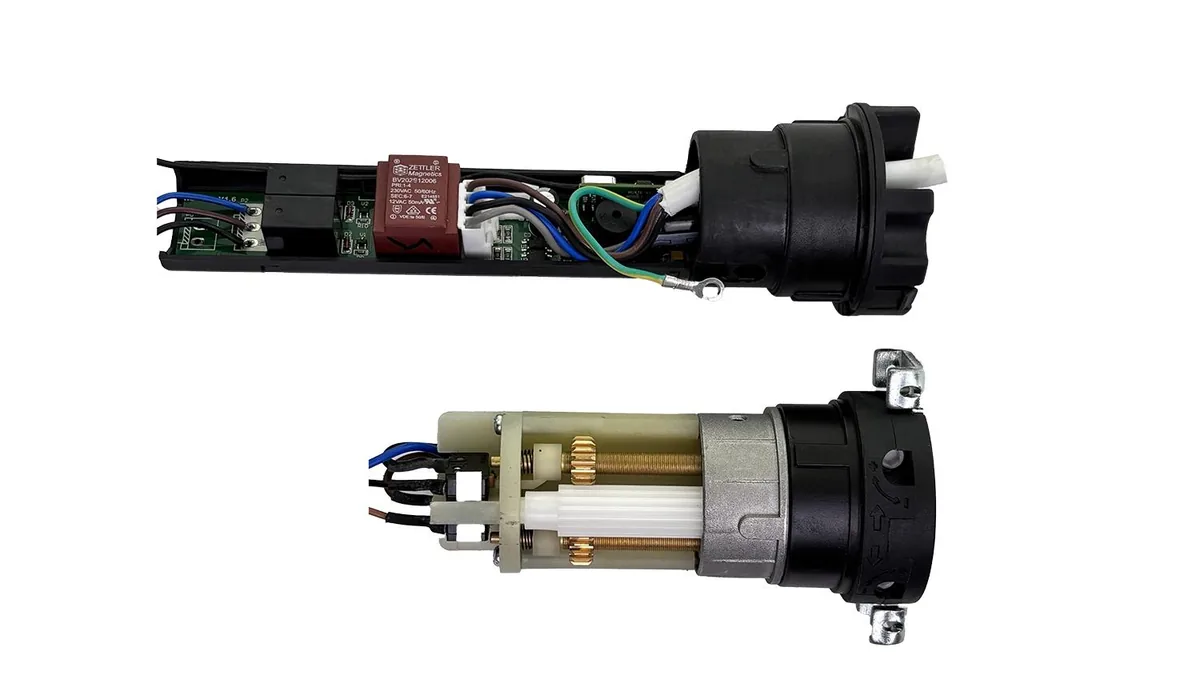
Limit Systems
A guide to choosing mechanical limit or electronic limit tubular motors based on installation, control, repeatability, service and project risk.
Open guide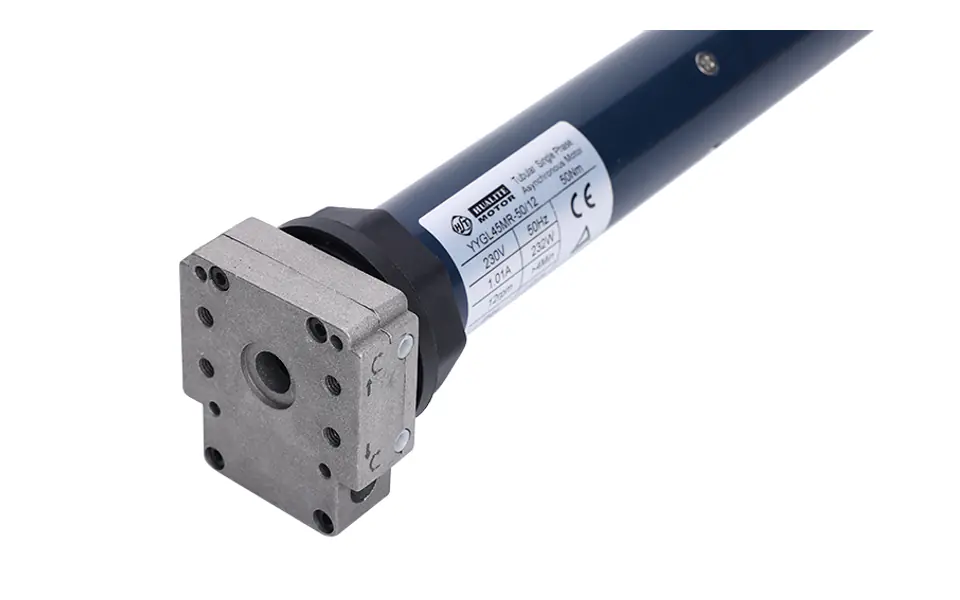
Manual Override
A guide to deciding when manual override is required, optional or not recommended for tubular motor projects during power failure.
Open guide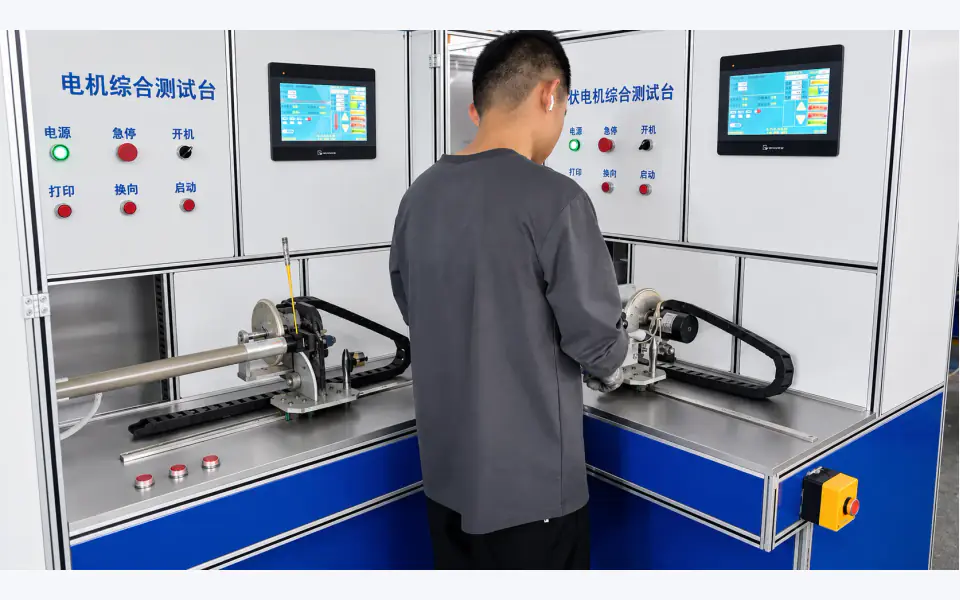
Safety Protection
A cautious procurement guide to brake function, limit protection, thermal protection, obstacle detection and system-level safety for tubular motor projects.
Open guide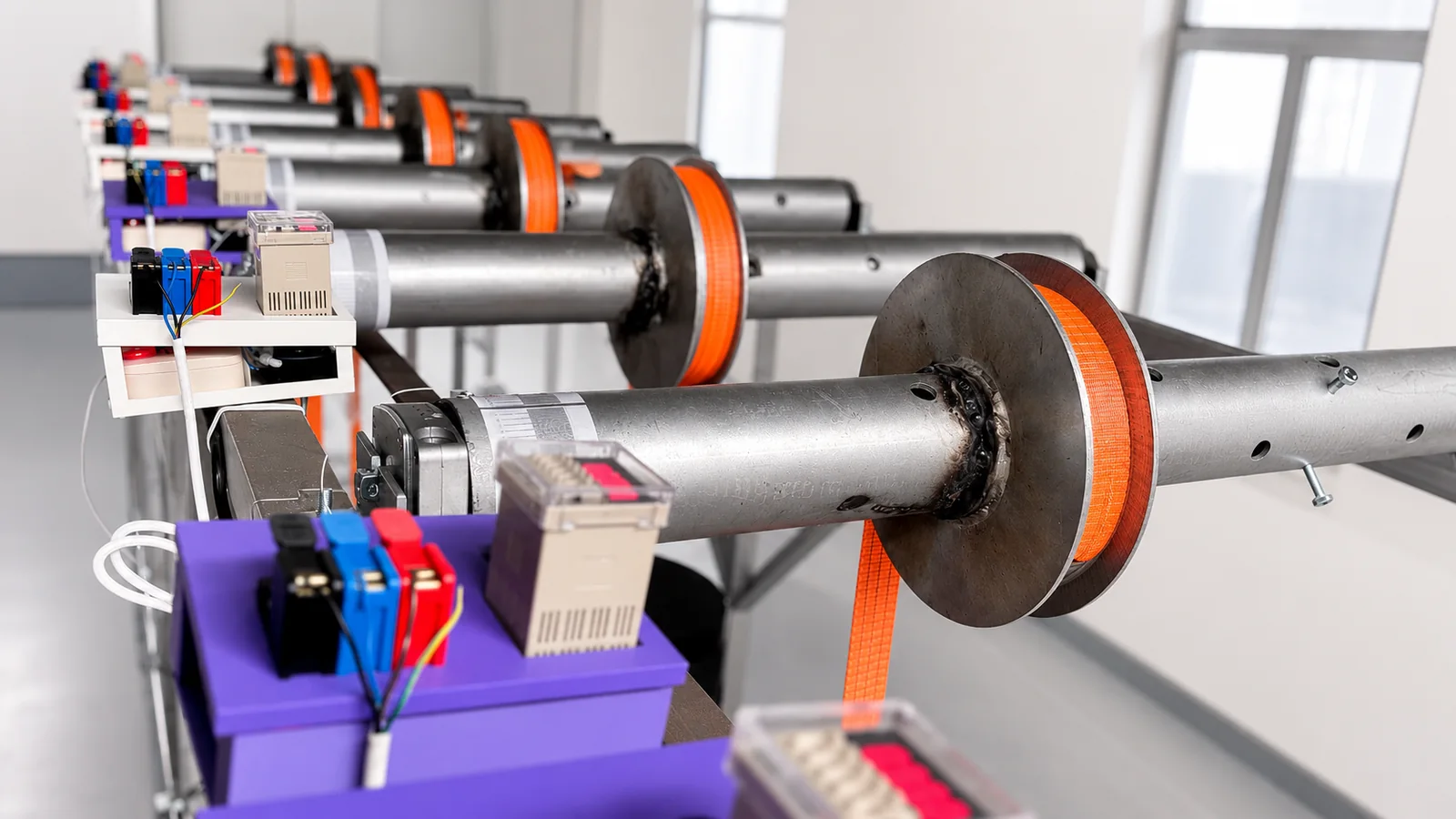
Duty Cycle and Service Life
A reliability guide explaining duty cycle, thermal protection, service-life factors, sample testing and procurement questions for tubular motors.
Open guide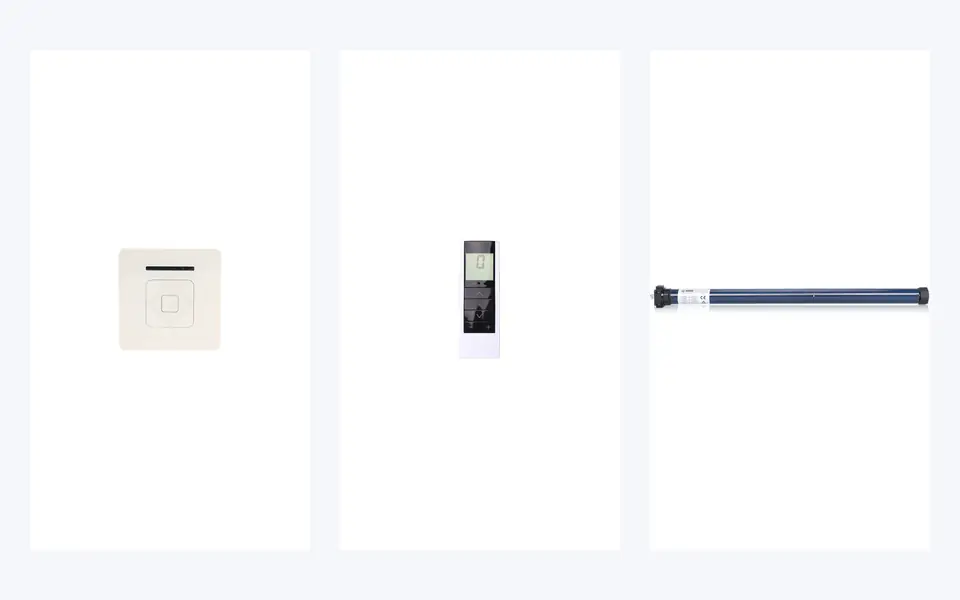
Control Compatibility
A buyer guide to confirming switch, remote, RF receiver, WiFi, Zigbee, Z-Wave, Matter, KNX and building control compatibility for tubular motors.
Open guide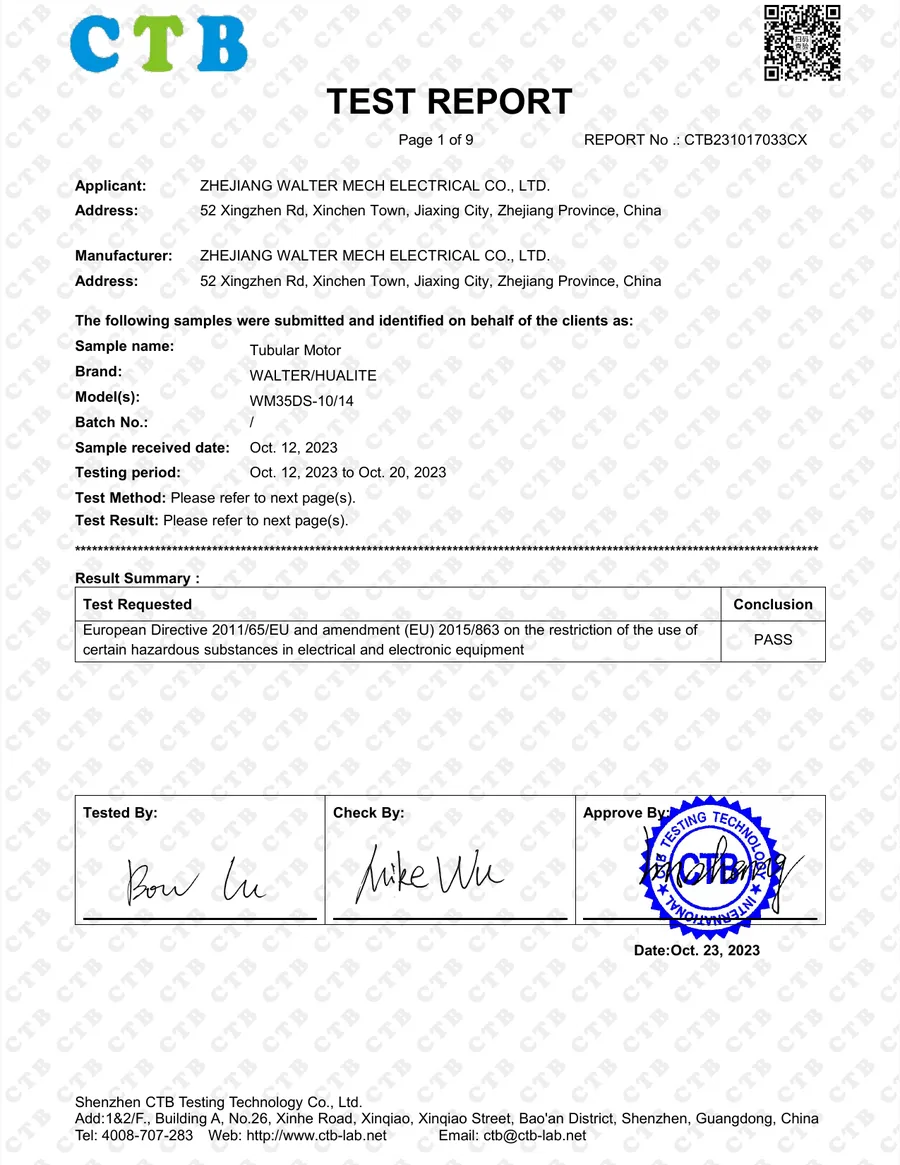
Certifications
A procurement guide explaining certification documents, test reports, declarations, labels and market compliance checks for tubular motor buyers.
Open guide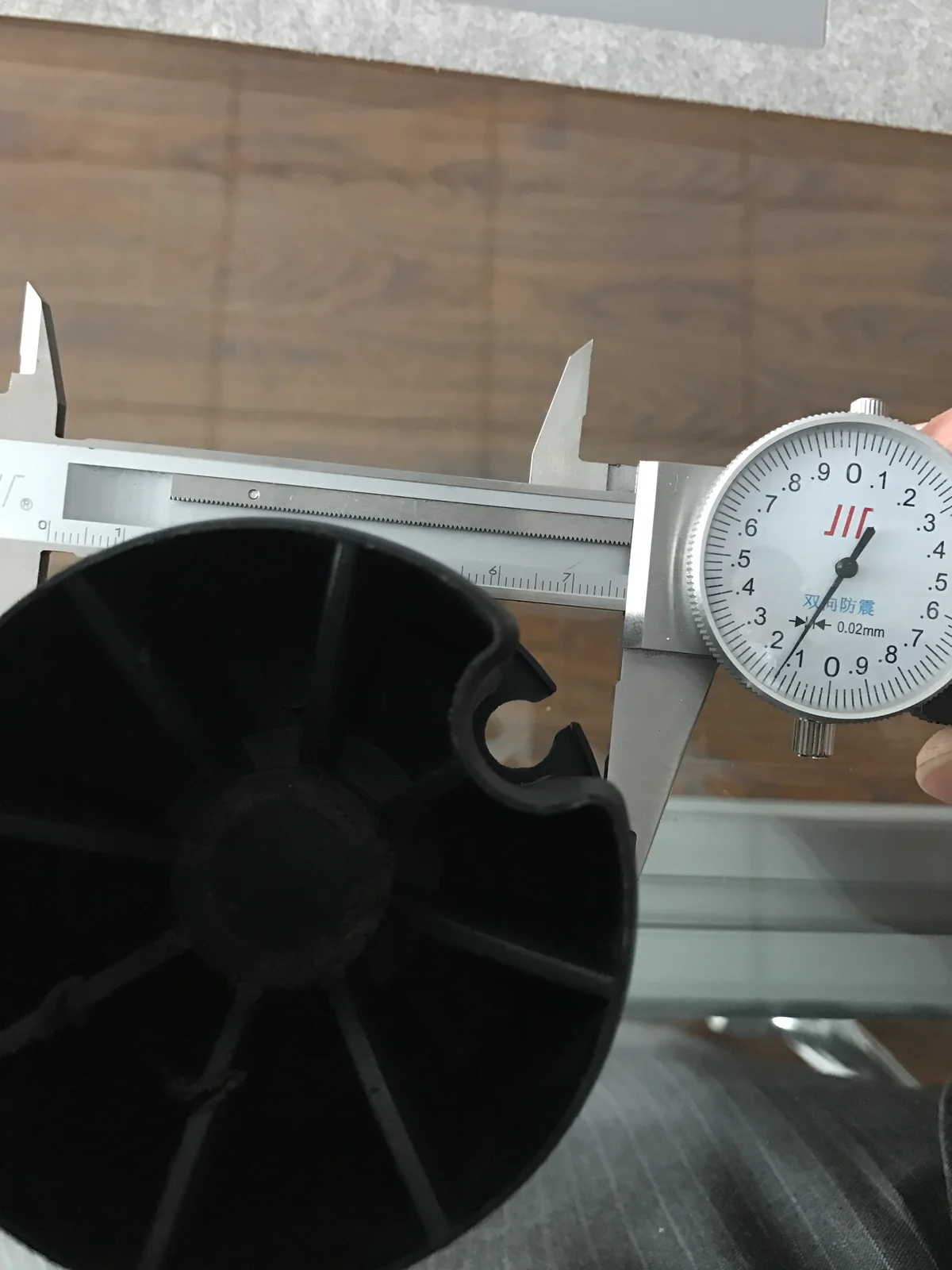
OEM Supplier Checklist
A professional checklist for evaluating tubular motor suppliers for OEM, private label, distribution and long-term supply programs.
Open guideRecommended first review
Start with the pages most likely to influence RFQ quality.
For most buyers, the fastest path is torque calculation, control compatibility and OEM supplier evaluation. Then review application, tube compatibility, limit systems, certifications, manual override, safety and duty cycle.
First pages to check
What to send with an RFQ
- Application, finished width and finished height.
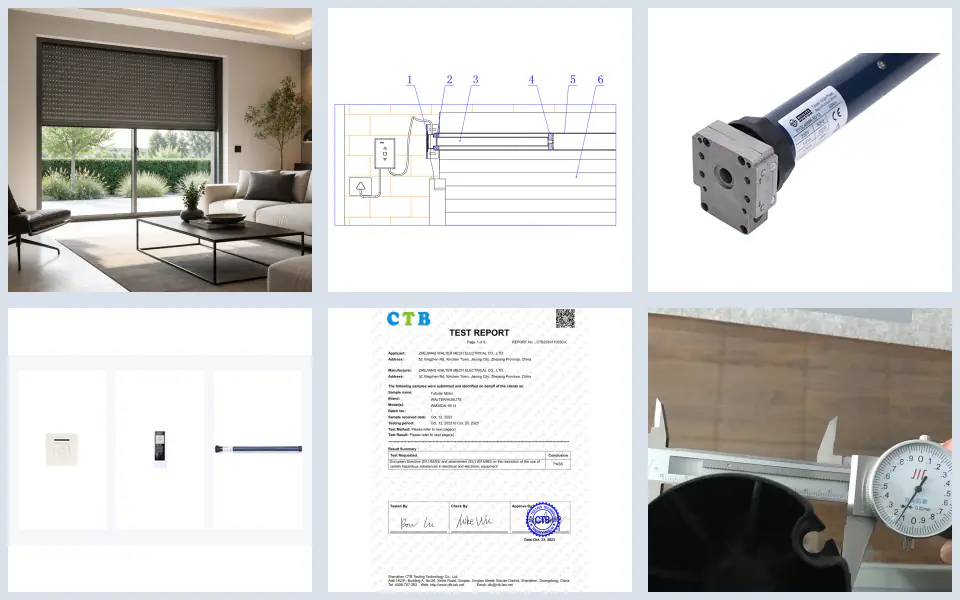
- Tube diameter, tube profile, bracket and accessory photos.
- Estimated load, voltage, frequency and control method.
- Manual override, certification, label and packaging requirements.
- Sample quantity, target market and expected annual order volume.
Ready for quotation
Send a complete tubular motor RFQ for a cleaner recommendation.
Include application, tube, load, voltage, control method, accessories, market and OEM details.

