
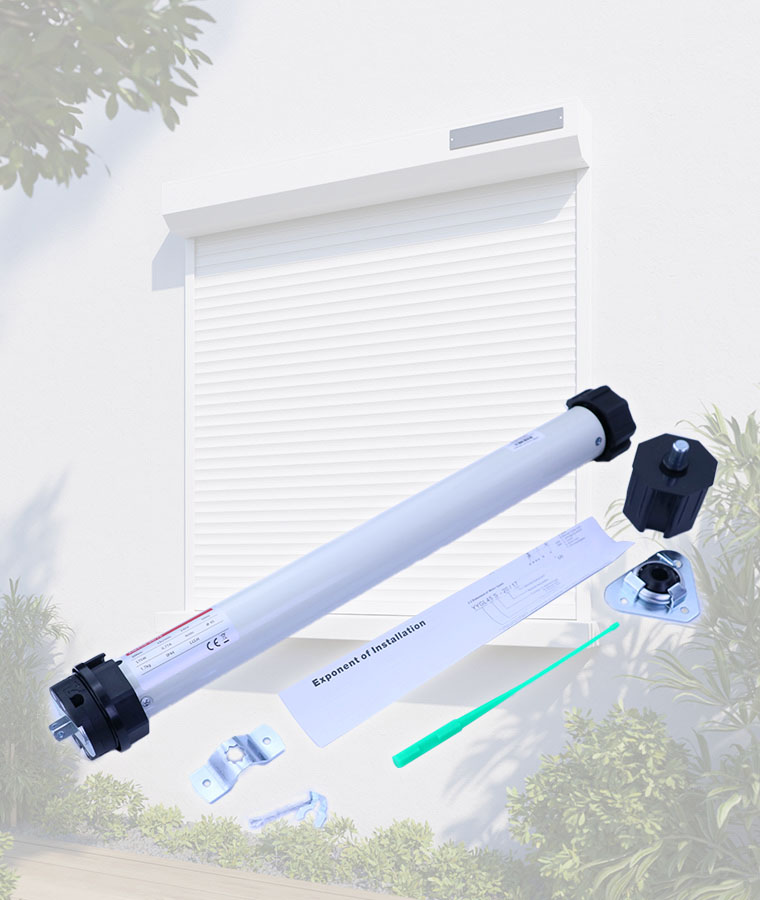
Compatibility guide
Tube, Crown, Drive Wheel and Bracket Compatibility
A tubular motor can be electrically correct and still fail the project if the tube, crown, drive wheel or bracket does not fit. Compatibility is a physical system issue. Professional buyers should check these parts before confirming samples, especially when changing tube suppliers or adapting a motor to an existing shutter or blind line.
Who this guide is for
Assemblers, installers, OEM buyers, distributors and project engineers use this page to make one buying decision clearer before requesting price, samples or OEM support.
The page is intentionally written as a procurement guide. It does not replace product datasheets, local electrical rules, final system testing or installer responsibility.
Compatibility is more than motor diameter
Motor diameter is only the beginning. The motor body must fit inside the tube, but the crown must match the tube profile, the drive wheel must transmit torque cleanly and the bracket must hold the motor head in the correct position. If one part is wrong, the system can vibrate, slip, make noise or become hard to service.
Many procurement problems start when a buyer assumes that a 35mm or 45mm motor is universal. Tube profiles vary by market and manufacturer. Bracket slots, head shape, cable exit and end cap clearance also vary. A drawing or sample is often more reliable than a verbal tube description.
Compatibility should be confirmed during sample approval, not after bulk shipment. A correct sample set should include motor, crown, drive wheel, bracket, adapter if needed, remote or switch if relevant and installation notes.
Parts that must be checked together
The crown supports the motor at the tube end and helps the limit system read tube rotation correctly. A loose crown can affect limit accuracy and create noise. The drive wheel transfers motor torque to the tube. A poor drive wheel fit can cause slip, wear or shock load. The bracket carries the motor head and must match the project structure.
Cable exit direction is also important. In a tight head box, the cable path can interfere with the bracket or cover. For manual override motors, crank path and head clearance must be checked. For smart or receiver motors, antenna position and receiver space may affect performance.
For OEM customers, packaging must protect accessories and prevent mixing. A motor that ships with the wrong crown or bracket creates a field problem even if the motor itself passes inspection.
| Part | Compatibility check | Risk if ignored |
|---|---|---|
| Tube | Inner diameter, profile, wall thickness and length | Motor cannot insert or rotates poorly |
| Crown | Matches tube profile and limit system needs | Limit drift, noise or loose support |
| Drive wheel | Correct shape and engagement depth | Slip, wear or torque shock |
| Bracket | Matches motor head and installation structure | Unsafe mounting or rework |
| Adapter | Needed when tube or bracket is non-standard | Unstable assembly |
| Cable path | Exit direction and strain relief | Pinched cable or installation delay |
When compatibility changes
Compatibility should be rechecked whenever the tube supplier changes, the shutter profile changes, a different motor family is selected, the project moves to another market or the customer requests a new control option. Even a small packaging or accessory change can affect installation.
Replacement projects require special care. Existing brackets may not match the new motor head. Old tubes may be worn or non-standard. The buyer should send photos and dimensions before assuming a new motor can be installed without adapters.
For distributors, the goal is to balance coverage and simplicity. Stocking too many accessories creates confusion, but stocking too few can make installers improvise. A compatibility chart for the approved motor and tube combinations is usually the best solution.
Buyer checklist before ordering
Before ordering samples, confirm the tube drawing, crown drawing, drive wheel drawing, bracket drawing and motor head type. If drawings are not available, send physical samples or clear photos with dimensions. Walter can then recommend a standard accessory or discuss a custom option.
During sample testing, install the motor with the real tube and bracket. Check insertion, alignment, drive engagement, cable exit, limit setting, noise and service access. Do not approve a motor based only on bench running.
For bulk orders, define accessory packing rules. The purchase order should state which crown, drive wheel and bracket are included, whether accessories are packed per motor or separately and what label identifies the accessory set.
- Tube inner diameter and profile confirmed.
- Crown and drive wheel matched to the actual tube.
- Bracket matched to motor head and structure.
- Cable exit and head box clearance checked.
- Accessory packing and labels defined for bulk orders.
Information to send Walter
Send tube drawings, bracket drawings, accessory photos, motor head preference, installation photos, cable exit requirement and target order quantity. For OEM programs, include whether you need private label accessories, customized packaging or a compatibility chart for installers.
If you are unsure which accessory is currently used, ship a sample tube and bracket or send precise photos with a ruler. Physical matching is often faster and safer than guessing from a tube name.
Tube and Accessory Fit Test
Tube compatibility should be approved as a physical fit, not only as a catalog note. The crown must sit correctly in the tube, the drive wheel must transfer torque without slipping and the bracket must hold the head securely in the final installation position.
If the buyer uses more than one tube supplier, test the accessory set with each tube profile. Small profile differences can create noise, looseness or assembly difficulty.
- Insert crown and drive wheel into the actual tube profile.
- Check axial play and visible looseness after assembly.
- Confirm bracket hole position and head clearance.
- Run the motor under load to listen for accessory noise.
- Mark the approved crown, drive wheel and bracket codes.
Crown, Drive Wheel and Bracket Approval Records
For repeat orders, accessory codes should be controlled as carefully as the motor model. If a purchasing order says only motor quantity, a warehouse may ship a different crown or bracket that looks similar but does not fit the customer’s tube.
Attach photos or drawings to the approval record. This helps purchasing, engineering and after-sales teams identify the correct accessory when the same customer reorders months later.
| Accessory | Approval detail | Risk if missed |
|---|---|---|
| Crown | Tube profile and outside diameter | Motor may sit off-center or create noise |
| Drive wheel | Torque transfer and profile engagement | Slipping or poor movement under load |
| Bracket | Head shape, hole position and fixing method | Installation delay or unsafe support |
| Adapter | Special tube or retrofit condition | Unexpected field modification |
Retrofit Compatibility Risks
Replacement projects need extra care because the buyer may be trying to fit a new motor into an old tube, old bracket or limited head space. The most important evidence is usually the old motor label, head photo, tube photo and bracket photo.
If the existing system uses unusual accessories, treat the order as a compatibility project rather than a standard motor purchase. A small adapter difference can cause more service cost than the motor price difference.
Accessory RFQ Details Walter Needs
Send tube outside diameter, tube profile drawing, bracket photos, end cap condition, installation space and required motor head orientation. If the project is a replacement, include old motor and accessory photos.
For OEM programs, confirm whether the buyer wants accessory sets packed with each motor or bulk packed separately. This changes installation efficiency and warehouse control.
Related guide pages
Use these pages to complete the buying decision before requesting samples or a final quotation.
Ready for quotation
Send the application details before asking for final price.
A complete RFQ helps Walter recommend the right motor, accessories, control method and document package.

