
Tubular motor reduction system
Tubular Motor Gearbox for Reliable Torque, Quiet Operation and Long Service Life
For Walter Motor, the gearbox is not positioned as a loose replacement part. It is an internal reduction system engineered together with the stator, rotor, brake, limit system, tube adapters and final motor assembly. This page explains how gearbox design affects torque output, noise level, service life and batch consistency for OEM tubular motor programs.
What Is a Tubular Motor Gearbox?
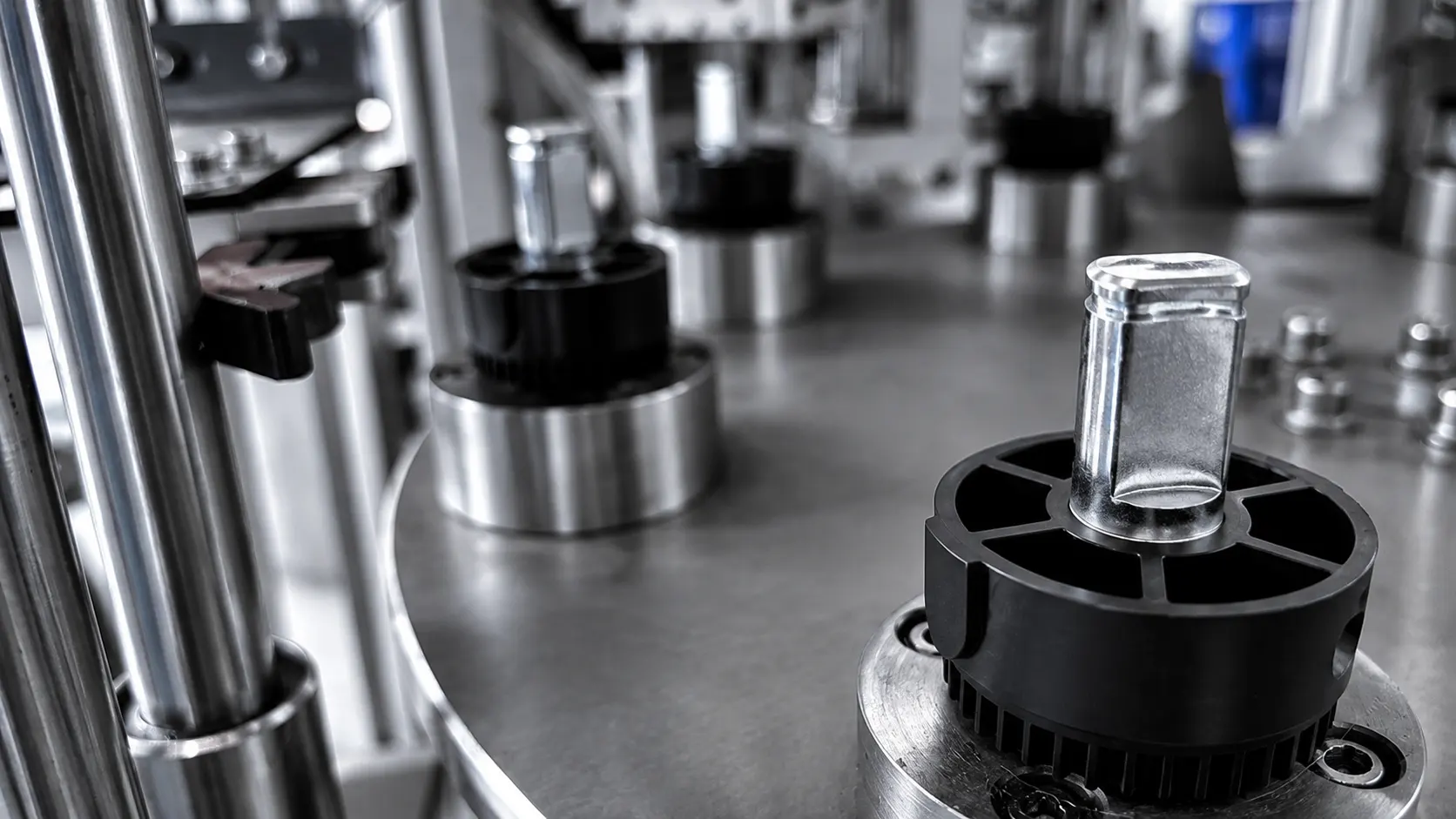
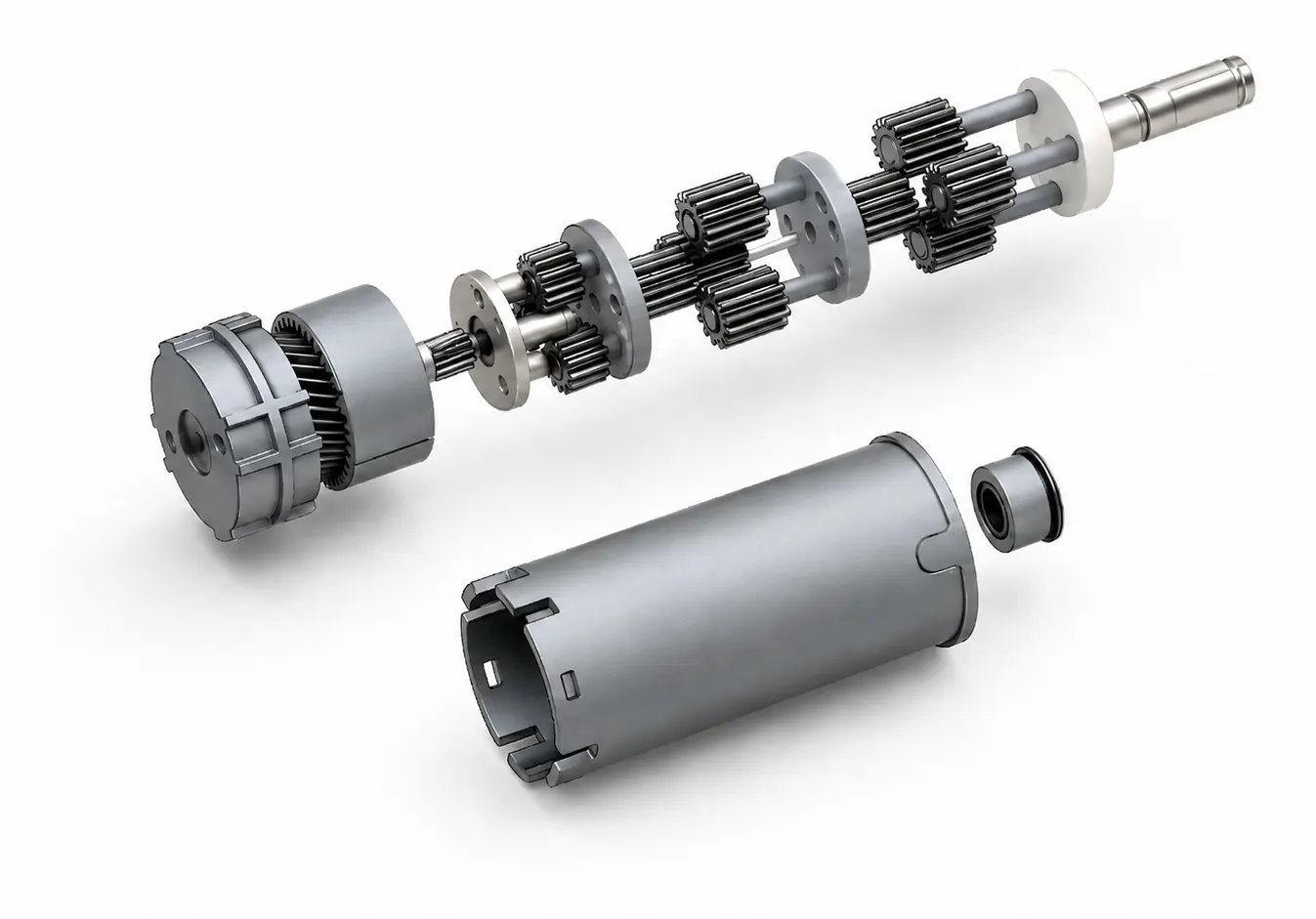
A tubular motor gearbox is the reduction mechanism inside the motor assembly. The electric motor runs at a higher speed than the tube can use directly, so the reduction system lowers speed and increases usable torque. In a roller shutter motor gearbox, this conversion must happen inside a narrow cylindrical body while keeping the motor stable, quiet and repeatable across production batches.
In practical purchasing terms, the gearbox determines how smoothly the tube starts, whether the motor has enough force at the selected speed, how the system sounds in a quiet room, and how well it tolerates repeated daily operation. Walter evaluates gearbox performance together with motor diameter, torque version, limit system, brake design, crown and drive wheel matching, and the final application. For a deeper view of the complete assembly, see inside a tubular motor.
For OEM buyers
The important question is not whether a supplier has a gear set. It is whether the complete motor and reduction system can deliver the required torque, speed, noise level and life target with stable production quality. This is why Walter discusses gearbox performance as part of motor selection, not as an isolated component sale.
Why Gearbox Quality Matters in Tubular Motors
Gearbox quality directly affects the customer experience after installation. A roller shutter factory may see the issue as uneven lifting, abnormal sound, early wear, backlash or motor overheating. A roller blinds manufacturer may see it as vibration, harsh start-up noise or inconsistent speed between units. An awning supplier may face higher load and longer travel, so gearbox strength and lubrication stability become more important.
For B2B supply, gearbox quality also affects batch consistency. OEM customers do not only need one good sample. They need repeatable output across hundreds or thousands of motors, with controlled noise, stable torque, consistent limit operation and predictable service life. Walter therefore treats the tubular motor reduction system as part of the complete production and inspection process at the Walter tubular motor factory.
Torque delivery
Gear reduction must transfer output without slipping, excessive wear or shock load in normal application conditions.
Running sound
Gear mesh, material, alignment and lubrication all influence motor sound in blinds, shutters and screens.
Service life
Stable material quality and assembly control help the motor maintain performance over repeated cycles.
Gearbox Design for Different Motor Diameters
Motor diameter changes the available internal space, torque target, heat behavior and expected application. A 25mm roller blinds motor gearbox is not designed with the same margin as a high torque 59mm tubular motor for commercial shutters. Walter selects the motor family and reduction approach according to the tube system, load, speed and control requirement.
| Diameter system | Typical application focus | Gearbox design priority | Buyer note |
|---|---|---|---|
| 25mm Gearbox System | Small roller blinds, compact shade systems, light-duty applications. | Compact layout, low noise and smooth operation in narrow tubes. | Best reviewed with tube size, fabric weight and control requirement. |
| 35mm Gearbox System | Residential blinds, light shutters, projection screens and smaller shade systems. | Balance between compact body size, moderate torque and quiet running. | Confirm whether the application is blind-focused or shutter-focused before sampling. |
| 45mm Gearbox System | Standard roller shutters, awnings, zip screens and heavier blinds. | Stable torque, mature accessory matching and consistent batch production. | See the 45mm tubular motor for roller shutters. |
| 59mm Gearbox System | Heavy roller shutters, commercial shutters and large awnings. | High torque capacity, stronger load margin and durable reduction design. | See the high torque 59mm tubular motor. |

Gearbox, Torque and Speed Matching
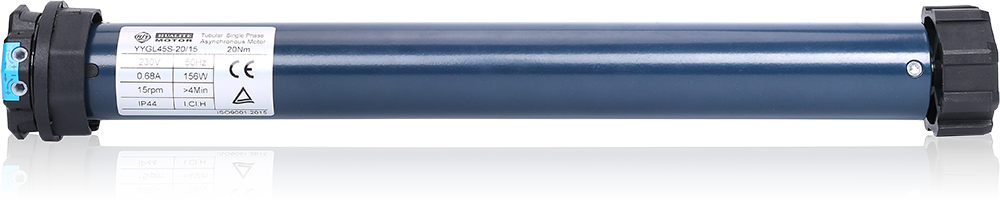
A tubular motor gearbox should be selected together with the required torque and speed. Higher torque is not automatically better. If the gearbox and motor are oversized, the project may carry unnecessary cost, louder running sound or excessive system stress. If undersized, the motor can struggle during start-up, run hotter, trigger protection more often or fail earlier in demanding installations.
Walter reviews application data such as tube diameter, moving weight, guide rail friction, fabric tension, travel height, voltage, control method and daily use frequency. For buyers building a complete RFQ process, the roller shutter motor buying guide explains how torque, tube and application data should be prepared before selection.
Noise Control in Gearbox Design
Noise control begins with gearbox design but does not end there. Gear profile, gear material, lubrication, shaft support, bearing alignment, motor balance, brake behavior, tube fit and bracket installation all influence the final sound. A roller blinds motor gearbox is often judged in quiet interior environments, while a roller shutter motor gearbox must also control vibration under heavier load.
Walter pays attention to running smoothness during motor development and production inspection. For OEM customers, the practical target is not an exaggerated zero-noise claim. The target is controlled, repeatable running sound that matches the application and avoids abnormal gear noise, vibration or harsh start-stop behavior in batch production.
Gear Material and Durability
Gear material selection depends on the motor size, torque range, load profile and noise requirement. Metal gears, engineering plastics and combined structures can each be appropriate when selected correctly. The professional decision is based on strength, wear resistance, noise behavior, dimensional stability, lubrication compatibility and the expected life of the complete motor.
For an OEM tubular motor gearbox program, durability is also a process question. Material inspection, machining or molding consistency, lubrication control, assembly alignment and final testing must work together. The motor should not pass because a sample looks good; it should pass because the production process can repeat the same result.
Gearbox and Manual Override Motors
Manual override motors place additional demands on the drive system because the motor must support both electric operation and crank operation during power failure. The gearbox and manual mechanism must work together without creating excessive backlash, hard cranking, abnormal wear or limit instability. This is especially important for shutters, awnings and commercial systems where emergency operation matters.
Walter does not treat manual override as a simple accessory added after motor selection. The buyer should confirm whether crank operation is required at the beginning of the project. That decision affects motor head design, bracket clearance, gear transmission path, end-user instructions and quality checks.
Walter Motor Gearbox Quality Control
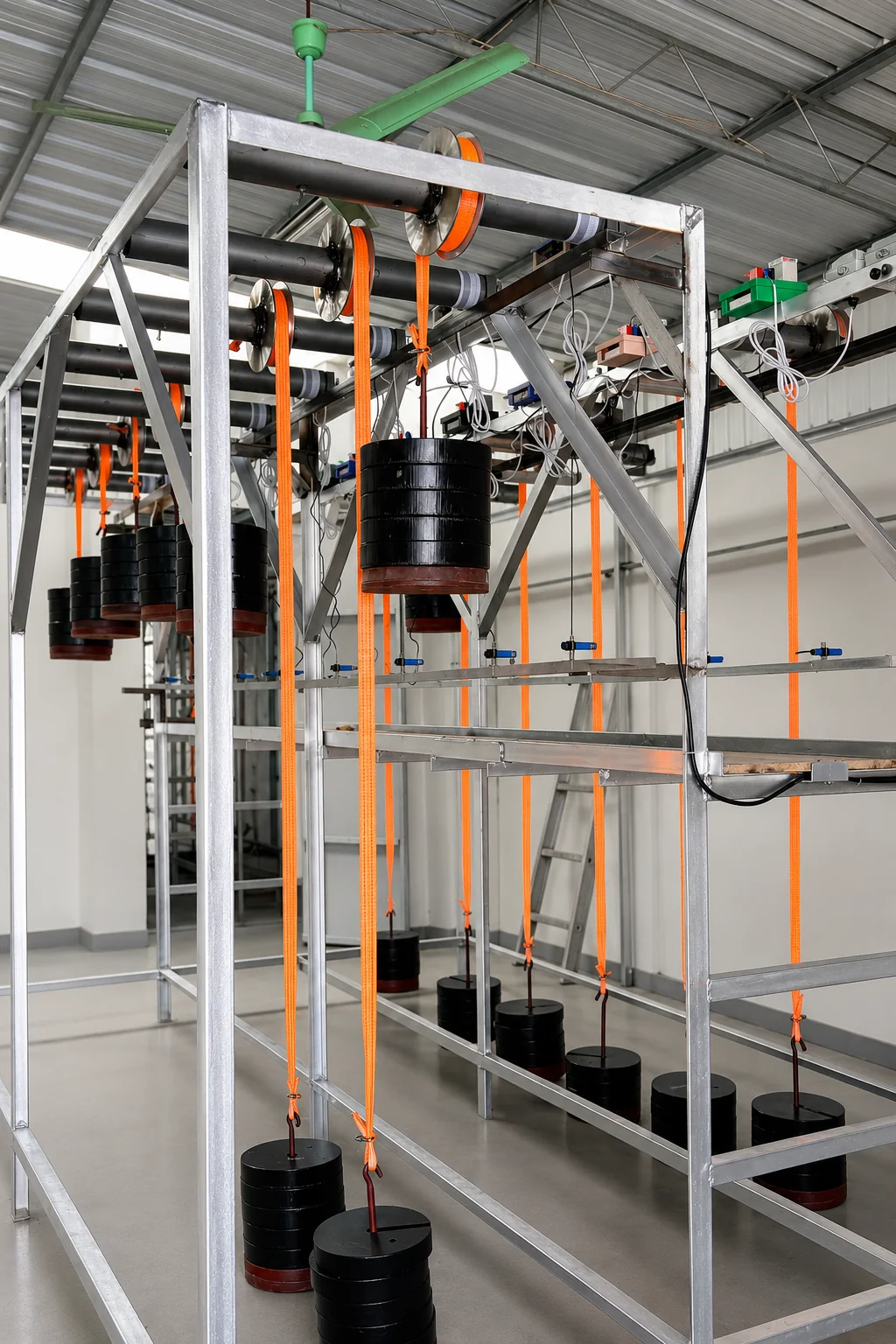
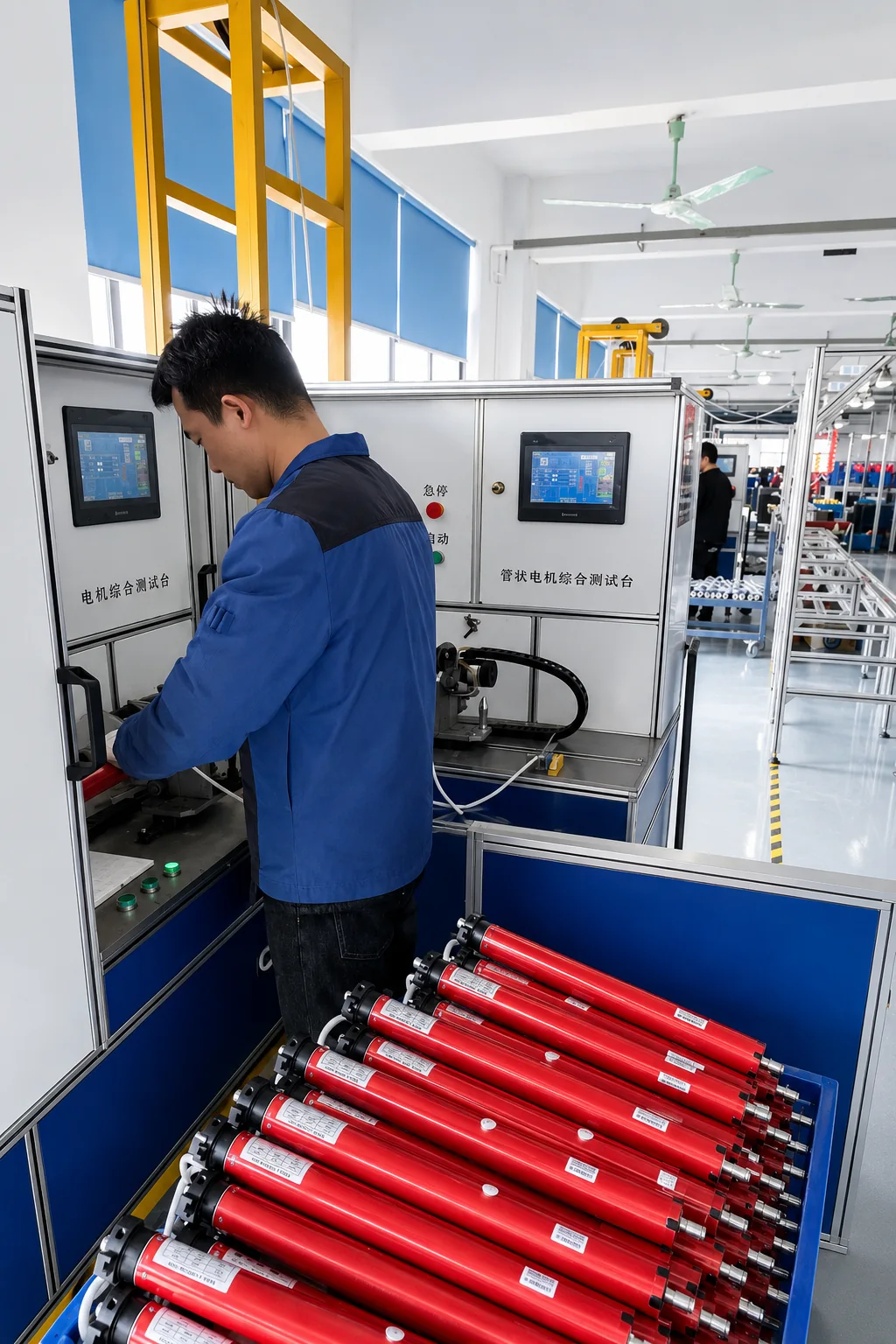
Walter controls gearbox performance through the complete tubular motor production flow, from incoming material inspection to final motor testing. The gearbox must be assembled correctly, lubricated consistently, aligned with the output system and verified as part of the finished motor. Inspection focuses on practical performance: running sound, torque output, speed, limit operation, temperature behavior and final packing condition.
This factory approach is important for roller shutter factories, roller blinds manufacturers, awning suppliers and screen system integrators because their risk is not only part failure. Their risk is inconsistent field behavior after installation. Walter’s quality-control process is designed to support repeatable OEM supply rather than one-time sample approval.
OEM Gearbox and Motor Customization Support
Walter supports OEM motor selection for customers who need a stable motor and reduction system for their own roller shutter, roller blinds, awning or screen product lines. Customization discussions can include motor diameter, torque and speed, voltage, limit system, manual override, cable length, plug, motor head, tube adapters, drive wheel, bracket, label, manual and packaging.
The strongest RFQ is engineering-led. Instead of asking for only an tubular motor manufacturer guide or a price list, send the application data and expected business model. Walter can then recommend the right tubular motor product series, compare alternatives and prepare a sample plan for bulk production approval.
Need gearbox and motor selection support?
Send tube size, load, target torque, speed, voltage, control method, manual override need and annual volume. Walter can review the motor platform and OEM configuration before sampling.
FAQ
What does the gearbox do in a tubular motor?
The gearbox reduces motor speed and converts motor output into usable torque for rotating the tube. In roller shutters, blinds and awnings, it helps the motor lift or move the load smoothly while keeping the motor body compact enough to fit inside the tube.
Does gearbox quality affect motor noise?
Yes. Gear profile, material, lubrication, bearing support, alignment and assembly consistency all influence running noise. A poorly matched gearbox can create vibration, harsh sound or uneven movement even if the electrical motor is acceptable.
Is a higher torque gearbox always better?
No. Torque should match the tube diameter, moving weight, friction, speed target and safety margin. Oversizing can increase cost, stress and noise without improving the installed system.
Can Walter Motor customize gearbox performance?
Walter Motor can discuss motor and gearbox configuration for OEM programs, including torque range, speed, motor diameter, control type, manual override requirement, accessories and quality-control documentation.
Which motors need stronger gearbox design?
High torque 45mm and 59mm motors, heavy roller shutter motors, large awning motors and frequent-use project motors normally need stronger gearbox design and more conservative matching.
Can gearbox problems cause motor failure?
Yes. Gear wear, poor lubrication, shock load, misalignment or undersized components can increase current draw, heat, noise and limit instability. In severe cases they can shorten motor life or cause the motor to stop driving the tube.
Is gearbox testing included in motor quality control?
Gearbox performance is checked as part of the complete tubular motor quality-control process, including assembly control, noise review, torque testing, running test, limit operation and final inspection before packing.

