

How does a tubular motor work?
A tubular motor works by converting electrical energy into rotational motion through an internal motor (AC or DC), which drives a gearbox to reduce speed and increase torque, allowing controlled movement of roller shutters, blinds, and awnings.
🔍 What Is a Tubular Motor?
A tubular motor is a compact electric motor installed inside a tube, commonly used in:
- Roller shutters
- Roller blinds
- Awnings
- Projection screens
Unlike traditional motors, it is designed to fit inside the roller tube, saving space and improving efficiency.
Learn more in our What Is a Tubular Motor page.
⚙️ How Does a Tubular Motor Work (Step-by-Step)
Step 1: Power Supply Activation
When power is supplied (via switch, remote, or smart control), electricity flows into the motor.
- AC motors: 110V / 220V
- DC motors: battery or solar powered
Step 2: Electromagnetic Rotation (Stator & Rotor)
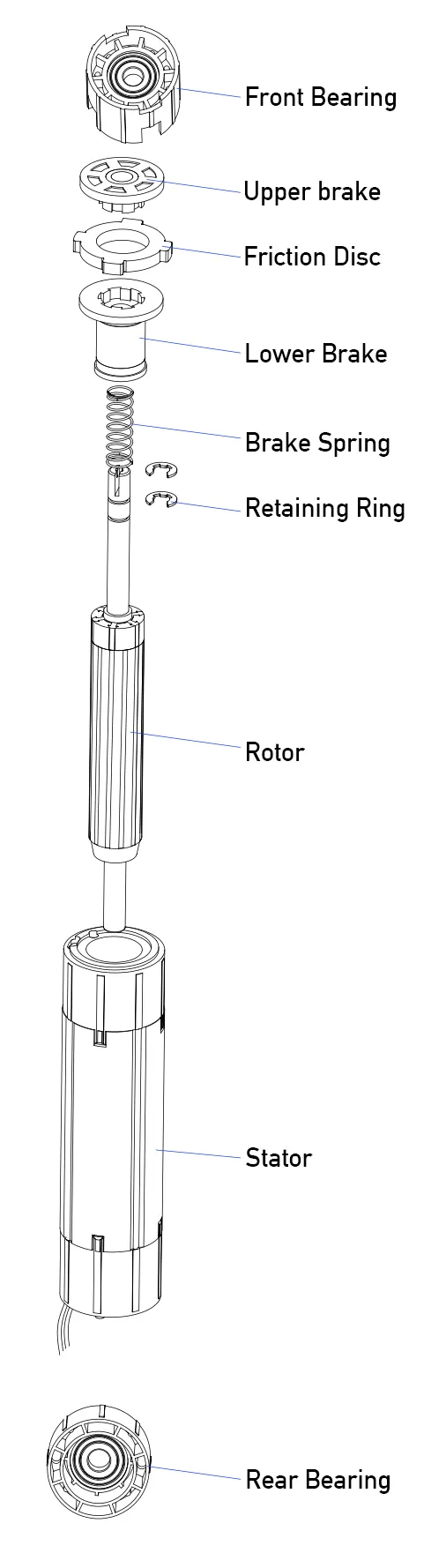


Inside the motor:
- The stator generates a rotating magnetic field
- The rotor follows this magnetic field and begins to spin
Typical speed:
- ~1800–2400 RPM (before gearbox)
Step 3: Gear Reduction System (Critical Component)


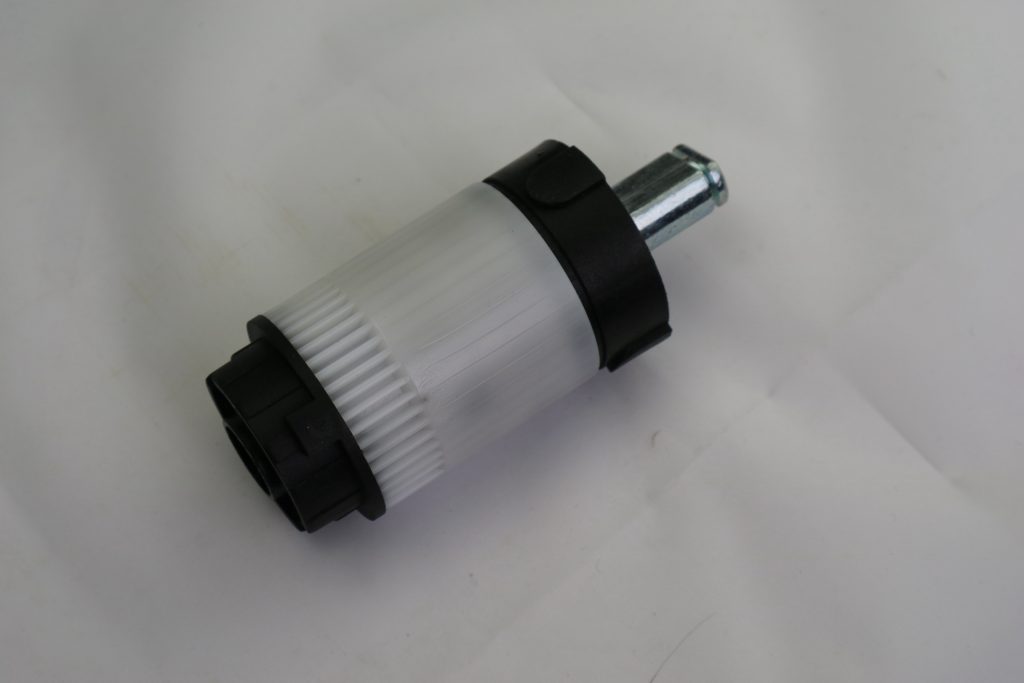
The motor rotates too fast for practical use.
So a gearbox is used to:
- Reduce speed (e.g., 2400 RPM → 15 RPM)
- Increase torque significantly
👉 This is the key reason tubular motors can lift heavy loads.
Step 4: Torque Output to Roller Tube
The output shaft transfers torque to the tube:
- Tube rotates
- Fabric / shutter moves up or down
This is where your engineering advantage matters.
Typical torque ranges:
| Application | Torque |
|---|---|
| Small roller blinds | 0.8–1.5 Nm |
| Medium blinds | 3–10 Nm |
| Outdoor blinds | 10–20 Nm |
| Roller shutters | 20–100 Nm |
Step 5: Limit Switch Stops the Motor

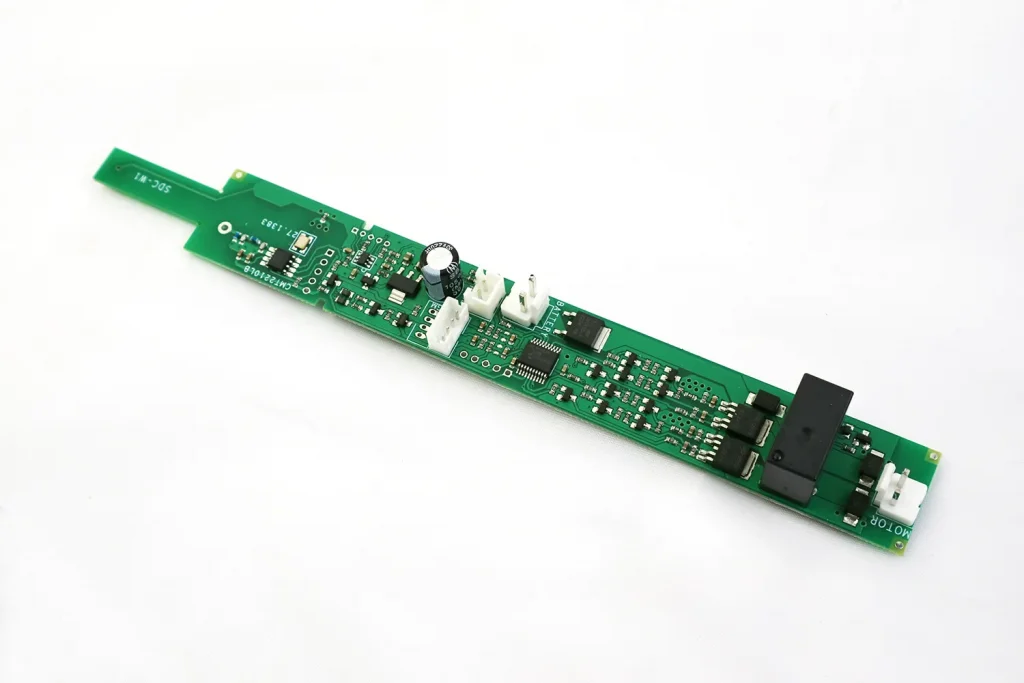
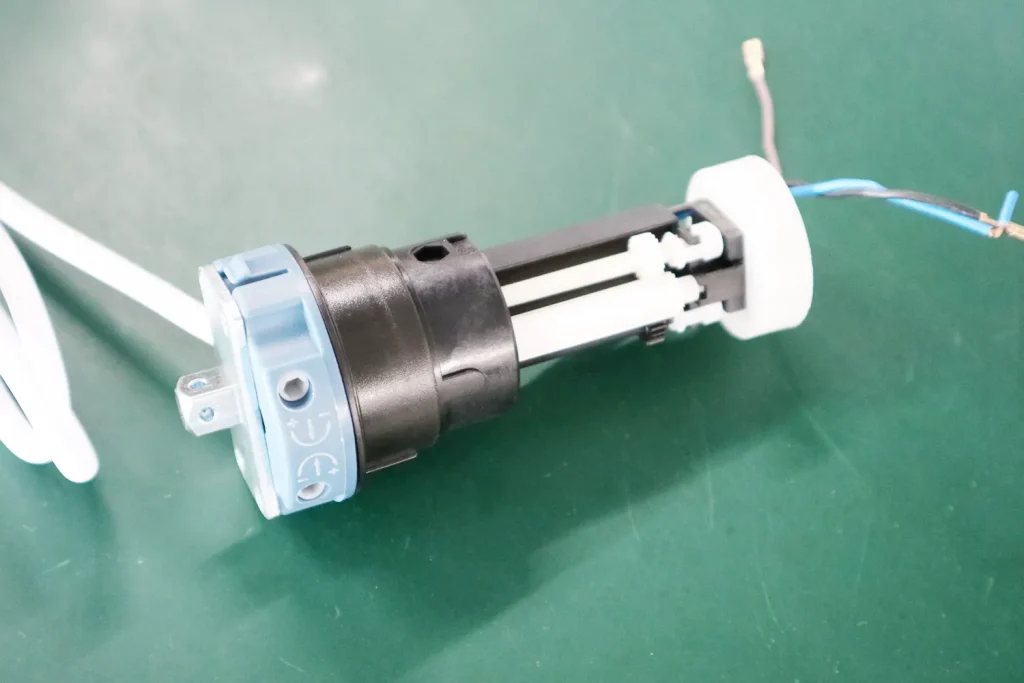
The motor stops automatically when reaching preset positions.
Two types:
- Mechanical limit switch
- Electronic limit switch
👉 This ensures precise positioning and prevents damage.
Why Not Use a Normal Motor?
| Feature | Tubular Motor | Standard Motor |
| Installation | Inside tube | External |
| Noise | Low | Higher |
| Torque control | High precision | Limited |
| Application | Roller Blinds / Roller shutters | General use |
🔩 Internal Structure
A tubular motor typically includes:
- Motor (stator + rotor)
- Gearbox
- Brake system
- Limit switch
- Output shaft
👉 Related tubular-motor-structure-components
⚡ Engineering Principle Behind Tubular Motors
To truly understand how it works, you need to know:
1. Energy Conversion
Electrical → Magnetic → Mechanical energy
2. Speed vs Torque Trade-off
- High speed motor
- Low speed output
- High torque output
3. Gear Ratio Importance
Example:
- Motor speed: 2100 RPM
- Output: 15 RPM
- Torque increases proportionally
👉 This is why tubular motors can lift heavy shutters quietly.
🔋 AC vs DC Motor Working Differences
| Feature | AC Motor | DC Motor |
| Power source | Mains | Battery / Solar |
| Control | Switch / Remote | Remote / Smart App |
| Limit switch system | Mechanical / Electronic | Electronic |
| Application | Heavy duty | Smart blinds |
🏠 Real-World Applications
Tubular motors are widely used in:
- Smart homes
- Commercial buildings
- Industrial roller shutters
- Outdoor shading systems
👉 See applications: tubular-motor-applications
🧠 Why Tubular Motors Are So Efficient
Key reasons:
- Compact design
- High torque output
- Low noise operation
- Long lifespan
- Easy installation
🔧 Common Problems & How It Works Around Them
Problem: Motor does not stop
👉 Cause: limit switch misadjusted
Problem: Not enough power
👉 Cause: torque too low
👉 Solution: use correct selection on Tubular Motor Selection Chart.
What Happens When You Press the Remote?
- Signal is sent to receiver
- Motor activates
- Tube rotates
- Fabric rolls up/down
- Motor stops at preset limit
What Happens If You Choose the Wrong Motor?
- Motor overload
- Reduced lifespan
- Incomplete lifting
Does Installation Affect How It Works?
Yes. Incorrect installation can:
- Reduce efficiency
- Cause noise
- Damage gearbox
❓ FAQ
1. How does a tubular motor start?
It starts when electrical current energizes the stator, creating a magnetic field that rotates the rotor.
2. Why is a gearbox necessary?
Because the motor spins too fast. The gearbox reduces speed and increases torque.
3. What controls the stopping point?
A limit switch (mechanical or electronic) defines the stopping positions.
4. Are tubular motors powerful?
Yes, depending on size, they can produce up to 100Nm or more.
5. How long does a tubular motor last?
Typically 5–10 years or more, depending on usage and quality.
🔗 Recommended Guides
👉 Core cluster links:
- Tubular Motor manufacturer Guide
- What Is a Tubular Motor?
- Tubular Motor Structure Components
- Tubular Motor Selection Chart
- Tubular Motor Products
🏁 Conclusion
A tubular motor is a highly efficient and compact system that transforms electrical energy into controlled mechanical motion through a combination of electromagnetic rotation, gear reduction, and precise limit control.
Understanding how does a tubular motor work helps you:
- Choose the right motor
- Improve system performance
- Avoid installation issues