
Sustainability at Walter Motor
Sustainable Tubular Motor Manufacturing for Long-Life Shading Systems
Walter Motor’s sustainability approach is based on durable motor design, efficient production, strict quality control, responsible material use, controlled surface treatment and packaging, and smart shading solutions for global OEM and project customers.
Long-Life Motor Design
Durable motor selection and design help reduce premature replacement.
Quality Control That Reduces Waste
Fewer defects mean less waste in materials, labor, packaging, shipping, installation, and service.
Efficient Manufacturing Process
Controlled production reduces scrap, rework, and unstable batches.
Smart Shading for Better Building Comfort
Motorized shading can support sunlight, privacy, and comfort management.
What Sustainability Means at Walter Motor
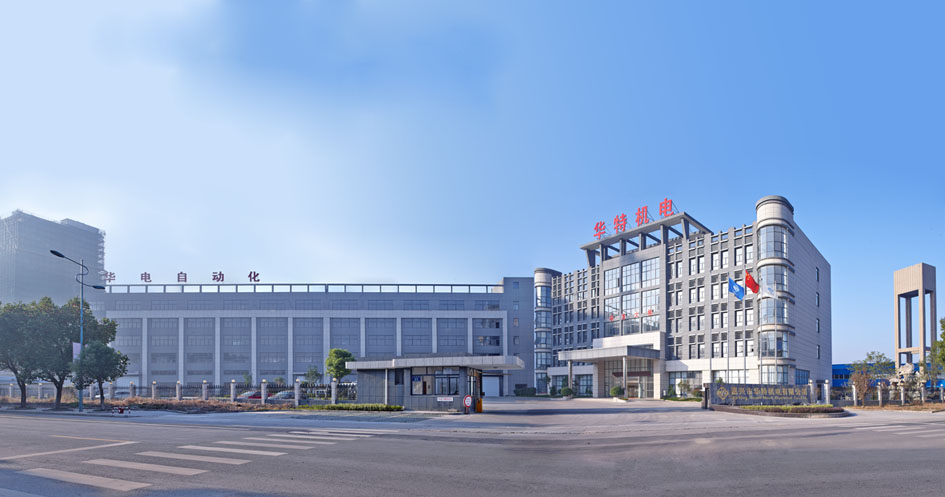
For Walter Motor, sustainability is practical manufacturing discipline. A motor that runs reliably for years, is selected correctly, passes strict testing, and avoids unnecessary replacement creates less waste across the whole product life cycle.
Walter Motor connects sustainability with real manufacturing results: reliable motors, stable production, reduced rework, smarter shading applications, and long-term customer support.
Durable Products
A reliable motor that runs for years creates less replacement waste across the product life cycle.
Stable Quality
Incoming checks, process control, testing, and traceability reduce avoidable defects.
Efficient Production
Repeatable process control helps lower rework, scrap, and batch variation.
Responsible Support
Correct selection, clear documents, and after-sales analysis reduce project mistakes.
Designing Motors for Longer Service Life
Durability is one of the most practical sustainability actions in motor manufacturing. Proper torque selection, correct application matching, thermal protection, stable brake and gearbox performance, controlled noise and vibration, and correct tube, bracket and control compatibility all help reduce avoidable failure.
Walter Motor supports motor choices for roller shutters, roller blinds, awnings, zip screens, curtains, venetian blinds, projection screens, automotive sunshades and customized shading projects. Selection should consider load, tube size, duty cycle, installation environment, control method and expected service life.
Quality Control That Reduces Waste
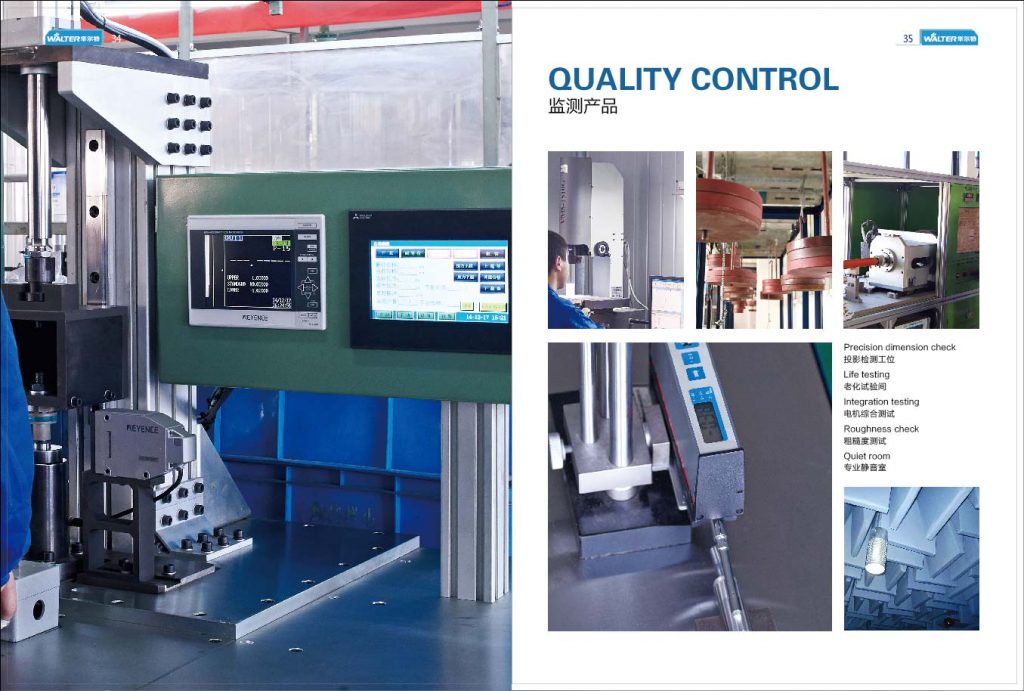
Defects create waste in materials, labor, packaging, shipping, installation, replacement parts and after-sales service. Quality control is therefore a core sustainability action, not only a shipment checkpoint.
Incoming material inspection
Steel tubes, laminations, winding materials, aluminum parts, engineering plastics, electronic parts, cables, labels, and packaging are checked where applicable.
In-process inspection
Stamping, winding, machining, gearbox, brake, limit, and assembly steps are monitored for consistency.
Electrical safety testing
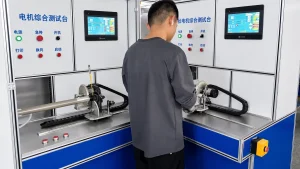
Insulation, Hi-Pot, current, power, grounding, and related checks are applied according to product type and order requirements.
Torque and load testing
Torque output, load behavior, braking, limit operation, and travel stability are reviewed where applicable.
Aging / durability validation
Running and aging checks help identify abnormal noise, temperature, electronic control, or load-related risks.
Final inspection and packaging check
Appearance, labels, accessories, manual, carton marks, quantity, and customer-specific requirements are checked before shipment.
Traceability and warranty analysis
Batch information, labels, order records, photos, videos, and returned samples support root-cause review when needed.
Efficient Production and Process Improvement
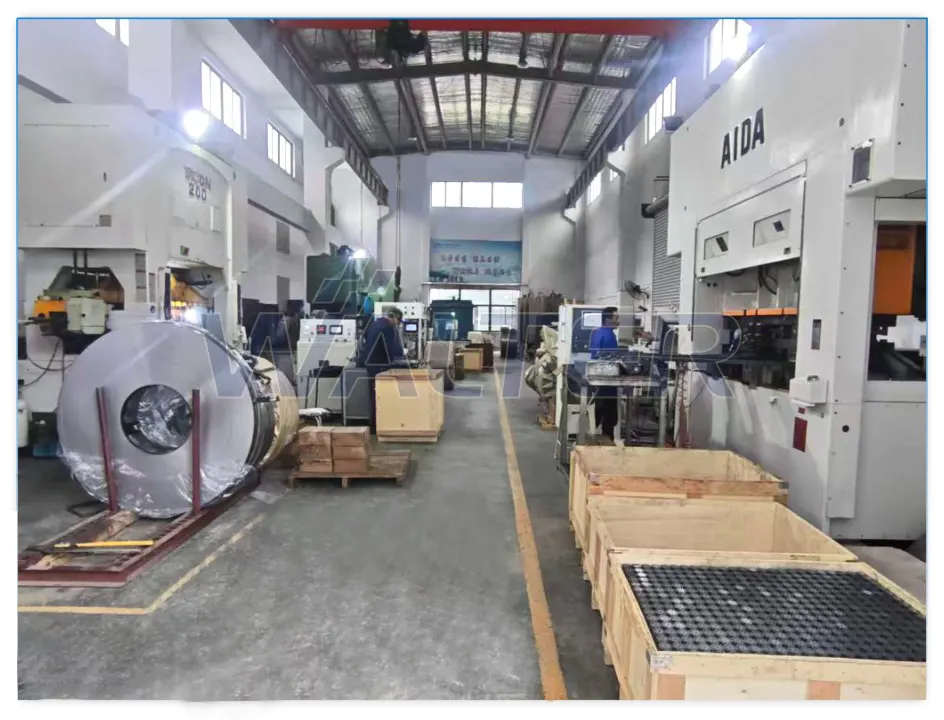
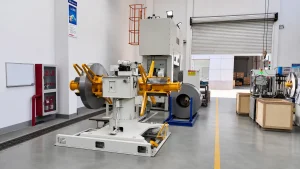
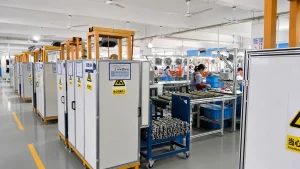
Sustainable manufacturing depends on stable, repeatable process control. Walter’s existing production pages show practical capability areas such as high-speed stamping, stator and rotor lamination production, stator blueing treatment, rotor die-casting and CNC machining, winding and electrical testing, gearbox and final assembly, aging and load testing, and standardized packaging.
Process control helps reduce scrap, rework, unstable batches, shipment defects and unnecessary replacement. For OEM and ODM projects, clear requirements, confirmed samples and controlled mass production reduce trial-and-error waste.
High-speed stamping
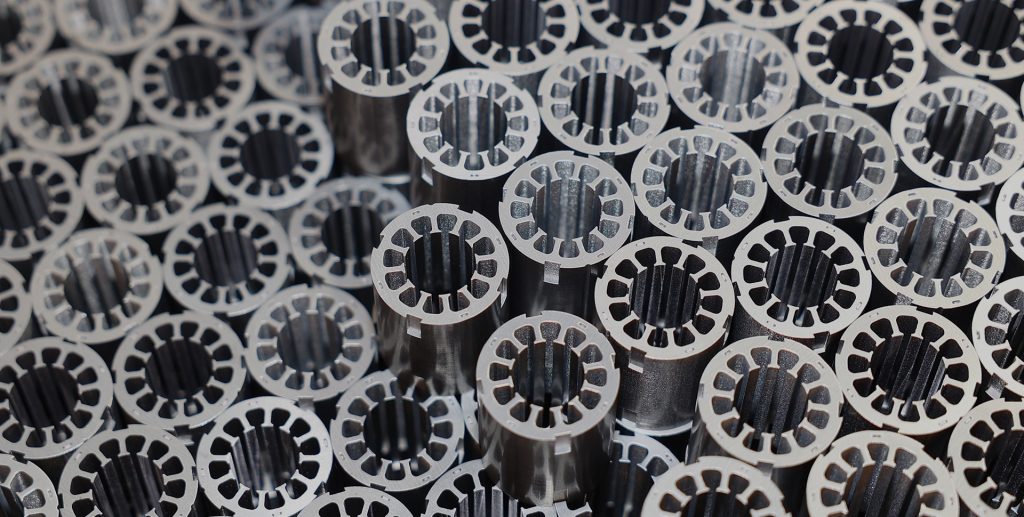
Stator and rotor laminations are produced with repeatable geometry.
Stator and rotor lamination
Core consistency supports stable electromagnetic behavior and temperature control.
Stator blueing treatment
Blueing treatment supports the stator process before winding and assembly.
Rotor die-casting and CNC machining
Rotor casting, shaft fitting, and machining support rotation stability.
Winding and electrical testing
Winding, insulation, thermal protection, and electrical checks reduce hidden defects.
Gearbox and final assembly
Brake, gearbox, limit system, tube, cable, and electrical parts are integrated.
Aging and load testing
Running, load, travel-limit, brake, noise, and safety checks reduce shipment risk.
Standardized packaging
Packaging checks reduce avoidable shipping damage and customer disputes.
Responsible Material Use
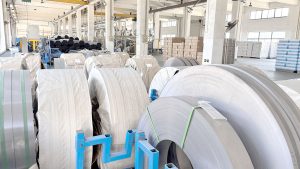
Motor manufacturing involves steel, copper, CCA where applicable, aluminum, engineering plastics, electronic components, cables, connectors, packaging and surface treatment materials. The responsible approach is to match material choice with application, duty cycle, torque, market requirement and reliability expectation.
| Material Area | Sustainability Focus | Customer Value |
|---|---|---|
| Steel tubes and motor structure | Dimensional control, surface protection, and application-matched mechanical strength. | Better installation fit, lower noise risk, and reduced replacement risk. |
| Copper / CCA / winding materials | Material choice must match the motor type, duty cycle, torque, market requirement, and reliability expectation. | Balanced performance and cost review without treating one material as always equivalent or always better. |
| Aluminum rotor and machined components | Controlled casting, shaft fitting, machining, and inspection. | Stable rotation, torque transmission, heat behavior, and braking support. |
| Engineering plastics | Application-based selection for strength, insulation, heat resistance, and dimensional stability. | More reliable fit for crowns, drive wheels, limit parts, and accessory components. |
| Electronic components | Receivers, smart controls, capacitors, switches, and PCBA are selected according to confirmed product requirements. | Stable control response and reduced after-sales risk for smart shading systems. |
| Cables and connectors | Cable core, plug, length, certification need, and market requirement are confirmed during order review. | Fewer installation mistakes and better market-fit documentation. |
| Packaging materials | Protection is balanced with practical material use, labeling, and carton-mark accuracy. | Lower shipping damage, fewer missing accessories, and less avoidable packaging waste. |
Surface Treatment, Protection, and Product Life
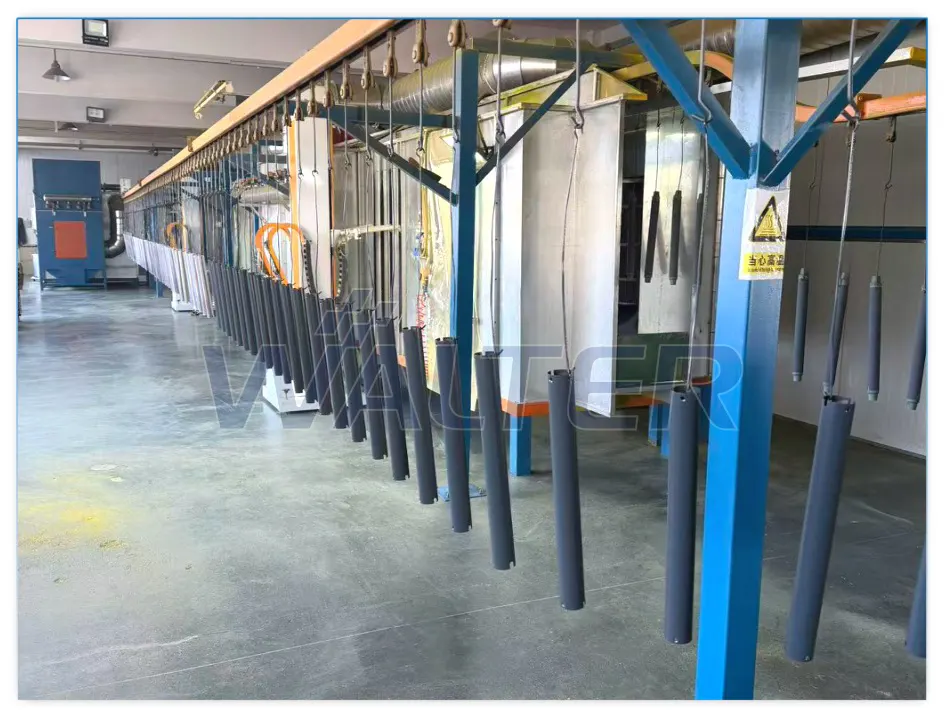
Surface treatment and powder coating are useful where the product or component requires corrosion resistance, stable appearance and outdoor application protection. This is especially relevant for awnings, zip screens, roller shutters and exterior sunshade systems.
By improving surface protection and finish consistency where required, Walter Motor helps reduce early replacement risk in outdoor shading applications.
Smart Shading and Energy Management
Motorized shading can help buildings manage sunlight, privacy, indoor comfort and automation. When combined with timers, sensors, RF, WiFi, Zigbee, Bluetooth or other control systems, shading systems can support more efficient building operation.
The exact result depends on building design, window orientation, climate, fabric, user behavior and control logic. Because results vary by project, Walter Motor focuses on reliable motor and control selection instead of giving generic energy-saving percentages.
Responsible OEM/ODM Cooperation
Wrong selection and unclear requirements create waste. Responsible OEM and ODM cooperation starts with application data, sample confirmation, testing, production control, packaging confirmation and after-sales analysis.
Requirement Review
Confirm application, load, torque, tube size, voltage, limit type, control method, market, label, and packaging needs.
Sample Confirmation
Review function, accessories, packaging, documentation, and test requirements before mass production.
Testing and Adjustment
Check motor performance, control response, installation fit, and project-specific concerns.
Mass Production Control
Use process control, inspection records, labels, and batch management for repeatability.
Packaging and Delivery
Confirm carton marks, manuals, accessories, quantity, and shipment protection.
After-Sales Analysis
Use feedback, records, photos, videos, and returned samples where necessary for continuous improvement.
Continuous Improvement Roadmap
Walter Motor’s sustainability work should stay honest, practical and connected with manufacturing improvement. The roadmap below avoids unsupported environmental promises and focuses on actions that buyers can connect to product reliability and project outcomes.
- Improve long-life motor design for different shading applications.
- Reduce defects, rework, and avoidable replacement through stronger quality control.
- Improve supplier communication and material traceability.
- Optimize packaging protection while avoiding unnecessary packaging.
- Improve product documentation for OEM, distributor, and project customers.
- Support smart shading and efficient building-control discussions.
- Upgrade production and testing equipment step by step.
Related Company Pages
About Walter
Company background, legal identity, and manufacturer context.
Factory
Factory capability and manufacturing environment.
Production Process
Production flow, process control, and traceability.
Quality Control
Inspection, testing, aging, and shipment-release control.
Certificates
Review available compliance certificates and supporting documents.
Patents & Innovation
Practical product improvement and patent evidence.
Contact
Send RFQ, project data, and sustainability-related requirements.
FAQ About Sustainability at Walter Motor
What does sustainability mean for Walter Motor?
For Walter Motor, sustainability means practical manufacturing discipline: long-life motor design, stable quality, efficient production, responsible material use, packaging improvement, correct product selection, and continuous improvement.
How does long motor service life support sustainability?
A motor that is selected correctly, tested carefully, and runs reliably for years can reduce premature replacement, service calls, shipping waste, packaging waste, and project disruption.
How does quality control reduce waste?
Quality control reduces defects before shipment. This avoids waste in materials, labor, packaging, shipping, installation, replacement, and after-sales handling.
Can smart shading systems help with building energy management?
Motorized shading can help buildings manage sunlight, privacy, indoor comfort, and automation. When combined with timers, sensors, RF, WiFi, Zigbee, Bluetooth, or other controls, shading systems can support more efficient building operation.
Do you support OEM customers with sustainability-related requirements?
Yes. Walter Motor can review material, packaging, documentation, testing, sample, and product-selection requirements during OEM or ODM cooperation. Feasibility depends on the confirmed motor type, application, market, and order requirement.
Is this page only about tubular motors?
No. The main topic is sustainable tubular motor manufacturing, but the same responsible manufacturing thinking also supports roller shutter motors, roller blind motors, awning motors, zip screen motors, curtain motors, venetian blind motors, projection screen motors, automotive sunshade motors, controls, and accessories.
Send your application, torque range, tube size, control method, market requirements, packaging needs and order plan. Walter Motor will review the project in practical manufacturing terms before samples or mass production.

