

Venetian Blinds Application
Venetian blind automation is different from simple rolling systems because the system often requires both lift and tilt precision. Walter should recommend a suitable motor only after reviewing headrail, slat size, lift load and control requirements.

Quick Decision
Application Fit at a Glance
Best for
Indoor and outdoor Venetian blinds requiring controlled lifting and slat tilt.
Not recommended for
Assuming a standard roller tube motor fits all Venetian blind systems.
Recommended motor diameter
Application-specific; depends on headrail and tilt/lift mechanism.
Typical torque range
Confirmed after lift load, slat width and headrail review.
Recommended models
Walter will recommend a suitable motor after system data review.
Key data required
Headrail type, slat width, blind size, lift load, tilt requirement and control method.
Application Overview
Venetian Blinds Require Tilt and Lift Precision
Unlike roller blinds, Venetian blinds may need synchronized lifting and accurate slat angle control. Standard roller tube motor logic should not be forced where the headrail requires a dedicated Venetian blind drive.
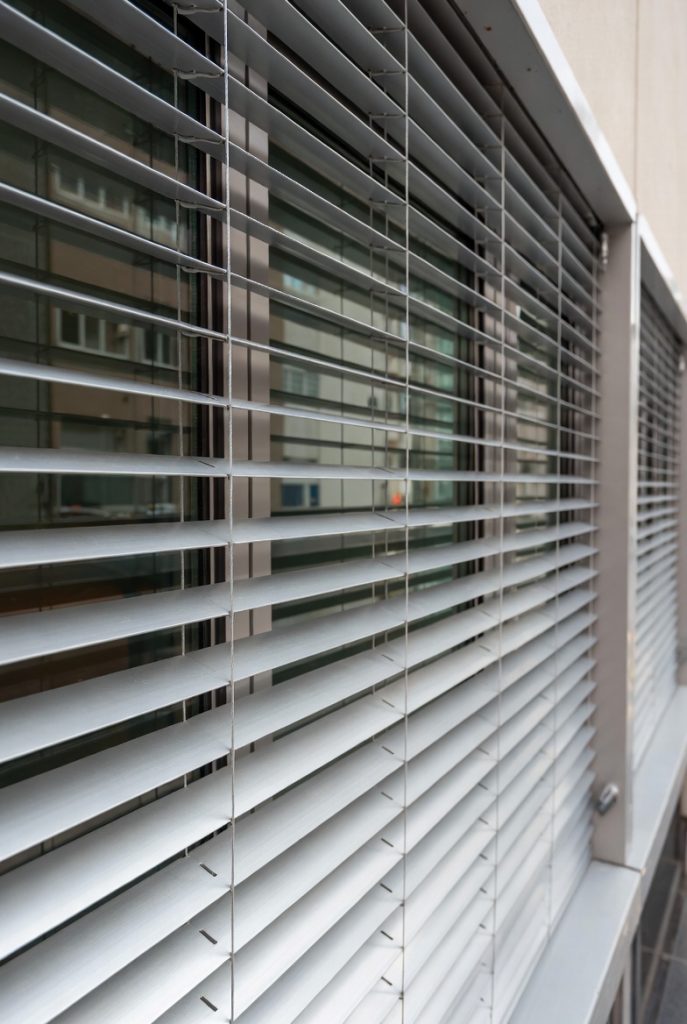
- Indoor Venetian blinds often prioritize quiet operation and precise tilt.
- Outdoor Venetian blinds require attention to slat weight, weather exposure and control stability.
- Headrail design determines whether a standard motor concept is suitable.
- Walter should review project data before naming a model.
Selection Logic
Motor Selection Logic
The correct recommendation depends on blind mechanics, not only blind size.
Tilt control
Confirm angle control requirement and acceptable tolerance.
Lift control
Confirm full blind weight and travel height.
Headrail compatibility
The headrail design determines motor suitability.
Slat width and weight
Wider or heavier slats change torque and control needs.
Indoor vs outdoor
Outdoor systems require stronger attention to exposure and service access.
Quiet operation
Noise depends on motor, headrail, brackets and installation.
Control precision
Project controllers may require specific control logic.
Model confirmation
Use confirmed Walter Venetian blind motor data before publishing model-specific claims.
Model Confirmation Required
Walter Will Confirm the Suitable Motor After System Review
Venetian blind automation depends on headrail, shaft or tilt mechanism, slat width, lift load and control requirement. Walter should confirm the suitable motor after reviewing the actual blind system.
- Headrail type and internal drive structure must be reviewed first.
- Shaft or tilt mechanism determines whether a standard roller motor concept is suitable.
- Slat width, lift load and control precision must be confirmed before naming a model.
- Tube diameter is optional information only when the system uses a roller-tube style drive.
Engineering Notes
Application Notes and Warnings
- Do not claim a standard tubular motor fits all Venetian blinds.
- Do not force YYGL model recommendations without confirmed headrail compatibility.
- The suitable motor must be confirmed by headrail, slat size, lift load and control requirement.
- Smart integration should be confirmed by the exact control configuration.
Accessories
Accessories and Compatibility
Motor performance depends on the complete drive system, not only the motor.
Headrail adapter
Must match the Venetian blind mechanism.
Tilt mechanism
Confirm shaft, gear and slat control requirements.
Remote / controller
Select according to project control logic.
Cable / connector
Confirm routing and service access.
Quality Process
Quality and Testing Support
Walter supports incoming inspection, electrical safety test, torque test, noise check, limit setting check, aging test and final inspection according to product and order requirements.
OEM & ODM
OEM Support for Venetian Blind Automation
Walter can review Venetian blind projects by headrail structure, slat width, lift load, control method, installation market, sample needs and OEM packaging requirements before recommending a suitable motor solution.
Send RFQ DetailsRFQ Checklist
What to Send Walter Motor
- Headrail type and internal drive structure
- Shaft or tilt mechanism
- Slat width and slat material
- Blind width and height
- Lift load or total blind weight
- Tilt precision requirement
- Control method and controller requirement
- Installation market
- Quantity
- Certification requirement
- Tube diameter, only if the system uses a roller-tube style drive
- Private label or packaging requirement
Related Links
Related Guides and Products
FAQ
Common Questions
Can a standard roller motor be used for Venetian blinds?
Not always. Venetian blinds often require both lift and tilt control, and the headrail mechanism determines motor suitability.
What information is required?
Provide headrail type, slat width, blind width and height, lift load, tilt requirement and control method.
Can Walter recommend a motor?
Yes. Walter can recommend after reviewing headrail, slat size, load and control requirement.
Are outdoor Venetian blinds different?
Yes. Outdoor systems require attention to slat weight, exposure, brackets, cable routing and service access.
Can smart control be supported?
It depends on the selected motor and controller configuration and should be confirmed before quotation.
Can OEM projects be supported?
Yes. Walter can discuss sample confirmation, control configuration, packaging and documentation where available.
Need a Venetian Blind Motor Recommendation?
Send headrail, slat size, blind dimensions, lift load and control requirement so Walter can review the suitable drive approach.